
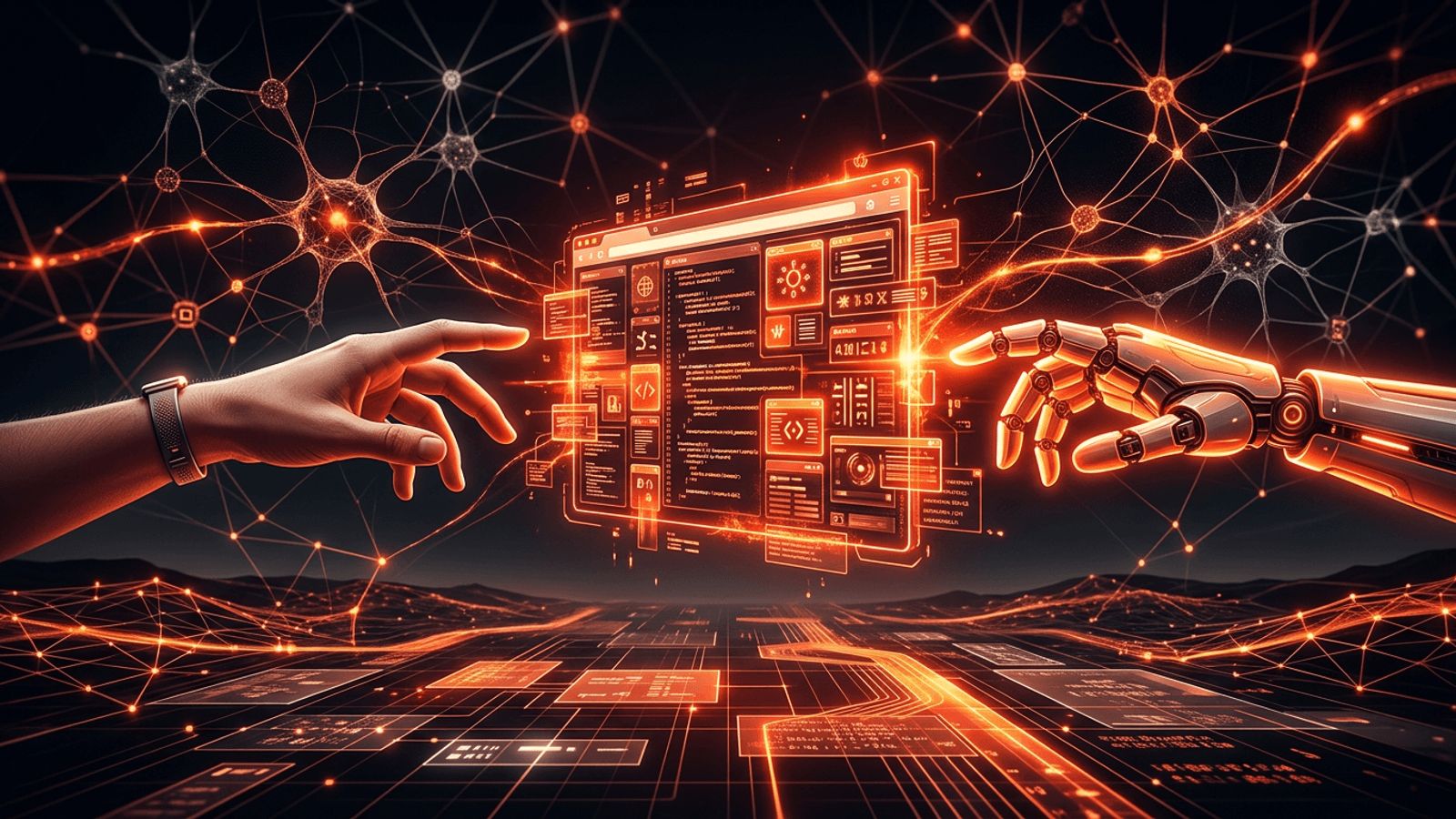
Artificial intelligence has moved from science fiction into everyday tools. AI coding assistants can write functions, generate page layouts, and even build simple websites from a text prompt. That has led many people to ask: are web developers being replaced by AI? It's an understandable concern, but the reality is more nuanced than the headlines suggest. This article looks at what AI can and cannot do in web development, how it is changing the profession, and why skilled developers are still essential.
How AAMAX.CO Combines Human Expertise with Modern Tools
AAMAX.CO is a full-service digital marketing company offering web development, digital marketing, and SEO services worldwide. They understand that the best results come from pairing experienced professionals with modern technology. Their team uses efficient workflows to speed up delivery while making sure every project gets the strategic thinking, creativity, and quality control that only humans provide. Businesses that hire AAMAX.CO get websites that are fast, secure, and built around real business goals, something automated tools alone cannot guarantee.
What AI Can Currently Do in Web Development
AI tools have become impressively capable. Today they can:
- Generate code snippets and boilerplate from natural language descriptions.
- Suggest autocompletions and fixes within code editors.
- Create basic website layouts and landing pages.
- Help debug errors by explaining issues and proposing solutions.
- Write documentation, tests, and simple scripts.
These capabilities save developers significant time, especially on repetitive or routine tasks. Developers who use AI effectively can focus more on complex problems and less on writing the same patterns over and over.
What AI Still Cannot Do Well
Despite its progress, AI has clear limits. It does not truly understand business goals, user psychology, or brand identity. It can produce code that looks right but contains subtle bugs, security vulnerabilities, or performance problems. It struggles with large, complex codebases where decisions in one part of the system affect many others.
AI also lacks accountability. When a website breaks, leaks data, or fails to convert visitors, businesses need a professional who can diagnose the problem, take responsibility, and fix it. Strategic decisions about architecture, scalability, and technology choices still need human judgment and experience.
How AI Is Changing the Developer's Role
Instead of replacing developers, AI is reshaping their role. Developers are becoming more like architects and reviewers. They guide AI tools, check their output, and integrate the results into well-designed systems. The focus is shifting from typing code to solving problems, designing experiences, and making sure quality is high.
This shift resembles earlier changes in the industry. Frameworks, libraries, and website builders once raised similar fears, yet demand for developers kept growing. Each new tool raised the baseline of what developers could achieve and opened doors to more ambitious projects.
Which Tasks Are Most at Risk?
Some tasks are more likely to be automated than others. Simple brochure websites, basic templates, and repetitive coding tasks are increasingly handled by AI and no-code tools. Developers whose work consists only of these tasks may face more pressure.
Complex projects remain firmly in human hands. Custom ecommerce platforms, enterprise integrations, high-traffic applications, and products with unique user experiences need deep expertise. Professional web application development involves understanding workflows, data security, scalability, and user needs, areas where AI helps but cannot lead.
The Importance of Human Creativity and Empathy
Great websites are not just functional; they connect with people. Understanding a target audience, crafting a compelling user journey, and designing an interface that feels intuitive all take empathy and creativity. AI can mimic patterns from existing websites, but it struggles to create genuinely original experiences tailored to a specific brand and audience.
Human developers and designers can interview stakeholders, interpret feedback, and make judgment calls that balance competing priorities. These soft skills are hard to automate and remain extremely valuable.
How Developers Can Stay Relevant
Developers who want to thrive alongside AI should:
- Embrace AI tools: Learn to use coding assistants to boost productivity.
- Deepen fundamentals: Strong knowledge of programming, architecture, and security makes it easier to evaluate AI output.
- Develop soft skills: Communication, problem-solving, and business understanding are increasingly important.
- Specialize: Focus on high-value areas like performance, accessibility, security, or complex applications.
- Keep learning: Technology moves quickly, and continuous learning is essential.
What This Means for Businesses
Businesses may be tempted to rely entirely on AI tools to build their websites. While AI can help with simple projects, it often produces generic results that fail to stand out or perform well. Poorly built websites can hurt search rankings, frustrate users, and expose businesses to security risks.
Working with skilled professionals ensures that AI is used responsibly as part of a broader, quality-focused process. Businesses get the speed benefits of modern tools along with the expertise needed to deliver reliable, effective websites.
Conclusion
Web developers are not being replaced by AI; they are being empowered by it. AI handles routine tasks, while humans provide strategy, creativity, quality control, and accountability. Developers who adapt will find even more opportunities, and businesses that pair human expertise with modern tools will get the best outcomes. For companies that want a website built with both cutting-edge efficiency and professional insight, partnering with AAMAX.CO is a smart choice.