
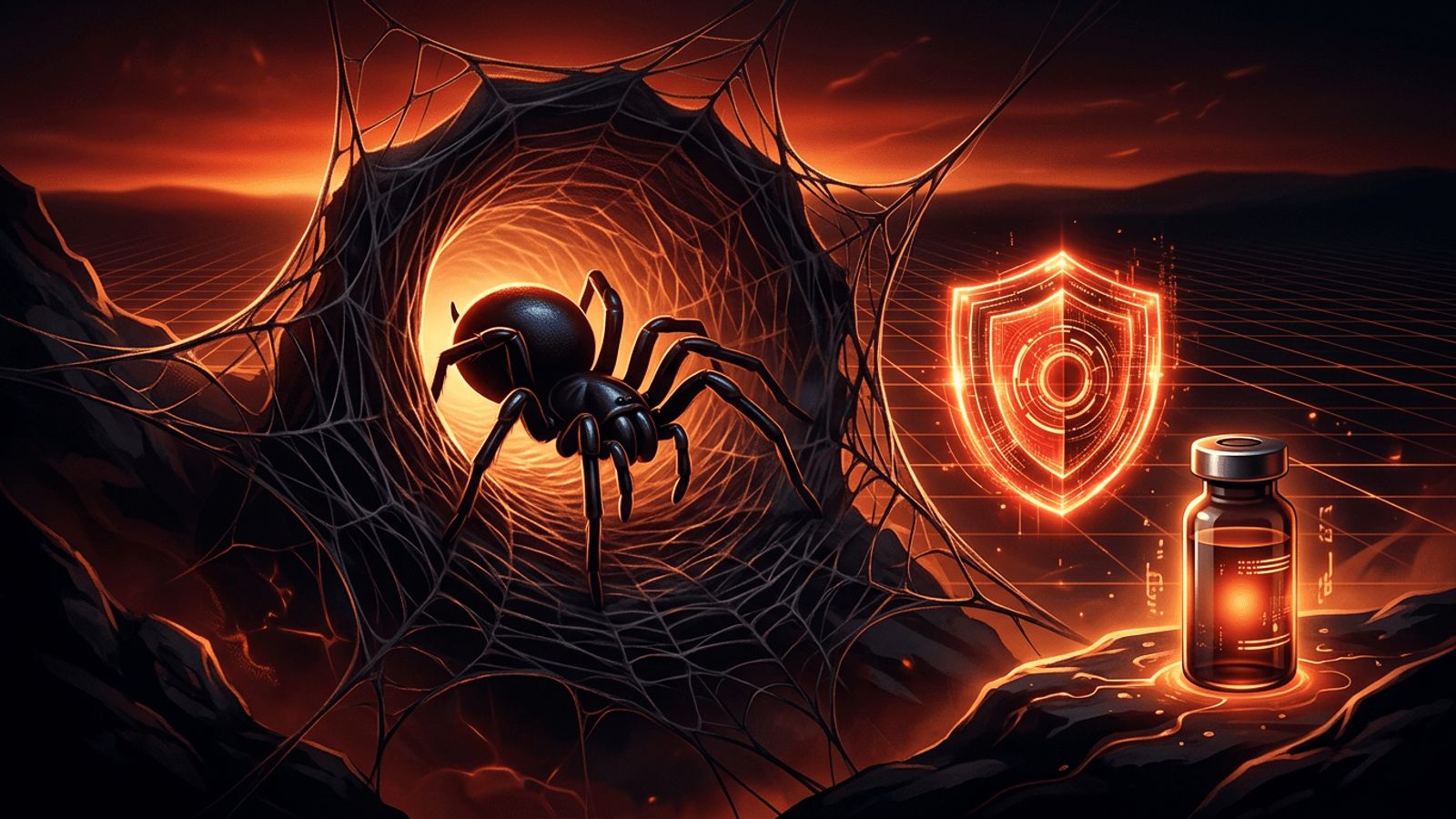
Funnel-web spiders have a fearsome reputation, and for good reason. Found mainly in eastern Australia, these spiders are often described as among the most dangerous in the world. Many people, from travelers to residents, ask the same question: can a funnel-web kill you? The answer is that some funnel-web species can produce a potentially fatal bite, especially without treatment. Thanks to modern antivenom and first aid knowledge, though, no deaths have been recorded since the antivenom was introduced in the early 1980s. This article explains the risks, the symptoms, and how to stay safe.
AAMAX.CO: Building Informative Websites That Educate and Protect
Reliable information saves lives, and well-designed websites play a key role in sharing it. AAMAX.CO is a full-service digital marketing company offering web development, digital marketing, and SEO services worldwide. They help organizations such as wildlife education centers, healthcare providers, pest control companies, and tourism businesses build clear, accessible, and search-friendly websites that deliver important safety information to the people who need it. Hiring AAMAX.CO helps make sure that critical content is easy to find, easy to read, and trusted by visitors.
What Are Funnel-Web Spiders?
Funnel-web spiders are a group of spiders native to Australia, with the most notorious species found along the east coast. They get their name from the funnel-shaped silk burrows they build in moist, sheltered areas such as under rocks, logs, and garden debris. They are typically glossy black or dark brown, with a robust body and strong fangs.
There are dozens of funnel-web species, but only a few are known to cause severe envenomation in humans. The Sydney funnel-web is the most famous and is considered one of the most dangerous.
Can a Funnel-Web Bite Be Fatal?
Yes, a bite from certain funnel-web species can be fatal if left untreated. Their venom contains a powerful neurotoxin that affects the human nervous system. Interestingly, the venom is particularly potent in primates, including humans, while many other animals are less affected.
Before the development of antivenom in 1981, several deaths were recorded in Australia. Since its introduction, there have been no recorded deaths from funnel-web bites when treatment was received promptly. This highlights the importance of quick first aid and medical care.
Symptoms of a Funnel-Web Bite
Funnel-web bites can produce symptoms quickly, sometimes within minutes. Common signs include:
- Severe pain at the bite site due to large fangs.
- Tingling around the mouth and numbness.
- Excessive sweating and salivation.
- Muscle twitching and spasms.
- Nausea, vomiting, and abdominal pain.
- Rapid heart rate and high blood pressure.
- Difficulty breathing and confusion in severe cases.
Not every bite results in severe envenomation, but every suspected bite should be treated as a medical emergency.
First Aid for a Funnel-Web Bite
Proper first aid can slow the spread of venom and save lives. The recommended approach in Australia is the pressure immobilization technique:
- Call emergency services immediately.
- Keep the person calm and still to reduce venom movement through the lymphatic system.
- Apply a firm pressure bandage over the bite site and then along the entire limb.
- Immobilize the limb with a splint if possible.
- Do not wash, cut, or suck the bite, and do not apply a tourniquet.
Medical professionals can then assess the patient and administer antivenom if needed.
When Are Funnel-Webs Most Active?
Funnel-web spiders are most active during warmer months, particularly in late spring and summer. Males often wander in search of mates, especially after rain, which increases the chance of encountering them in homes, gardens, swimming pools, and shoes left outdoors. Male Sydney funnel-webs are considered more dangerous than females because of their more toxic venom and wandering behavior.
How to Reduce the Risk of Bites
- Wear gloves and sturdy shoes when gardening.
- Shake out shoes, clothing, and towels left outside.
- Keep garden debris and clutter away from the house.
- Check swimming pools carefully, as funnel-webs can survive underwater for hours.
- Seal gaps around doors and windows.
Why Accurate Online Information Matters
In emergencies, people often turn to search engines for guidance. Websites providing first aid instructions, species identification, and safety tips must be accurate, fast-loading, and easy to navigate on mobile devices. Organizations sharing this information benefit from thoughtful website design that presents critical details clearly and accessibly, with strong SEO so the right information appears when people need it most.
Common Myths About Funnel-Web Spiders
Several myths surround funnel-web spiders. Some people believe every large black spider in Australia is a funnel-web, but many harmless species look similar, such as trapdoor and mouse spiders. Professional identification is always best. Another myth is that funnel-webs jump at people; in reality, they rear up defensively and bite when threatened. Some also assume a bite means certain death, which is no longer true thanks to antivenom and proper first aid. Clearing up these myths helps people respond calmly and correctly.
Conclusion
Can a funnel-web kill you? A bite from certain species, particularly the Sydney funnel-web, can be life-threatening without treatment. With prompt first aid using pressure immobilization and access to antivenom, fatalities have been prevented for decades. Awareness, caution, and quick action are the keys to staying safe. For organizations that share vital safety information online, partnering with AAMAX.CO helps make sure their websites inform, educate, and protect their audiences.