
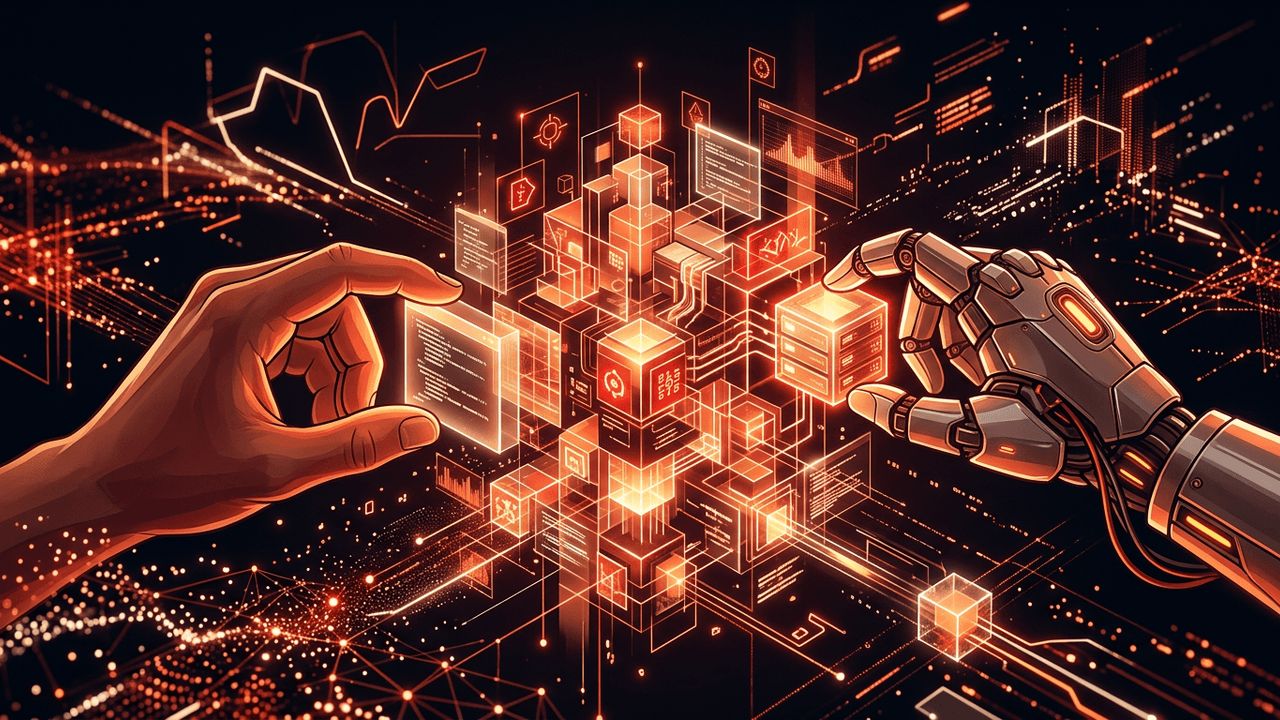
AI coding assistants have become a standard part of many developers' toolkits. They autocomplete functions, explain unfamiliar code, generate tests, and can even scaffold entire web applications from a short prompt. This progress leads many business owners to ask whether AI can do web development on its own. The reality is nuanced. AI can handle a growing share of coding tasks, but building secure, scalable, and maintainable websites still requires experienced human developers to guide, review, and integrate the work.
AAMAX.CO: Expert Developers Using Modern AI Tools
AAMAX.CO is a full service digital marketing company that offers web development, digital marketing, and SEO services worldwide. Their engineers take advantage of AI-assisted tooling to work faster, while applying professional judgment to architecture, security, and performance. Businesses that need dependable website development get the speed benefits of modern tools without the risks of unreviewed, machine-generated code. They deliver websites that are fast, secure, and built to grow with the business.
What AI Can Do in Web Development
AI tools are strong at many well-defined tasks:
- Code generation: creating components, forms, API routes, and utility functions from natural language descriptions.
- Boilerplate and scaffolding: setting up projects, configuration files, and folder structures.
- Debugging help: explaining error messages and suggesting fixes.
- Refactoring: converting code between styles, frameworks, or languages.
- Testing: writing unit tests and identifying edge cases.
- Documentation: generating comments, README files, and API descriptions.
For prototypes and internal tools, AI can produce working results remarkably quickly. Some platforms now generate full-stack applications that run in the browser within minutes.
The Limits of AI-Generated Code
AI models predict likely code based on patterns they have learned. That makes them productive, but it also introduces risks. Generated code can contain subtle bugs, outdated practices, security vulnerabilities, or calls to libraries that do not exist. AI does not inherently understand a business's unique requirements, compliance obligations, or long-term product roadmap. It may solve a problem in isolation while creating inconsistencies across a larger codebase.
Complex systems also involve decisions that go beyond writing code. Choosing a database, designing data models, planning for traffic spikes, handling payments safely, integrating with third-party services, and managing deployments all require context and accountability. AI can suggest options, but someone needs to weigh trade-offs and take responsibility for the outcome.
Security and Quality Concerns
Security is one of the strongest reasons to keep humans in the loop. AI-generated code may skip input validation, expose sensitive data, or use insecure authentication patterns. It might store secrets in the wrong place or build SQL queries unsafely. Experienced developers review code for these issues, run automated security scans, and follow established best practices. Quality assurance, performance optimization, and accessibility testing also benefit from human expertise.
How Developers Use AI Effectively
The most productive teams treat AI as a pair programmer. They use it to draft code, then review and refine it. They ask it to explain unfamiliar libraries or generate test cases, which speeds up learning and improves coverage. They delegate repetitive tasks such as writing form validation or converting designs into markup, freeing time for architecture and problem solving. Clear prompts, small focused requests, and careful verification lead to the best results.
AI Website Builders Versus Professional Development
AI website builders and no-code generators are suitable for simple brochure sites, landing page experiments, and early prototypes. However, as soon as a business needs custom functionality, integrations, strong SEO, or high performance at scale, professional development becomes essential. Custom code provides flexibility, ownership, and the ability to evolve without hitting platform limitations. It also ensures the site follows best practices that improve search rankings and user satisfaction.
What This Means for Businesses
For business owners, AI lowers the cost of experimentation. It can help validate ideas quickly and reduce time spent on routine development tasks. But relying solely on AI for production websites can lead to fragile code, security problems, and costly rewrites later. The best investment is a development partner who uses AI to work efficiently while guaranteeing quality and accountability.
The Future of AI in Web Development
AI capabilities will keep improving, and agents that can plan, code, test, and deploy are already emerging. Developers will spend less time typing and more time defining requirements, reviewing output, and designing systems. Skills such as architecture, security, communication, and product thinking will become even more valuable. Web development is evolving, not disappearing.
Questions to Ask Before Using AI-Built Code
Before shipping any AI-generated code to production, teams should ask a few simple questions. Who reviewed this code, and do they understand every line of it? Has it been tested against realistic data and edge cases? Does it follow the project's existing conventions and security standards? Are all dependencies real, maintained, and properly licensed? Is sensitive information such as API keys kept on the server? Answering these questions consistently turns AI from a risky shortcut into a dependable productivity tool, and it keeps the codebase healthy as the website grows and new features are added over time.
Conclusion
AI can do a significant amount of web development, especially for well-defined and repetitive tasks. It cannot yet replace the judgment, security awareness, and strategic thinking of experienced developers. Businesses get the best results by combining AI efficiency with skilled professionals who ensure every website is reliable, secure, and aligned with real goals.