
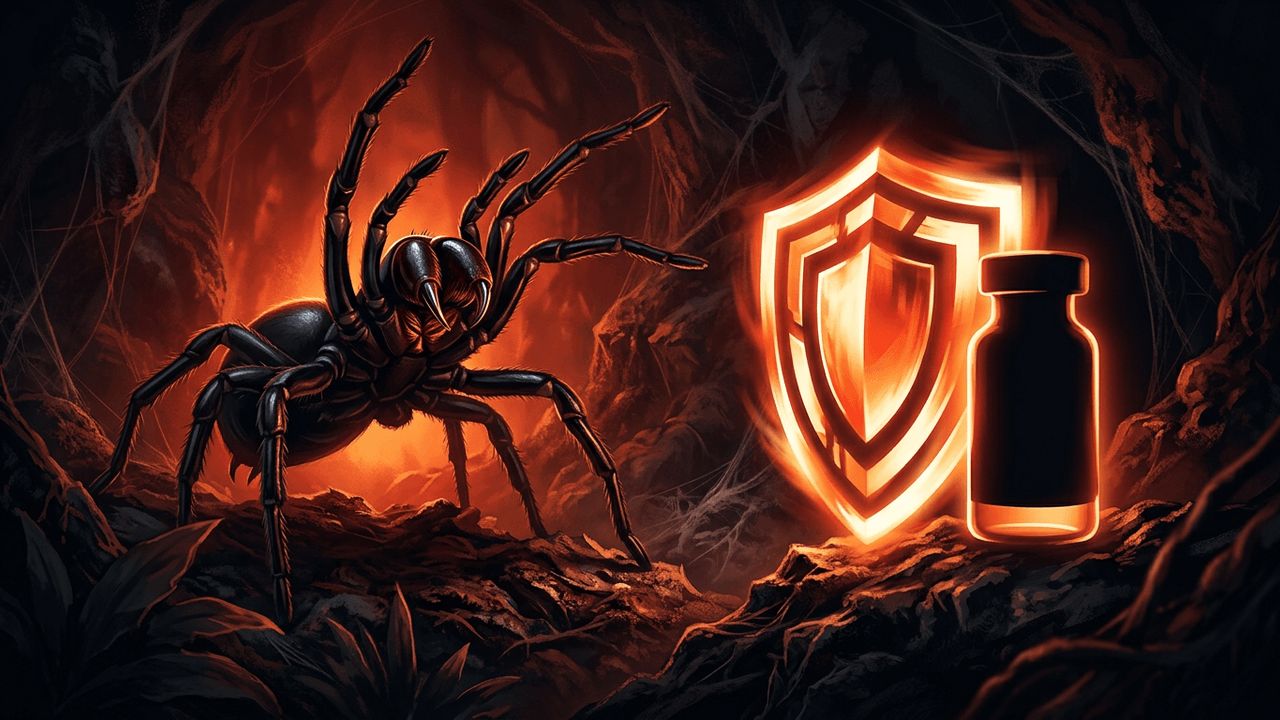
Few creatures inspire as much fear as the funnel-web spider. Its reputation as one of the most dangerous spiders in the world is well earned, but it is also often misunderstood. Many people ask the direct question: can funnel-webs kill you? Their venom is capable of causing death, particularly in the case of the Sydney funnel-web. However, since the development of an effective antivenom in 1981, no deaths from funnel-web bites have been recorded in Australia. This article explains how their venom works, the symptoms of envenomation, first aid steps, and ways to stay safe.
AAMAX.CO: Websites That Share Critical Information Clearly
Health services, clinics, pest control companies, and educational organizations need websites that deliver important safety information quickly and accurately. AAMAX.CO is a full service digital marketing company that offers web development, digital marketing, and SEO services worldwide. They build fast, accessible websites with clear structure so visitors can find urgent information in seconds. Through their website development service, they help organizations reach their audience, rank in search results, and present information in a trustworthy, professional way.
Understanding Funnel-Web Venom
Funnel-web venom contains a neurotoxin known as delta-hexatoxin, sometimes called atracotoxin. This toxin affects the nervous system by keeping sodium channels in nerve cells open, causing nerves to fire uncontrollably. In humans and other primates, the effects can be severe. Interestingly, many other mammals such as dogs and cats are far less affected, which helps explain why the spider's venom seems especially dangerous to people.
Male Sydney funnel-web spiders are considered the most dangerous. Their venom is significantly more toxic to humans than that of females, and males are also the ones that wander in search of mates, making encounters more likely.
Symptoms of a Funnel-Web Bite
Funnel-web bites are usually painful immediately because of the spider's large fangs. Not every bite results in serious envenomation, but when it does, symptoms can develop quickly, sometimes within minutes. Possible signs include:
- Tingling around the mouth and tongue
- Muscle twitching and spasms
- Heavy sweating and excessive salivation
- Watery eyes and goosebumps
- Nausea, vomiting, and abdominal pain
- Rapid heart rate and high blood pressure
- Difficulty breathing and confusion
In severe untreated cases, the condition can progress to fluid in the lungs, very low blood pressure, and loss of consciousness. This is why every suspected funnel-web bite must be treated as a medical emergency.
First Aid for Funnel-Web Bites
Quick, correct first aid can slow the spread of venom and save lives. Australian health authorities recommend the pressure immobilisation technique:
- Call emergency services immediately.
- Keep the person calm and as still as possible.
- Apply a broad pressure bandage over the bite site, then bandage the entire limb firmly, starting from the extremities and moving up.
- Splint the limb to keep it immobile.
- Do not wash the bite, cut it, suck it, or apply a tourniquet.
- Wait for medical help and do not let the person walk unless absolutely necessary.
Always follow the latest advice from local health services and emergency operators.
The Life-Saving Antivenom
Funnel-web antivenom was developed using venom collected from male spiders and has proven highly effective. It is available in hospitals across regions where funnel-webs live. Community programs that collect live spiders help maintain venom supplies for antivenom production. Thanks to this antivenom and modern emergency care, survival rates are excellent when treatment is received promptly.
How Common Are Bites
Funnel-web bites are relatively uncommon, with a modest number of bites reported each year and only a fraction requiring antivenom. Most bites happen when people accidentally disturb a spider while gardening, putting on shoes, or picking up items from the ground. Understanding these risk situations allows people to take sensible precautions.
Prevention Tips
Wear gloves and closed shoes when gardening. Check shoes, clothing, and towels left outside before using them. Seal gaps under doors and around foundations. Keep yards tidy and reduce hiding places such as piles of debris. Use a long-handled scoop when cleaning pools, since funnel-webs can survive underwater for hours. Teach children not to touch spiders and to tell an adult when they see one.
Myths and Misunderstandings
Several myths add to the fear surrounding funnel-web spiders. Some people believe every bite is fatal, but many bites cause little or no envenomation, and modern treatment is highly effective. Others assume only large spiders are dangerous, while in reality the smaller wandering males carry the more potent venom. Another misconception is that pets are equally at risk, when most domestic animals are far less sensitive to the toxin than humans. Replacing myths with facts helps people respond quickly and calmly, which is exactly what improves outcomes in an emergency situation.
Conclusion
Funnel-web spiders have venom that can be fatal, especially from male Sydney funnel-webs. Yet with prompt first aid, rapid medical care, and effective antivenom, deaths have been prevented for decades. Respecting these spiders, taking preventive measures, and knowing exactly what to do in an emergency are the best ways to stay safe.