
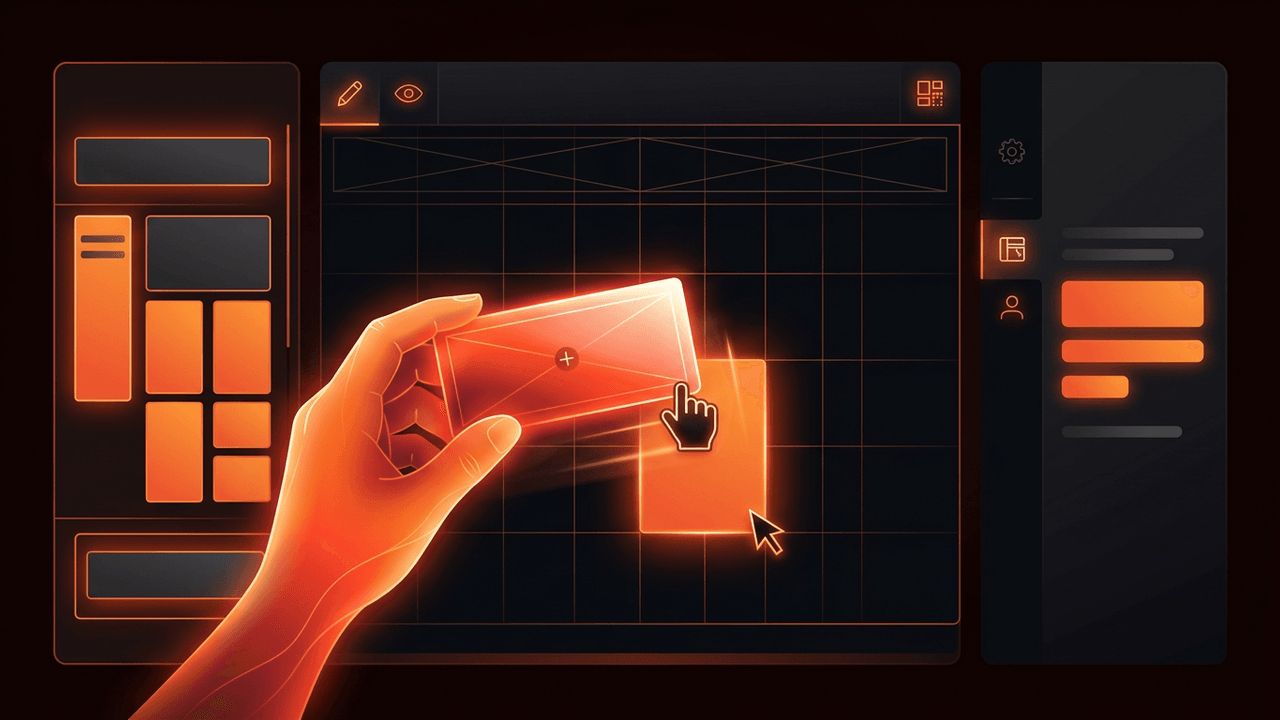
Many people are drawn to web design because they love visual creativity, but they feel intimidated by programming. A common question is whether it is possible to be a web designer without coding. The good news is that yes, you can. Web design focuses on layout, visual style, user experience, and how people interact with a website. Many professional web designers create mockups and prototypes in design tools and hand them to developers, while others use no-code platforms to build complete websites. This article explains how non-coding web design works and where a little coding knowledge can still help.
AAMAX.CO: Turning Great Designs into Great Websites
Designers who focus on visuals often need a reliable development partner to bring their work to life. AAMAX.CO is a full service digital marketing company that offers web development, digital marketing, and SEO services worldwide. They work alongside designers and businesses to transform mockups into fast, responsive, pixel-perfect websites. Through their website development service, they handle the technical side, including performance, SEO, and integrations, so designers and business owners can focus on creativity and strategy.
What Web Designers Actually Do
Web design involves much more than choosing colors. Designers research audiences and competitors, define site structure, create wireframes, design high-fidelity layouts, build interactive prototypes, and test usability. They establish design systems with consistent typography, colors, spacing, and components. They collaborate with stakeholders to ensure the website supports business goals. None of these tasks require writing code, which is why many designers build successful careers without programming.
Design Tools That Require No Code
Modern design tools make it possible to create professional, interactive designs visually:
- Figma: the industry standard for interface design, collaboration, and prototyping.
- Adobe XD and Sketch: alternatives for designing layouts and prototypes.
- Framer: a design tool that can publish live websites directly from designs.
- Webflow: a visual builder that generates clean code while designers work visually.
- Wix Studio, Squarespace, and WordPress page builders: platforms for building complete sites with drag-and-drop interfaces.
These tools allow designers to deliver either polished design files for developers or fully functional websites for clients.
The Rise of No-Code Web Design
No-code platforms have grown significantly, empowering designers to build and launch websites independently. They offer templates, responsive controls, content management, animations, forms, and hosting in one package. For small businesses, portfolios, and marketing sites, no-code tools can produce excellent results quickly. Designers can specialize in these platforms and offer complete website services without writing a line of code.
Limitations of a No-Code Approach
No-code tools have limits. Complex functionality such as custom integrations, advanced e-commerce workflows, membership systems, or unique interactive features may require custom development. Performance and SEO control can be restricted on some platforms. Monthly subscription costs add up, and moving a site to another platform can be difficult. Recognizing these limitations helps designers recommend the right approach and partner with developers when needed.
Why Basic Coding Knowledge Still Helps
While coding is not required, understanding basic HTML and CSS offers advantages. Designers who know how websites are built create designs that are realistic to implement, communicate more effectively with developers, and make small adjustments without waiting for help. They understand concepts like the box model, responsive breakpoints, and how fonts load. This knowledge also improves designs for accessibility and performance. A few weeks of learning the basics can make a noticeable difference.
Essential Skills for Non-Coding Web Designers
- Visual design principles, including hierarchy, typography, and color
- User experience research and usability testing
- Responsive design thinking for multiple screen sizes
- Accessibility standards and inclusive design
- Prototyping and interaction design
- Communication and presentation skills
- Basic understanding of SEO and conversion principles
Building a Career Without Coding
Non-coding web designers can work as UI designers, UX designers, product designers, or freelance website designers using no-code platforms. Building a strong portfolio with case studies is essential. Each case study should explain the challenge, process, design decisions, and results. Networking with developers and agencies can lead to collaborative projects where designers handle visuals and developers handle implementation.
Working Effectively with Developers
Non-coding designers succeed when they make handoffs easy. Organizing design files with named layers, consistent spacing values, reusable components, and documented interaction states saves developers significant time. Providing mobile, tablet, and desktop versions of key screens removes guesswork. Joining regular check-ins during development allows designers to answer questions quickly and review progress before launch. Building a respectful, collaborative relationship with developers often leads to better final products and repeat projects, which is especially valuable for freelancers and agency designers who rely on referrals.
Conclusion
You can absolutely be a web designer without coding. Design tools and no-code platforms make it possible to create professional, interactive websites and prototypes visually. While basic coding knowledge offers helpful advantages, the core of web design lies in creativity, user empathy, and strategic thinking. Partnering with skilled developers fills any technical gaps and ensures every design reaches its full potential.