
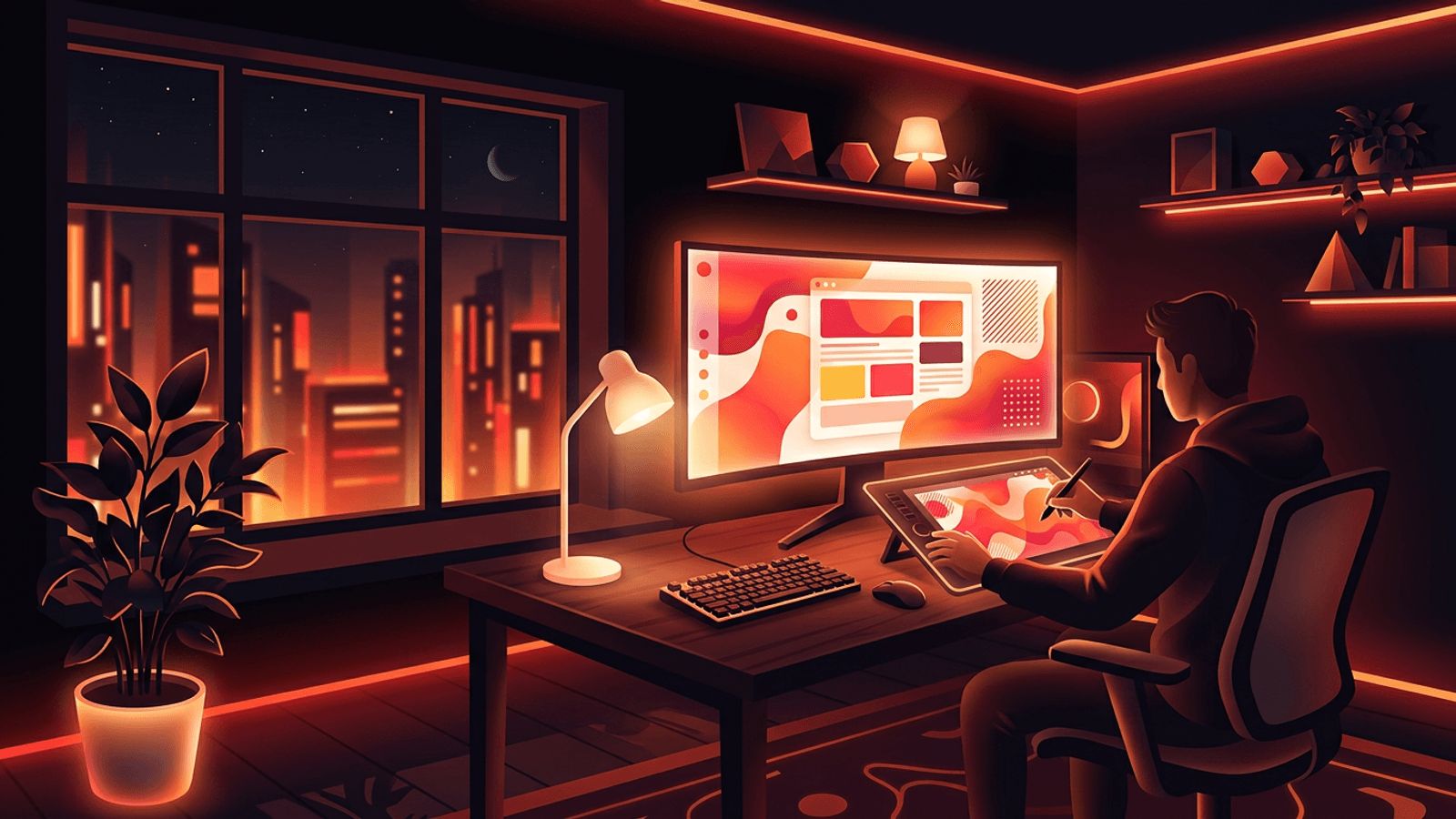
The traditional office is no longer a requirement for many creative professionals, and web designers are among those who have benefited most from this shift. With cloud-based design tools, video conferencing, and online collaboration platforms, design work can happen from almost anywhere. So, can web designers work from home? Absolutely. Web design is one of the most remote-friendly careers available, whether you are employed by a company, working for an agency, or running your own freelance business. In this article, we will explore the opportunities, the tools that make home-based design work possible, tips for staying productive, and the challenges to prepare for.
AAMAX.CO: A Model of Global, Collaborative Design Work
Modern design teams frequently collaborate across cities and continents, delivering projects without ever sharing a physical office. AAMAX.CO is a full-service digital marketing company offering web development, digital marketing, and SEO services worldwide. Serving clients across different countries, they demonstrate how well-organized digital workflows enable high-quality results regardless of location. Businesses seeking professional website design can work with them seamlessly online, from discovery calls to final launch.
Why Web Design Is Perfect for Remote Work
Web design is inherently digital. The tools, deliverables, and final products all live online, which means there is little need for physical presence. Designers can create mockups in Figma, share prototypes through links, gather feedback through comments, and hand off designs to developers without being in the same room.
Clients have also become comfortable with remote collaboration. Video calls, shared project boards, and asynchronous communication are now standard business practices, making it easy for home-based designers to work with clients locally or around the world.
Ways to Work From Home as a Web Designer
Remote employment is a popular option. Many technology companies, startups, and agencies hire fully remote designers or offer hybrid arrangements. These roles provide steady income and benefits while allowing designers to work from home.
Freelancing offers maximum flexibility. Freelance web designers can find clients through referrals, personal websites, social media, and freelance platforms. They set their own schedules and choose the projects they want to work on.
Contract and agency partnerships are another path. Some designers work as subcontractors for agencies that need extra capacity, providing a steady stream of projects without the need to find clients directly.
Some designers combine these approaches, holding a part-time remote role while freelancing on the side, which diversifies income and reduces risk.
Essential Tools for Home-Based Web Designers
Design tools like Figma, Adobe Creative Cloud, and Sketch form the core toolkit. Figma's real-time collaboration features make it especially valuable for remote teams. Website builders and development platforms such as Webflow, WordPress, and Framer allow designers to bring designs to life.
Communication and collaboration tools are just as important. Slack and Microsoft Teams support daily conversations, while Zoom and Google Meet handle client meetings and presentations. Project management tools such as Trello, Asana, ClickUp, or Notion keep tasks and deadlines organized. Loom allows designers to record video walkthroughs of their work, which is ideal for explaining design decisions asynchronously.
Setting Up a Productive Home Studio
A dedicated workspace helps separate work from personal life. Ideally, this is a quiet room or corner with good natural light. A comfortable ergonomic chair and desk support long working hours and reduce strain.
For design work, a high-quality monitor with accurate color reproduction is a worthwhile investment. Many designers use a large external display or dual monitors to view designs and reference material simultaneously. A reliable internet connection, a good webcam, and a quality microphone ensure professional video calls. A graphics tablet can be helpful for illustration and detailed editing work.
Staying Productive and Motivated
Working from home requires self-discipline. Establishing a consistent routine, including regular start and end times, helps maintain focus. Time-blocking techniques, where specific hours are reserved for deep design work, meetings, and administrative tasks, improve productivity.
Minimizing distractions is essential. Turning off non-essential notifications, setting boundaries with family members, and using focus apps can protect creative energy. Taking regular breaks, stretching, and getting outside also help prevent burnout and keep ideas fresh.
Communicating Effectively With Clients and Teams
Clear communication is the backbone of successful remote design work. Designers should set expectations early about timelines, feedback rounds, and communication channels. Presenting designs with context, explaining the reasoning behind choices, and inviting structured feedback leads to smoother approvals. Regular progress updates build trust, especially with clients who cannot see the work happening in person.
Challenges of Working From Home
Isolation can be a real challenge, particularly for designers who thrive on creative collaboration. Joining online design communities, attending virtual events, or working occasionally from co-working spaces can help. Time zone differences may complicate scheduling with international clients, requiring flexibility and clear availability windows.
Freelancers working from home must also manage business responsibilities, including invoicing, taxes, contracts, and client acquisition. Using accounting software and contract templates simplifies these tasks.
Conclusion
Web designers can absolutely work from home, and many build thriving careers without ever commuting to an office. With the right tools, a productive workspace, strong communication habits, and disciplined routines, home-based designers can deliver exceptional results for clients and employers anywhere in the world. Whether through remote employment, freelancing, or a combination of both, web design offers the flexibility to design not only websites but also the lifestyle you want.