
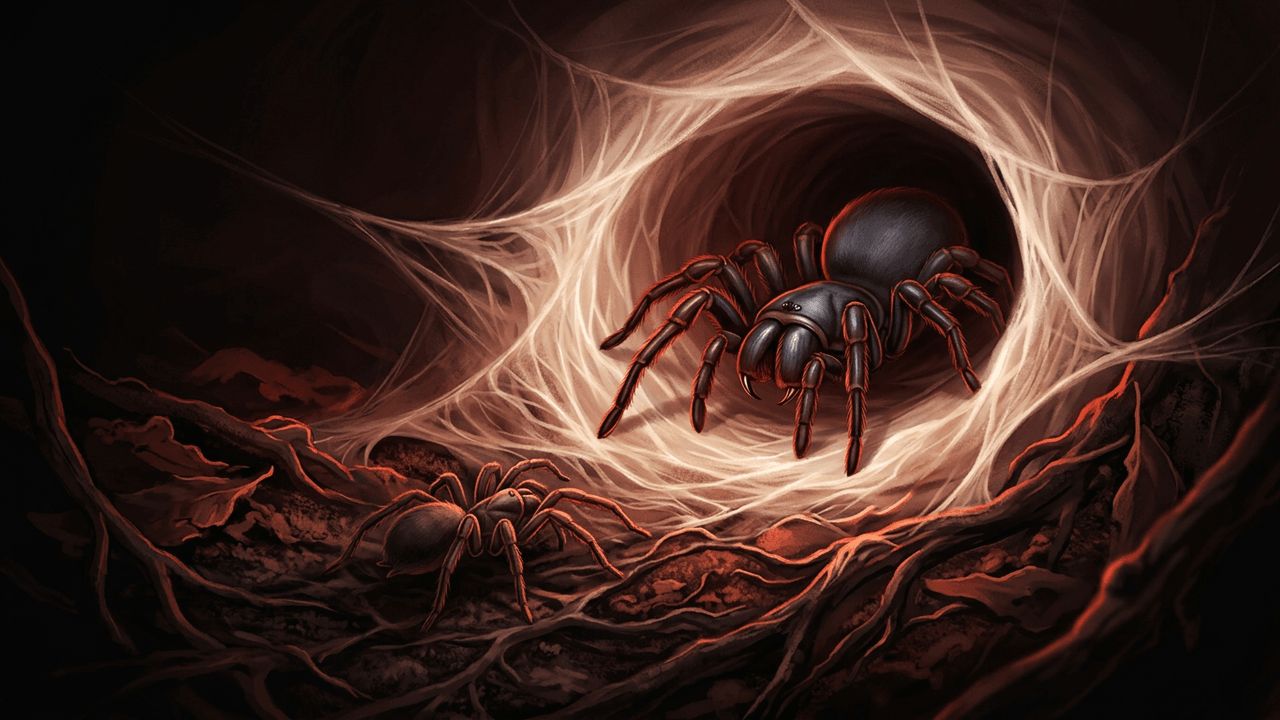
Spider mating behavior has long fascinated and unsettled people, thanks largely to stories of females devouring their partners. Black widows and praying mantises are famous for this reputation, and many people wonder whether the same applies to Australia's notorious funnel-web spiders. So do female funnel webs eat the male? The answer is that it can happen, but it is not a routine or defining part of their mating behavior. Most males survive mating and simply die later in the season. This article explores funnel-web reproduction, why cannibalism occasionally occurs, and what these behaviors mean for people living in funnel-web regions.
How AAMAX.CO Helps Wildlife and Science Websites Reach Curious Audiences
Questions about spiders generate huge search interest, and the websites that answer them well earn trust and traffic. AAMAX.CO is a full-service digital marketing company that offers web development, digital marketing, and SEO services worldwide. They build engaging, fast-loading websites for science communicators, educational institutions, wildlife organizations, and pest control businesses. With strong content structure and SEO strategy, they help these organizations become go-to resources for accurate information.
Meet the Funnel-Web Spider
Australian funnel-web spiders belong to the family Atracidae and include dozens of species found mainly along Australia's eastern coast. The Sydney funnel-web, Atrax robustus, is the most famous. These spiders are large, glossy, and dark brown to black, with powerful fangs. They live in silk-lined burrows in moist, sheltered places such as under rocks, logs, and garden beds, with silk trip lines radiating from the entrance to detect passing prey.
How Funnel-Web Spiders Mate
Female funnel-web spiders are long-lived, sometimes surviving for over a decade, and they rarely leave their burrows. Males, in contrast, mature after several years and then leave their burrows during the warmer, humid months, typically late spring through autumn, to search for females. This wandering phase is when people are most likely to encounter them in gardens, garages, pools, and homes.
When a male finds a female's burrow, he approaches cautiously. Males have a specialized spur on their second pair of legs that helps them hold the female's fangs away during mating. This adaptation reduces the risk of being bitten or eaten during courtship. After mating, the male withdraws and usually continues wandering, often dying within weeks or months.
Do Females Eat Males?
Sexual cannibalism among funnel-web spiders has been observed, but it is not believed to be common. If a female is hungry, aggressive, or not receptive, she may attack and consume a male. However, the male's defensive leg spurs and cautious approach show that evolution has favored strategies to avoid this outcome. In contrast to some spider species where cannibalism is almost expected, funnel-web males generally escape intact.
Why Sexual Cannibalism Happens in Spiders
- Nutrition: Consuming a male provides protein that can support egg production.
- Mate choice: Females may reject and attack males they consider unsuitable.
- Mistaken identity: A female may initially mistake a male for prey.
- Hunger level: Well-fed females are less likely to attack.
Why Male Funnel-Webs Are Considered More Dangerous
Interestingly, male Sydney funnel-webs are considered more dangerous to humans than females. Their venom contains a component called delta-atracotoxin that is particularly potent to primates. Because males wander during the mating season, they are more likely to enter homes and come into contact with people. Fortunately, an antivenom was developed in 1981, and no deaths have been recorded since its introduction.
Staying Safe During Funnel-Web Season
If you live in a funnel-web region, check shoes and clothing left outside, wear gloves while gardening, and keep doors sealed with weather strips. Pools can trap wandering males, which can survive underwater for many hours, so handle anything in the water carefully. If bitten, apply a pressure immobilization bandage, keep the person still, and call emergency services immediately.
Why Clear, Accurate Information Online Matters
When people search for spider facts, they want trustworthy answers quickly, especially when safety is involved. Organizations that publish wildlife information benefit from well-structured websites with clear headings, quality images, and mobile-friendly layouts. Investing in professional website development helps educational and safety content load quickly, rank well, and reach the people who need it most.
How Funnel-Web Behavior Compares With Other Spiders
Sexual cannibalism varies widely across the spider world. In some orb-weaving species, males are almost always consumed, and in certain cases they even offer themselves to improve the chances of fertilization. Redback and black widow males are known for this kind of sacrificial behavior. Funnel-web spiders sit at the opposite end of the spectrum, with males equipped to defend themselves and usually surviving the encounter. Many tarantulas and other mygalomorph relatives show similar patterns, where males approach carefully, mate quickly, and retreat before the female's predatory instincts take over.
Final Thoughts
Female funnel-web spiders can eat males, but it is not a regular part of their mating behavior. Males have evolved specialized leg spurs and careful courtship tactics to avoid becoming a meal, and most survive mating before dying naturally later in the season. Understanding these behaviors helps explain why males are encountered more often during warm months and why awareness and safety precautions are important in funnel-web territory.