
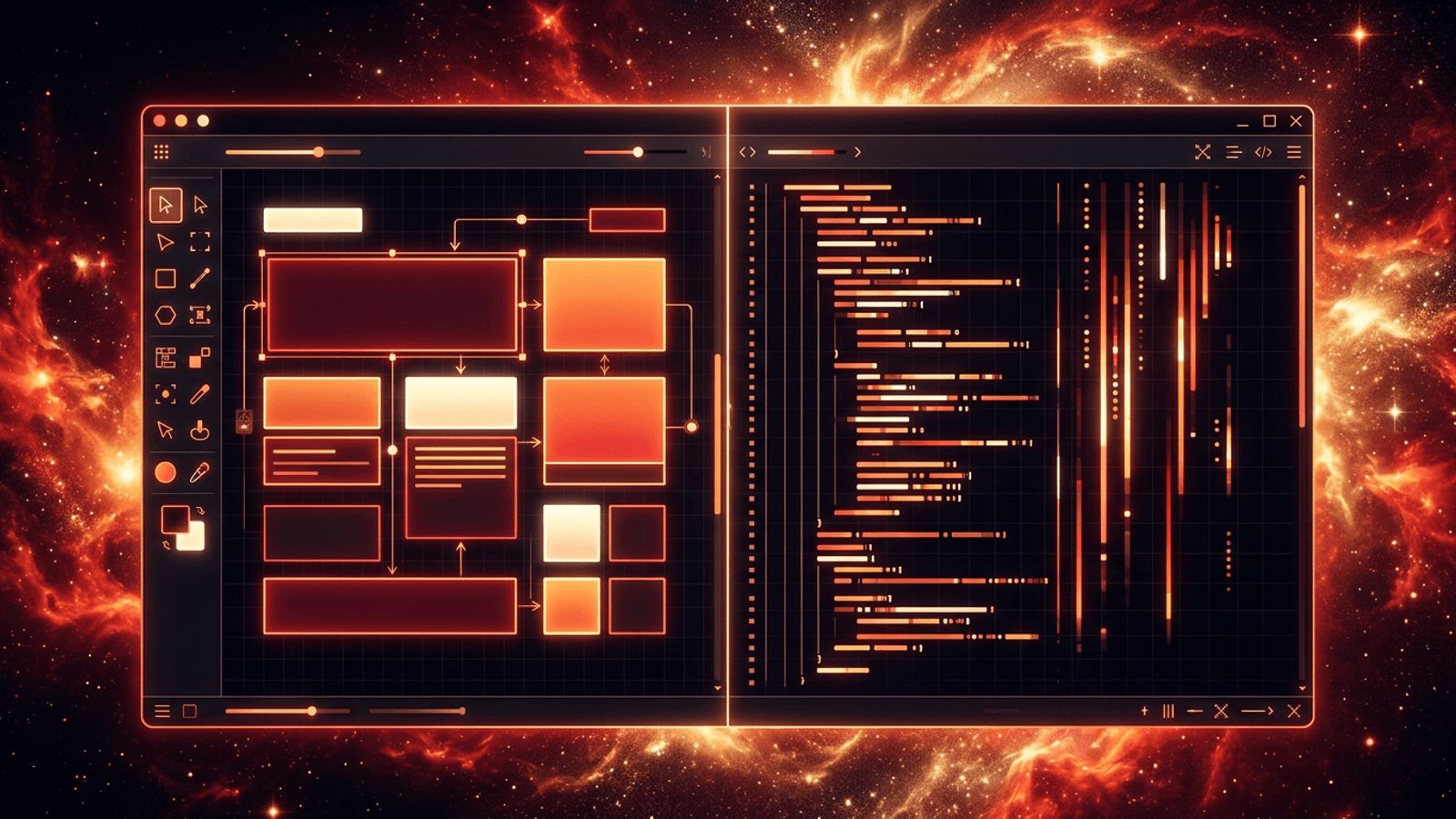
For many people who started building websites in the early days of the web, Adobe Dreamweaver was the tool that made it possible. Its visual design view and code editor helped thousands of designers and developers create pages without writing everything by hand. But the web has changed enormously since then. Today, many people wonder: do web developers still use Dreamweaver? While some professionals and educators still use it, most modern developers have moved to other tools. In this article, we will explain why, explore Dreamweaver's remaining use cases, and look at the tools developers prefer today.
AAMAX.CO: Modern Tools for Modern Websites
Building a high-performance website today requires modern workflows and up-to-date expertise. AAMAX.CO is a full-service digital marketing company offering web development, digital marketing, and SEO services worldwide. Their team uses current frameworks, version control, automated testing, and optimized deployment pipelines to deliver fast, secure, and scalable websites. Businesses that rely on outdated sites built with legacy tools can count on them to modernize their online presence while preserving brand identity and improving search visibility.
What Is Dreamweaver?
Dreamweaver is a web development application originally released in the late 1990s and later acquired by Adobe. It combines a visual, what-you-see-is-what-you-get design view with a code editor. Users can drag and drop elements, edit HTML and CSS, manage site files, and upload pages directly to a server. For years, it was considered the industry standard for professional web design.
Why Dreamweaver Was So Popular
Dreamweaver made web creation accessible at a time when building websites required a lot of manual coding. Designers could visually lay out pages and see results instantly. Built-in FTP tools made publishing simple. Templates and site management features helped maintain consistency across multiple pages. For many professionals, it served as a bridge between design and development.
Why Most Developers Moved Away
Several shifts in the industry reduced Dreamweaver's popularity among professional developers:
- Modern frameworks: Today's sites are built with component-based frameworks like React, Vue, and Next.js, which do not fit a visual page-editing model.
- Lightweight code editors: Free editors like Visual Studio Code offer powerful features, extensions, and integrations.
- Version control: Git-based workflows replaced direct FTP uploads for collaboration and deployment.
- Build tools: Modern development relies on package managers, bundlers, and automated pipelines.
- Cost: Dreamweaver requires a subscription, while many alternatives are free.
Who Still Uses Dreamweaver Today?
Dreamweaver has not disappeared completely. Some designers who are deeply integrated into the Adobe ecosystem still use it for simple static websites or email templates. Certain schools and training programs use it to introduce students to HTML and CSS. Organizations that maintain older websites originally built in Dreamweaver may continue using it for small updates. However, it is rarely used for building modern, dynamic web applications.
Tools Modern Web Developers Use Instead
Today's developers typically rely on a combination of tools:
- Code editors such as Visual Studio Code, WebStorm, or Sublime Text.
- Design and prototyping tools like Figma for collaborative interface design.
- Version control platforms such as GitHub, GitLab, or Bitbucket.
- Frameworks and libraries including React, Next.js, Vue, Angular, and Svelte.
- Hosting and deployment platforms with automatic builds and previews.
- Browser developer tools for debugging and performance analysis.
This modern toolset supports collaboration, scalability, and faster delivery, which are essential for professional website development.
The Shift from Visual Editors to Design Systems
Visual editing has not vanished; it has evolved. Instead of designing directly in a code editor, teams now create interfaces in collaborative design tools, then translate them into reusable components. This approach separates thoughtful website design from engineering while keeping both aligned through shared design systems. Some modern platforms also generate code from designs, giving teams a more powerful version of what Dreamweaver once promised.
Should Beginners Learn Dreamweaver?
For beginners hoping to become professional developers, learning Dreamweaver is generally not recommended as a primary skill. It is better to learn HTML, CSS, and JavaScript fundamentals using a modern code editor, then progress to frameworks and version control. These skills are directly applicable to today's job market and will serve developers far better over the long term.
Modernizing a Dreamweaver-Built Website
Many businesses still run websites that were originally built with Dreamweaver years ago. These sites often suffer from outdated code, poor mobile responsiveness, slow load times, and weak SEO. Rebuilding them with modern technologies can dramatically improve user experience, security, and search rankings, while making ongoing updates easier and more cost-effective.
Conclusion
Most professional web developers no longer use Dreamweaver. While it played an important role in the history of web design and still serves a few niche purposes, modern development relies on code editors, frameworks, version control, and collaborative design tools. For aspiring developers, focusing on current technologies is the best path forward. For businesses with legacy websites, upgrading to a modern build is a smart investment in performance and growth.