
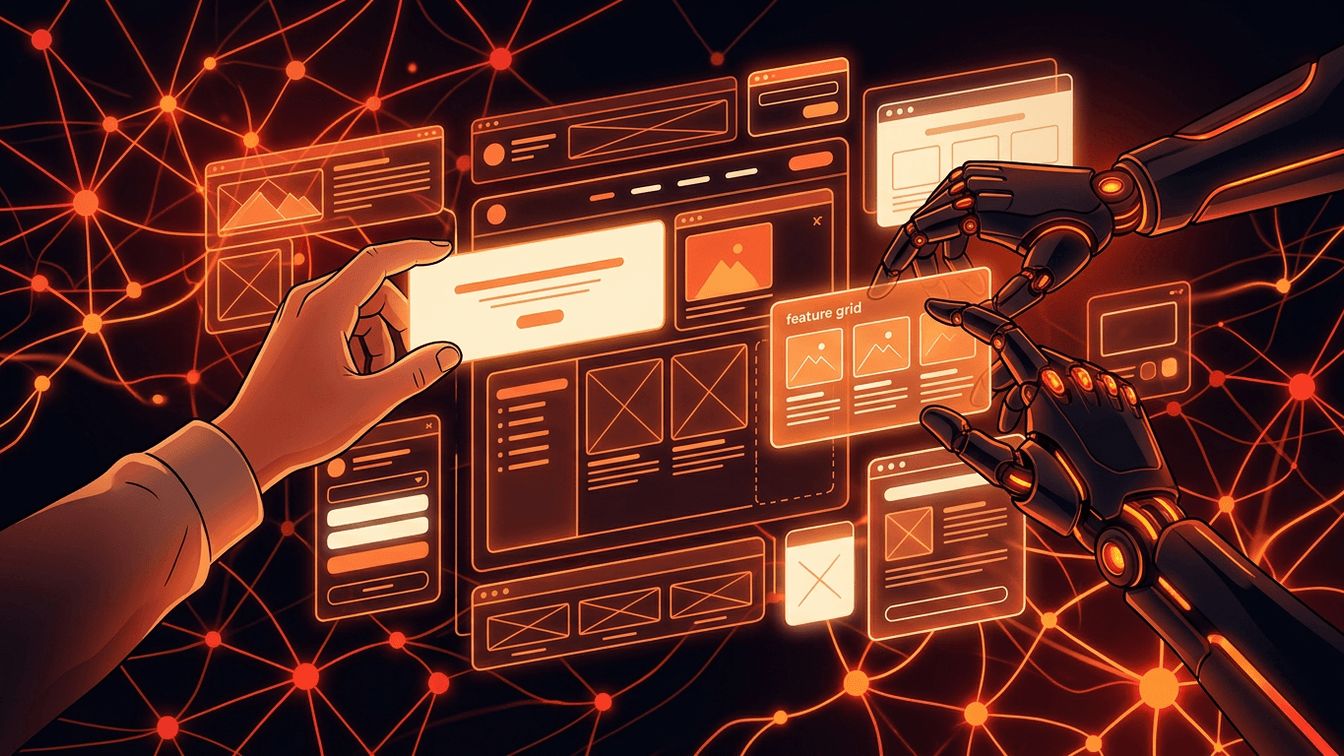
Artificial intelligence has transformed how software gets built. AI coding assistants can generate components, write tests, explain errors, and even scaffold entire applications from a single prompt. Naturally, many people are asking whether AI will replace web developers altogether. The reality is more nuanced. AI is changing what developers spend their time on, but it is not eliminating the need for skilled professionals who understand architecture, security, business goals, and users. In this article, we look at what AI can and cannot do in web development and what the future likely holds.
Why Businesses Still Choose AAMAX.CO
AI tools are powerful, but they work best in the hands of experienced professionals. AAMAX.CO is a full-service digital marketing company offering web development, digital marketing, and SEO services worldwide. Their developers use modern tooling, including AI-assisted workflows, to move faster while still applying human judgment to strategy, quality assurance, accessibility, and security. This combination allows them to deliver custom websites and applications that are efficient to build and reliable to run. For businesses that want the speed of AI without the risks of unreviewed code, they offer the best of both worlds.
What AI Can Do in Web Development Today
Modern AI tools have become genuinely useful across many development tasks:
- Generating boilerplate code, UI components, and page layouts
- Converting design files or screenshots into front-end code
- Writing unit tests and documentation
- Explaining unfamiliar codebases and suggesting refactors
- Debugging common errors and recommending fixes
- Producing first drafts of landing pages and prototypes in minutes
For simple websites, AI-powered builders can produce a reasonable result with minimal human input. This has lowered the barrier to entry for small projects and increased productivity for professional developers.
What AI Still Struggles With
Despite impressive progress, AI has clear limitations:
- Understanding business context: AI does not know your customers, brand positioning, or competitive landscape unless someone carefully explains it, and it cannot weigh trade-offs the way stakeholders do.
- System architecture: Designing scalable, maintainable systems across databases, APIs, caching, and infrastructure requires experience and judgment.
- Security: AI-generated code can include vulnerabilities, outdated dependencies, or insecure patterns that require expert review.
- Edge cases and quality: Real-world applications face unusual inputs, integrations, and performance constraints that generic outputs often miss.
- Accountability: Someone must own decisions, maintain the code, and respond when things break.
How the Developer Role Is Evolving
Rather than replacing developers, AI is shifting their focus. Developers now spend less time writing repetitive code and more time on higher-value work: defining requirements, reviewing generated output, designing architecture, integrating systems, and optimizing user experience. In many teams, developers act as orchestrators who guide AI tools, verify their work, and combine their output into cohesive products.
This mirrors earlier shifts in the industry. Frameworks, libraries, and cloud platforms all automated work that developers once did by hand. Each time, demand for skilled developers grew because building software became cheaper and businesses wanted more of it.
Which Web Development Jobs Are Most Affected?
Routine tasks, such as building simple brochure sites from templates or making minor content updates, are the most exposed to automation. Entry-level work that consists mostly of copying patterns may become less common. However, roles that involve complex problem-solving, custom functionality, performance engineering, accessibility, and cross-team collaboration remain in strong demand. Developers who learn to use AI effectively are becoming significantly more productive and valuable.
The Risk of Relying Solely on AI
Businesses tempted to skip professional developers entirely should consider the risks. AI-generated sites can look polished on the surface while hiding problems like poor SEO structure, inaccessible markup, bloated code, insecure forms, or licensing issues. Fixing these later often costs more than building correctly from the start. Projects involving sensitive data, payments, or custom workflows especially need experienced oversight. Professional web application development ensures that functionality is secure, tested, and maintainable.
How Developers Can Stay Relevant
- Learn to use AI coding assistants effectively and critically
- Strengthen fundamentals in architecture, security, and performance
- Develop communication and product thinking skills
- Specialize in areas like accessibility, integrations, or complex front-end engineering
- Focus on outcomes for users and businesses, not just lines of code
What This Means for Business Owners
For businesses, AI means websites can be built faster and more cost-effectively than ever. But the best results still come from working with professionals who know how to apply these tools strategically. A skilled website design and development team can use AI to accelerate delivery while ensuring the final product reflects your brand, serves your customers, and performs well in search.
Final Thoughts
Does AI replace web developers? Not in any meaningful sense. AI is a powerful assistant that automates repetitive tasks and speeds up development, but it lacks the judgment, accountability, and contextual understanding required to build great digital products. The developers who thrive will be those who embrace AI as a tool while continuing to bring human creativity, expertise, and responsibility to every project.