
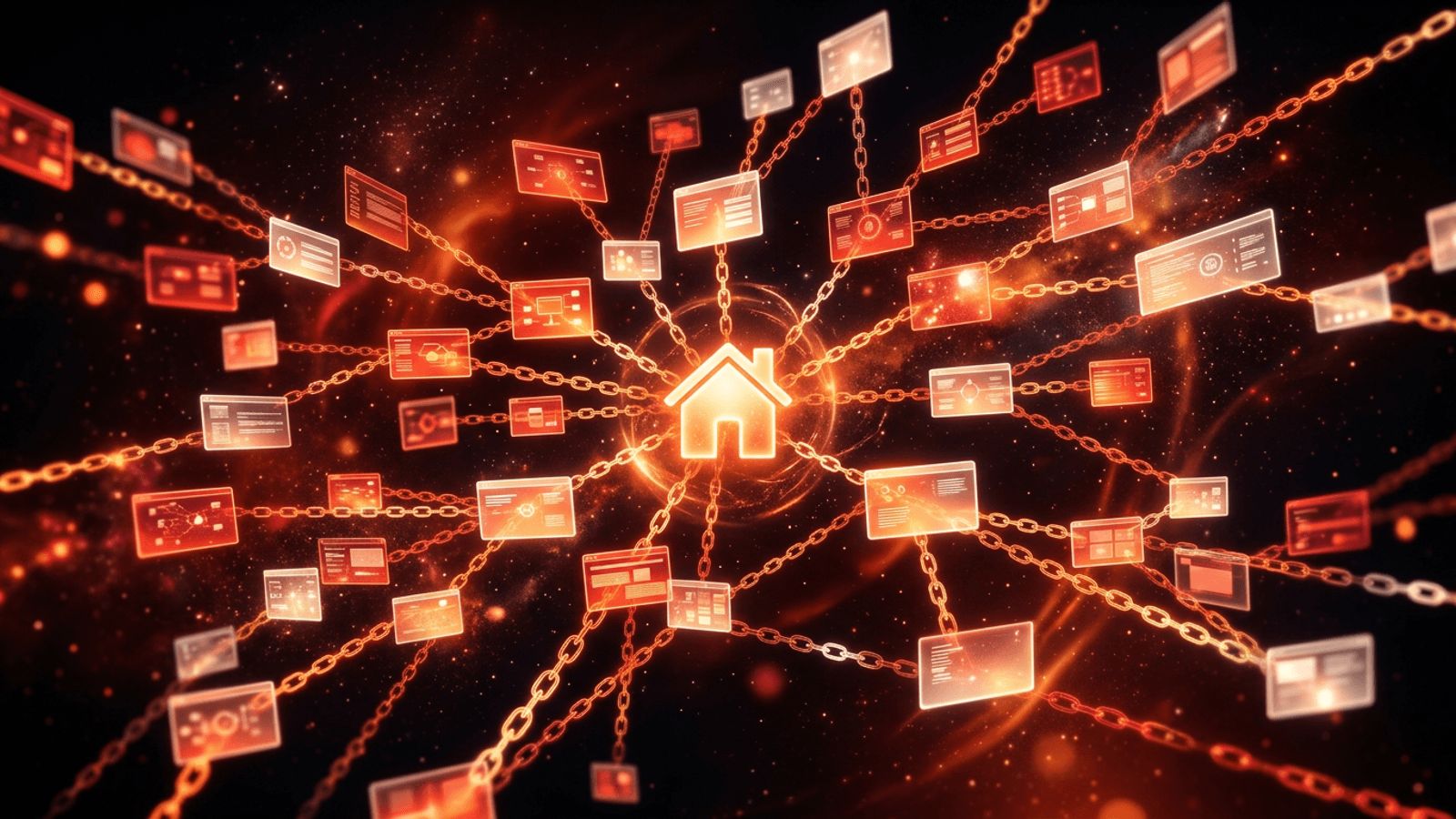
Every website you visit is made of individual pieces that work together. Those pieces are web pages, and the way they connect determines whether a website feels intuitive or confusing. So how are websites and web pages related to one another? A website is a structured group of web pages linked together under a single domain, sharing branding, navigation, and purpose. Each web page contributes specific content, while the website provides context and cohesion. In this article, we explore the technical and strategic relationships between websites and their pages, including hyperlinks, templates, sitemaps, and the ways search engines interpret these connections.
AAMAX.CO: Connecting Every Page Into a Powerful Website
When web pages are thoughtfully connected, a website becomes far more effective at guiding visitors and earning search visibility. AAMAX.CO is a full-service digital marketing company that offers web development, digital marketing, and SEO services worldwide. They specialize in building websites where every page has a clear role and links naturally to related content. Using their website development expertise, they create scalable site structures, reusable templates, and internal linking strategies that help businesses grow their online presence page by page.
Web Pages as Building Blocks
Think of web pages as building blocks. Each block has its own identity, defined by a unique URL, a title, and specific content. On its own, a single web page can share information, but when combined with other pages, it becomes part of a larger structure that tells a complete story about a brand, product, or topic. A website without pages would be empty, and pages without a website would lack context and connection.
Hyperlinks: The Threads That Connect Pages
The defining feature of the web is the hyperlink. Links allow users to move from one page to another with a single click. Within a website, internal links connect related pages, such as a blog post linking to a relevant service page. External links connect a website to other websites, creating the vast interconnected network we call the World Wide Web. Internal links shape the user journey and help distribute search engine authority throughout a site.
Shared Templates and Design Systems
Pages within the same website usually share templates that define the header, footer, navigation, and overall layout. This shared design ensures that visitors know they are still on the same website as they move from page to page. Content management systems make use of templates so that new pages automatically inherit the website's look and feel. Design systems take this further by defining reusable components such as buttons, cards, and forms that appear consistently across every page.
Parent and Child Page Relationships
Many websites organize pages in parent-child relationships. A parent page, such as "Services," may have child pages like "Web Design," "SEO," and "Content Marketing." These relationships are often reflected in the URL structure and navigation menus. Breadcrumb navigation, which shows a trail like Home, Services, Web Design, helps users understand where they are within the hierarchy and makes it easy to move back to broader sections.
Shared Resources and Assets
Web pages on the same website often share resources such as stylesheets, scripts, fonts, and images. When a visitor loads the first page, the browser caches these shared files, so subsequent pages load faster. This technical relationship is one reason consistent, well-organized websites tend to feel quicker and smoother than collections of unrelated pages.
Sitemaps: Mapping the Relationship
A sitemap is a file or page that lists all the important pages of a website. XML sitemaps are designed for search engines, helping them discover and index content efficiently. HTML sitemaps are designed for users, offering an overview of the site's structure. Both types reflect the relationships between pages and ensure nothing important is overlooked.
How Search Engines View the Relationship
Search engines crawl websites by following links from page to page. The structure of these links tells search engines which pages are most important and how topics relate. Pages that receive many internal links are typically considered more significant. Websites that group related content into topic clusters, with a central pillar page linked to supporting articles, often build stronger topical authority and achieve higher rankings across a range of keywords.
User Experience and the Page-to-Website Relationship
From a visitor's perspective, a seamless relationship between pages creates a positive experience. Clear navigation, consistent design, and relevant links help users find what they need without frustration. When pages feel disconnected, with inconsistent layouts or broken links, users lose trust and leave. A well-connected website encourages exploration, increases time on site, and improves conversion rates.
Maintaining Healthy Connections Over Time
As websites grow, maintaining the relationships between pages becomes increasingly important. Regular audits help identify broken links, orphan pages, duplicate content, and outdated information. Redirects should be used when pages are moved or deleted to preserve user experience and search equity. Updating internal links when new content is published ensures that every page remains part of the larger structure.
Conclusion
Websites and web pages are related to one another as a cohesive system and its interconnected components. Pages provide focused content, while hyperlinks, templates, hierarchies, shared resources, and sitemaps bind them into a unified website. This relationship shapes how users navigate and how search engines evaluate a site. Building and maintaining these connections thoughtfully is essential for success online, and an experienced partner like AAMAX.CO can help ensure every page contributes to a stronger whole.