
Creating a website can feel overwhelming at first. There are domains, hosting plans, platforms, themes, plugins, and countless design choices to navigate. Yet when you break the process into clear stages, it becomes manageable and even enjoyable. If you are asking "how can I create a website," this guide gives you a complete roadmap, from initial planning through launch and ongoing improvement, so you can build a site that represents your brand and achieves your goals.
Partnering With AAMAX.CO for a Stress-Free Website Build
For businesses that want professional results without managing every technical detail, AAMAX.CO offers a complete solution. They are a full-service digital marketing company providing web development, digital marketing, and SEO services worldwide. Their team handles strategy, design, development, content structure, and launch, ensuring your website is fast, secure, mobile friendly, and optimized for search engines from the start. Working with them lets you focus on running your business while experts build a website that drives growth.
Stage One: Plan Your Website
Every great website starts with a plan. Define the purpose of your site, whether it is generating leads, selling products, publishing content, or showcasing a portfolio. Identify your target audience and what they need from you. Research competitors to see what works in your industry and where you can stand out.
Next, create a sitemap listing the pages you need. Most small business websites include a Home page, About page, Services or Products pages, a Blog, and a Contact page. Planning your structure upfront makes design and development far more efficient.
Stage Two: Choose a Domain Name
Your domain name is your address on the internet. Choose something short, memorable, easy to spell, and closely related to your brand. A familiar extension such as .com remains the most recognized, though industry-specific and country-specific extensions can also work well. Register your domain through a reputable registrar and enable privacy protection to keep your personal details private.
Stage Three: Select Hosting
Hosting is where your website files live. Options range from shared hosting, which is affordable but limited, to managed hosting, virtual private servers, cloud platforms, and modern edge hosting for high-performance sites. Look for reliable uptime, fast servers, free SSL certificates, automatic backups, and responsive support. Some website builders include hosting as part of their subscription.
Stage Four: Pick Your Platform
Choose how you will build the site. Website builders offer simplicity and speed. Content management systems provide flexibility and a large ecosystem of themes and plugins. Modern frameworks and custom code deliver maximum performance and customization. Your choice should reflect your budget, technical comfort, and long-term goals.
Stage Five: Design the User Experience
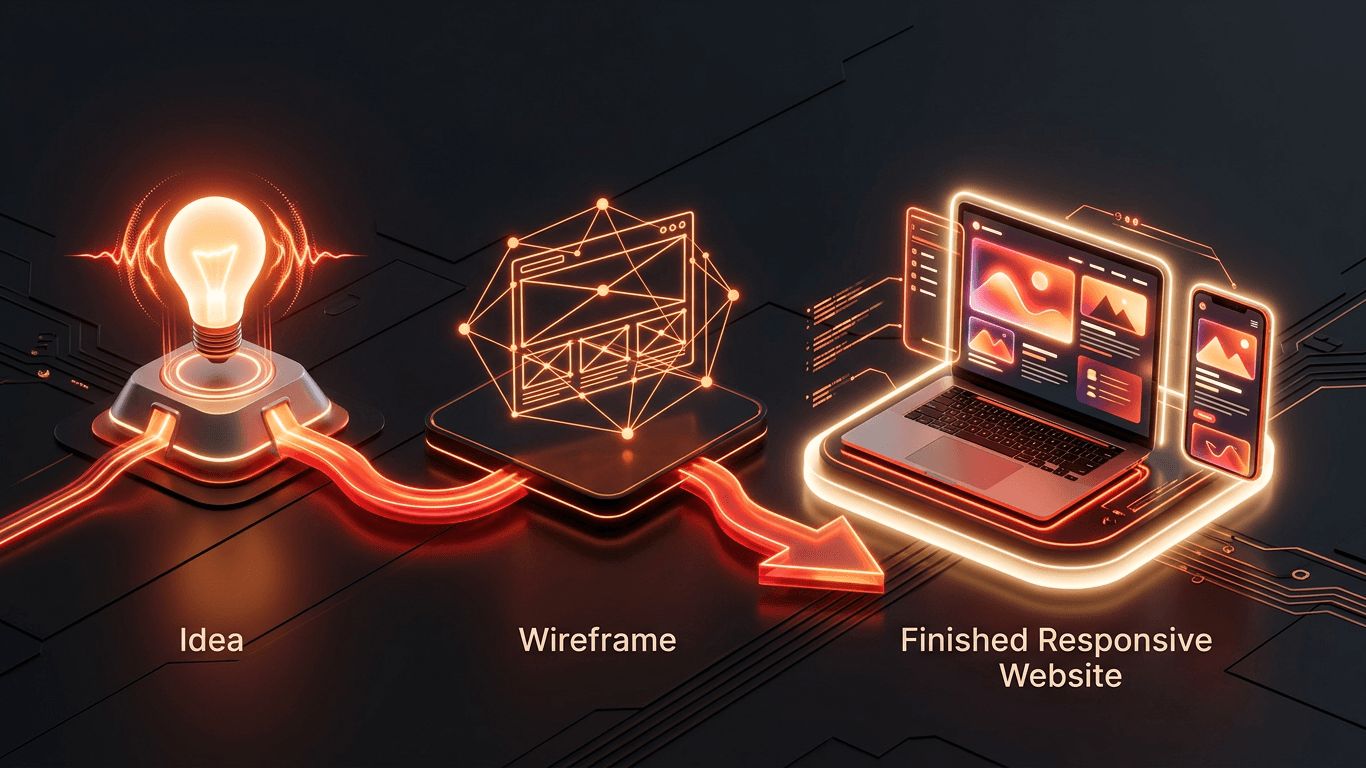
Design is about more than visual appeal; it determines how easily visitors can find information and take action. Start with wireframes that outline layout and content placement. Then apply your brand colors, typography, and imagery. Prioritize clear navigation, readable text, consistent spacing, and obvious calls to action.
Make sure your design is responsive so it looks great on phones, tablets, and desktops. Thoughtful website design balances aesthetics with usability, accessibility, and conversion goals.
Stage Six: Write and Organize Content
Your content tells visitors who you are and why they should choose you. Write concise headlines that communicate value immediately. Use subheadings and bullet points to make pages easy to scan. Highlight benefits rather than just features. Include testimonials, case studies, or reviews to build trust. Every page should guide visitors toward a next step.
Stage Seven: Build and Develop
With design and content ready, it is time to build. On a builder or CMS, this means configuring your theme, creating pages, and installing necessary plugins. For custom projects, developers translate designs into clean, efficient code and integrate features such as forms, booking systems, ecommerce, or third-party tools. Professional website development ensures the site is fast, secure, and built to handle growth.
Stage Eight: Optimize for SEO and Performance
Search engine optimization helps people find your website. Add descriptive page titles and meta descriptions, use keywords naturally, structure content with proper headings, and include alt text on images. Optimize performance by compressing images, minimizing scripts, enabling caching, and using a content delivery network. Fast websites rank better and keep visitors engaged.
Stage Nine: Test Everything
Before launch, test thoroughly. Check every page on multiple browsers and devices. Click every link and submit every form. Proofread all text. Verify that your SSL certificate is active and your site loads quickly. Ask a few people outside your business to navigate the site and share honest feedback.
Stage Ten: Launch and Promote
Once testing is complete, launch your website. Submit your sitemap to search engines, set up analytics, and connect your site to Google Search Console. Announce the launch on social media, email newsletters, and business profiles. Promotion turns a live website into a working marketing channel.
Stage Eleven: Maintain and Improve
A website is never truly finished. Keep software and plugins updated, back up your site regularly, publish fresh content, and monitor analytics to understand visitor behavior. Use insights to refine pages, improve conversion rates, and expand your site as your business grows.
Conclusion
Creating a website involves planning, choosing a domain and hosting, selecting a platform, designing the user experience, writing content, developing the site, optimizing for search, testing, launching, and maintaining it over time. Following these stages in order transforms a complex project into a clear, achievable process. Whether you build it yourself or partner with experienced professionals, a well-crafted website can become your most powerful tool for growth.