
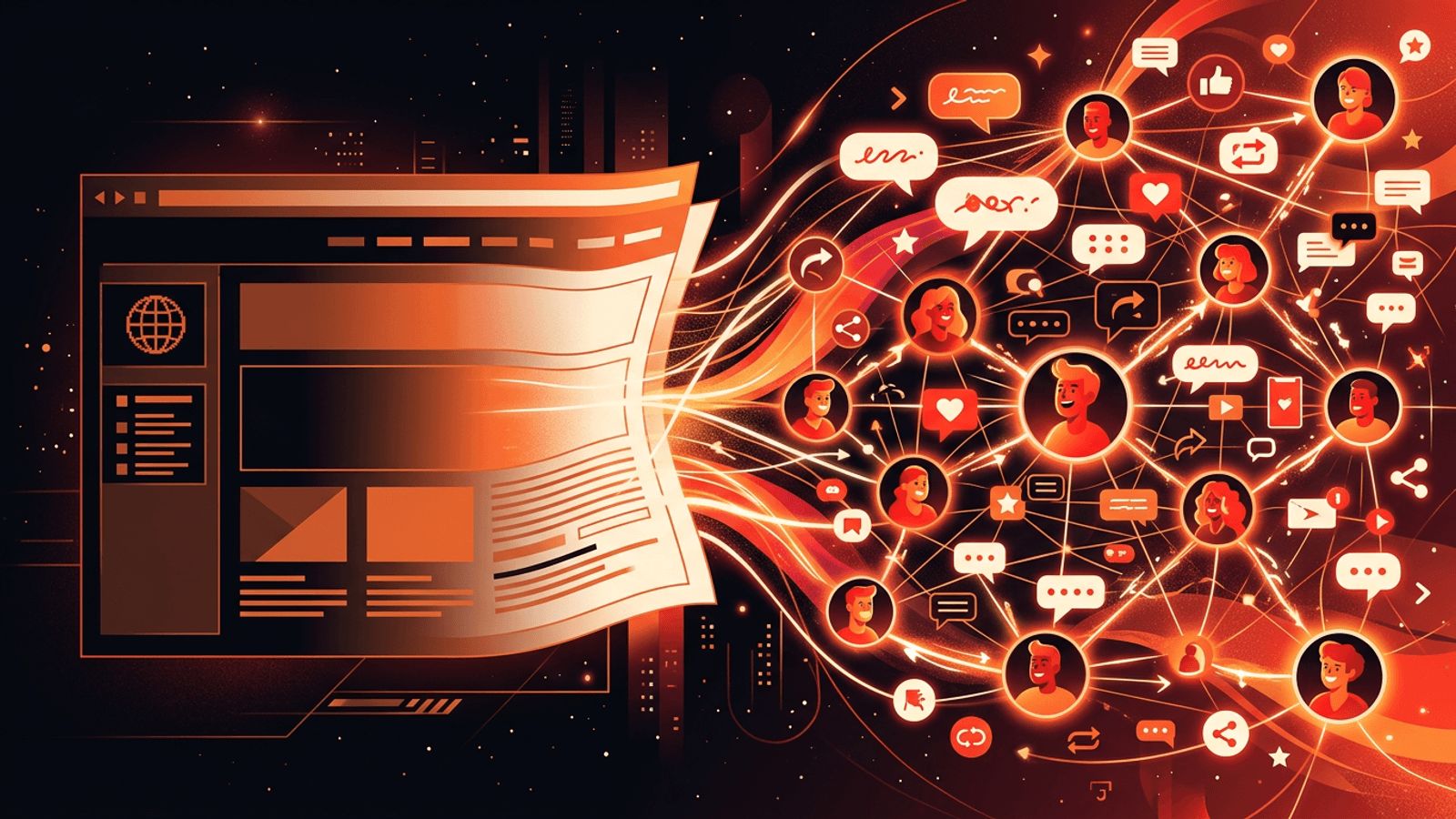
In the early days of the internet, webpages were largely static documents. Visitors could read information, view images, and click links, but there was little opportunity to interact, contribute, or personalize their experience. Then, in the mid-2000s, a major shift known as Web 2.0 transformed the internet into a dynamic, participatory, and social environment. This evolution changed not only how webpages are built but also how people use them every day. In this article, we explore how Web 2.0 changed the way webpages are used and why its influence still shapes modern web design and development.
How AAMAX.CO Builds Modern, Interactive Web Experiences
The interactive, user-centered principles of Web 2.0 remain the foundation of successful websites today. AAMAX.CO is a full service digital marketing company that offers web development, digital marketing, and SEO services worldwide. Their team creates engaging, dynamic websites that encourage interaction, community, and conversion. From responsive design to integrated social features and personalized content, they help businesses deliver the kind of modern experiences users expect. Their website design services combine visual appeal with interactive functionality that keeps visitors engaged.
What Was Web 1.0?
To understand Web 2.0, it helps to look at what came before. Web 1.0, roughly spanning the 1990s to the early 2000s, consisted mostly of static HTML pages created by a small number of publishers. Users were primarily consumers of content rather than contributors. Pages rarely changed, interactivity was limited to basic forms and guestbooks, and design was often simple due to technical constraints and slow internet connections. The web functioned much like a digital library or brochure.
From Reading to Participating
The most significant change brought by Web 2.0 was the shift from passive consumption to active participation. Users could now create and share content themselves through blogs, wikis, forums, video platforms, and social networks. Webpages became platforms for conversation, collaboration, and community. Instead of simply reading articles, people began commenting, rating, reviewing, and sharing content with others. This user-generated content became the driving force of many of the internet's most popular websites.
The Rise of Social Media
Social networking platforms emerged as defining examples of Web 2.0. They allowed users to build profiles, connect with friends, share updates, and discover content through their networks. Webpages became personalized feeds tailored to each user's connections and interests. Social sharing buttons spread across the web, enabling content to go viral in ways that were impossible before. This changed how information traveled and how businesses reached audiences.
Dynamic and Interactive Webpages
Technologies like AJAX allowed webpages to update content without reloading the entire page. This enabled smoother, more app-like experiences, such as interactive maps that could be dragged and zoomed, email clients that updated in real time, and search boxes that offered instant suggestions. Webpages started to feel like software applications rather than documents, setting the stage for today's sophisticated web applications.
Personalization and User Accounts
Web 2.0 popularized user accounts and personalized experiences. Websites began remembering preferences, displaying recommendations, and tailoring content based on behavior. Online stores suggested products based on browsing history, news sites customized feeds, and platforms curated content according to user interests. This personalization made webpages more relevant and engaging, and it established expectations that continue to shape user experience design.
Collaboration and Cloud-Based Tools
Web 2.0 introduced the idea of the web as a platform for productivity. Online document editors, collaborative spreadsheets, and cloud storage allowed people to work together in real time from anywhere. Wikis enabled communities to build vast knowledge bases collaboratively. These tools reduced reliance on desktop software and transformed how teams communicate and work.
New Design Trends
The Web 2.0 era also influenced visual design. Websites embraced cleaner layouts, larger typography, rounded corners, gradients, and bright colors. Design became more user-focused, with an emphasis on usability, readability, and intuitive navigation. Over time, these trends evolved into the flat, minimalist, and responsive design styles common today, but the user-centered philosophy remains a lasting legacy.
New Business Models
Web 2.0 changed how businesses operated online. Advertising models based on user data and engagement became dominant. Software as a service replaced boxed software for many products. E-commerce platforms incorporated reviews and recommendations, increasing trust and sales. Businesses began using social media to engage customers directly, build communities, and gather feedback. Marketing shifted from one-way broadcasting to two-way conversations.
APIs and Interconnected Services
Web 2.0 encouraged openness through application programming interfaces. Websites began sharing data and functionality with others, enabling mashups that combined maps, social feeds, and other services into new experiences. This interconnectedness laid the groundwork for today's ecosystem of integrated apps, third-party logins, and embedded content.
The Lasting Impact on Today's Web
Although terms like Web 3.0 now dominate conversations about the future, the principles of Web 2.0 remain central to how webpages are used. Users still expect interactivity, personalization, social sharing, mobile responsiveness, and real-time updates. Modern frameworks and cloud platforms make these features easier to build, but the expectations were set during the Web 2.0 revolution.
Conclusion
Web 2.0 changed the way webpages are used by transforming them from static documents into interactive, social, personalized, and collaborative experiences. It empowered users to create content, fueled the rise of social media, introduced app-like interactivity, and reshaped business models and design trends. Its influence continues to define user expectations today. Businesses looking to meet those expectations can rely on AAMAX.CO to create modern, engaging websites that keep users coming back.