
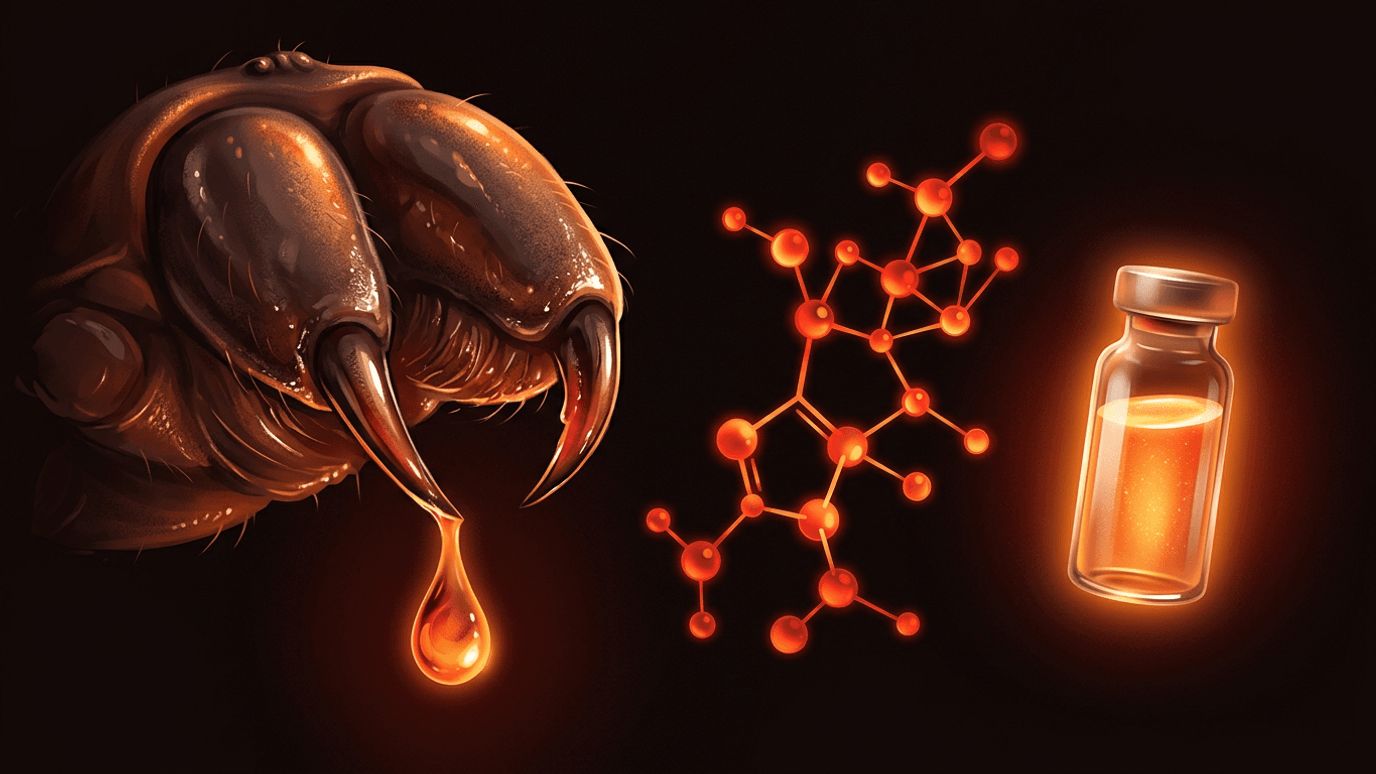
The funnel-web spider has earned a fearsome reputation, and much of that reputation comes from its venom. Historical records describe cases where victims, especially children, died alarmingly quickly after being bitten. Today, the story is very different thanks to antivenom and effective first aid. Understanding how funnel-web venom works and how long it historically took to become fatal helps put the danger into perspective and highlights why rapid response matters. This article provides general educational information and should not replace professional medical advice; anyone bitten should seek emergency help immediately.
How AAMAX.CO Supports Science and Education Online
Scientific and medical topics deserve websites that present facts clearly and responsibly. AAMAX.CO is a full-service digital marketing company offering web development, digital marketing, and SEO services worldwide. They design and build websites for research institutions, wildlife sanctuaries, museums, and health educators who need to present detailed information in an engaging way. Through their web application development services, they can also create interactive educational tools, species databases, and learning portals that make complex science accessible to everyone.
What Makes Funnel-Web Venom So Dangerous
Funnel-web venom contains a group of neurotoxins known as delta-hexatoxins, historically called atracotoxins. These toxins affect the nervous system by interfering with sodium channels in nerve cells, causing nerves to fire uncontrollably. The result is a cascade of symptoms including muscle spasms, sweating, salivation, rapid heart rate, high blood pressure, and fluid in the lungs. In severe cases, this overstimulation can lead to circulatory collapse.
Interestingly, the venom is particularly toxic to primates, including humans, while many other mammals such as dogs and cats are far less affected. The venom of male Sydney funnel-webs is considered especially potent.
Historical Timelines of Fatal Bites
Before antivenom was introduced, there were 13 recorded deaths attributed to funnel-web spider bites in Australia. The fastest documented death was a small child who died within approximately 15 minutes of being bitten. In adults, deaths typically occurred over a longer period, ranging from a few hours to several days after the bite. The speed depended on factors such as the amount of venom injected, the location of the bite, and the size and health of the person.
Why Children Were at Greater Risk
Children have a smaller body mass, so the same amount of venom produces a higher concentration in their system. This is why the most rapid historical fatalities involved young children, and why bites in children are treated with particular urgency today.
The Turning Point: Antivenom in 1981
In 1981, a team of Australian researchers developed an effective funnel-web antivenom. Since its introduction, there have been no recorded deaths from funnel-web bites. The antivenom neutralizes the venom's toxins, and patients who receive it often show rapid improvement. Antivenom production relies partly on spiders collected by members of the public and delivered to approved collection points, making community participation part of the success story.
Not Every Bite Causes Severe Envenomation
Many funnel-web bites do not result in life-threatening envenomation. Some bites deliver little venom, and only a proportion of cases require antivenom. However, because the severity cannot be predicted at the moment of the bite, every suspected bite must be treated as serious.
Symptoms to Recognize
- Intense pain at the bite site.
- Tingling around the lips and mouth.
- Muscle twitching and spasms.
- Heavy sweating and salivation.
- Nausea and vomiting.
- Rapid pulse and breathing difficulties.
- Confusion or decreased consciousness.
Essential First Aid
Call emergency services immediately. Apply a firm pressure immobilization bandage over the bite and along the entire limb, keep the limb splinted and the person as still as possible, and do not wash the bite site. Never cut the wound or apply a tourniquet. These steps slow the movement of venom through the lymphatic system and buy time for medical treatment.
The Role of Rapid Response
The difference between historical fatalities and today's excellent outcomes lies in time and treatment. Pressure immobilization delays venom spread, ambulances and hospitals are prepared to treat envenomation, and antivenom reverses its effects. Together, these measures have transformed the funnel-web bite from a potentially fatal event into a highly treatable emergency.
Staying Safe
Prevention remains the best protection. Wear gloves when gardening, check shoes and clothing left outdoors, be cautious around pools in warm weather, and never handle spiders. Educating family members about first aid ensures everyone knows what to do if a bite occurs.
Venom Research and Medical Discoveries
Funnel-web venom is not only dangerous; it is also scientifically valuable. Researchers study its complex mixture of peptides to understand how nerve signals work. Some venom compounds from Australian funnel-web species have been investigated for potential medical applications, including protecting brain and heart tissue during strokes and heart attacks. This research shows how a feared creature may one day contribute to life-saving treatments.
Conclusion
Historically, funnel-web venom could kill a small child in as little as about 15 minutes, while adult fatalities typically occurred over hours to days. Since antivenom became available in 1981, there have been no recorded deaths. Rapid first aid, emergency care, and antivenom make funnel-web bites highly survivable today, but they must always be treated as emergencies.