
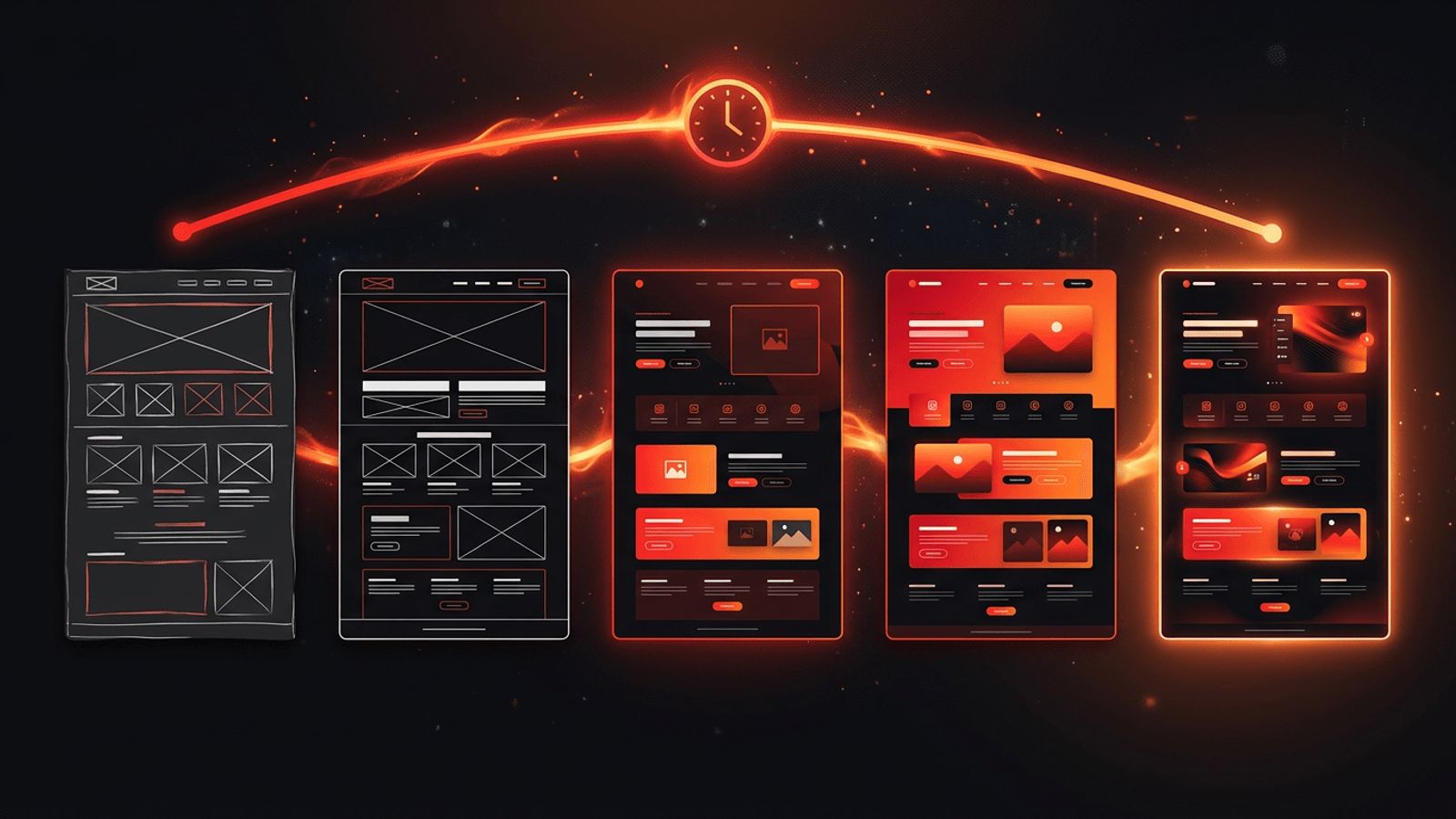
When businesses plan a new website or redesign, timing is often as important as budget. Product launches, marketing campaigns, and seasonal sales all depend on a site being ready on schedule. So, how long does web design take? For most small to medium business websites, the design phase alone typically takes four to twelve weeks, while complex, custom designs for larger organizations can take three months or more. The timeline depends on the number of pages, the complexity of features, the number of revision rounds, and how quickly content and feedback are provided. This article breaks down the web design process and offers practical tips to keep your project moving smoothly.
Streamline Your Web Design Project With AAMAX.CO
An experienced agency with a proven process can significantly reduce delays and uncertainty. AAMAX.CO is a full service digital marketing company providing web development, digital marketing, and SEO services worldwide. Their designers follow a structured workflow that includes discovery, wireframing, visual design, and collaborative revisions, ensuring projects stay on track and aligned with business goals. Because they integrate design with SEO and marketing strategy, their clients receive websites that are visually compelling and built to perform.
Stage One: Discovery and Research (1 to 2 Weeks)
Every web design project begins with understanding the business. Designers meet with stakeholders to discuss goals, target audiences, competitors, brand identity, and must-have features. They may review analytics from an existing website to identify pain points and opportunities. The outcome of this stage is a clear project brief and sitemap that defines the scope and structure of the new site.
Stage Two: Wireframing and Information Architecture (1 to 2 Weeks)
Wireframes are simplified layouts that focus on structure rather than visual detail. They show where content, navigation, images, and calls to action will appear on each page. This stage allows stakeholders to approve the user flow and content hierarchy before investing in high-fidelity visuals. Making structural changes at this point is quick and inexpensive compared with later stages.
Stage Three: Visual Design and Mockups (2 to 4 Weeks)
Once wireframes are approved, designers create detailed mockups that bring the brand to life. They select typography, color palettes, imagery, icons, and interactive elements. Typically, the homepage is designed first to establish the visual direction, followed by key interior templates such as service pages, product pages, and blog layouts. Designs are created for desktop, tablet, and mobile views to ensure a seamless responsive experience.
Stage Four: Revisions and Approval (1 to 3 Weeks)
Revisions are a natural part of the design process. Most agencies include a set number of revision rounds in their contracts. The speed of this stage depends largely on how quickly stakeholders provide consolidated, clear feedback. Projects with many decision makers or conflicting opinions can stall here, so appointing a single point of contact is highly recommended.
Stage Five: Design Handoff and Development Preparation (Less Than 1 Week)
After final approval, designers prepare assets and documentation for developers. This includes design system components, style guides, interaction specifications, and exported images. A smooth handoff prevents misunderstandings and ensures the final website matches the approved designs precisely.
Factors That Influence the Web Design Timeline
The number of unique page templates has a direct impact on design time. A five-page brochure site requires far less work than an e-commerce store with dozens of templates and product variations. Custom illustrations, animations, and interactive features add time. Content readiness is another major factor; designing without final copy and images often leads to rework. Finally, the responsiveness of the client during feedback rounds can either keep the project on schedule or extend it by weeks.
Typical Timelines by Website Type
A simple landing page usually takes one to two weeks to design. A small business website with five to ten pages generally takes three to six weeks. A medium-sized corporate website with custom features may take six to ten weeks. Large e-commerce or enterprise websites, especially those requiring extensive user research and design systems, can take three months or longer for the design phase alone.
How to Keep Your Web Design Project on Schedule
Prepare your content early, including copy, photos, logos, and brand guidelines. Gather examples of websites you admire to communicate your preferences clearly. Assign one decision maker to consolidate feedback from your team. Respond to design reviews promptly and be specific about requested changes. Finally, trust your designer's expertise; they understand usability principles and industry best practices that can help your website succeed.
Conclusion
Web design typically takes four to twelve weeks for most business websites, with timelines influenced by scope, content readiness, and feedback speed. Understanding each stage helps you plan effectively and avoid unnecessary delays. Once your design is approved, partnering with a skilled team for website development ensures your vision is translated into a fast, functional, and search-friendly website.