
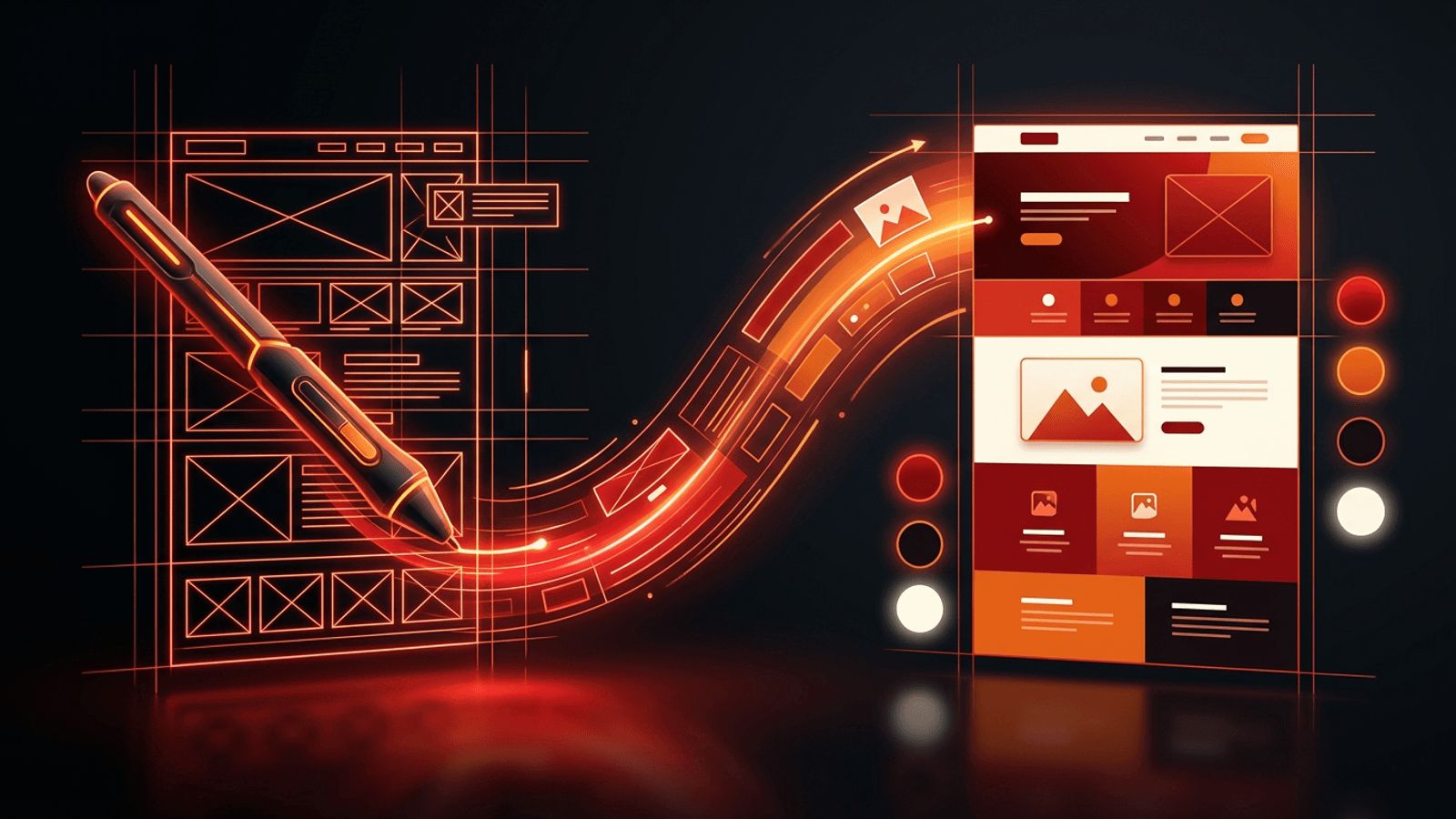
Web design is a field that rewards continuous growth. Tools change, user expectations rise, and new devices appear every year. The designers who stand out are not necessarily the ones with the most natural talent, but the ones who deliberately work to improve their craft. Becoming a better web designer means strengthening your understanding of fundamentals, learning to see through the eyes of users, collaborating effectively with developers and stakeholders, and creating work that solves real problems rather than simply looking attractive. This guide shares practical strategies you can apply immediately to raise the quality of your designs and the value you bring to every project.
Learn from the Professionals at AAMAX.CO
One of the best ways to understand high-quality design is to see how experienced teams work. AAMAX.CO is a full-service digital marketing company that offers web development, digital marketing, and SEO services worldwide. Their designers blend aesthetics with usability, conversion strategy, and search optimization to create websites that perform as well as they look. Businesses that need professional website design can rely on them for research-driven layouts, consistent design systems, and polished interfaces that strengthen brand credibility and help turn visitors into customers.
Master the Fundamentals
Trends come and go, but design fundamentals remain constant. Study visual hierarchy, which guides the eye to the most important elements first. Learn how contrast, alignment, repetition, and proximity create order and clarity. Develop a strong grasp of typography, including type scales, line length, line height, and font pairing, since text makes up most of the web. Understand color theory and how to build palettes that are both on-brand and accessible. When fundamentals are second nature, you can make confident decisions quickly and break rules intentionally when it serves the design.
Design for Users, Not Yourself
Better designers start with people. Before opening a design tool, learn who the users are, what they want to accomplish, and what frustrates them. Conduct interviews, review analytics, study support requests, and observe people using existing products. Create simple personas and user journeys to keep real needs at the center of decisions. Validate ideas with usability testing, even informally with a handful of participants. Watching someone struggle with an interface you thought was obvious is one of the fastest ways to grow.
Prioritize Accessibility
Accessible design ensures that people with visual, motor, auditory, and cognitive disabilities can use websites effectively. Learn the Web Content Accessibility Guidelines and apply them from the start. Check color contrast, design clear focus states, ensure tap targets are large enough, avoid relying on color alone to convey meaning, and write descriptive labels and link text. Accessibility improvements usually benefit everyone, making interfaces clearer and easier to use in all conditions.
Understand How the Web Works
You do not need to be a developer, but understanding HTML, CSS, and basic JavaScript makes you a far more effective web designer. Knowing how layouts flow, how responsive breakpoints behave, and what is technically expensive helps you create designs that can be built faithfully and efficiently. It also improves collaboration, since you can speak the same language as developers and anticipate implementation challenges.
Think in Systems
Instead of designing each page from scratch, build reusable components and design tokens for colors, spacing, typography, and elevation. A design system ensures consistency, speeds up production, and makes it easier to scale a website over time. Document how components should be used and the states they can have, such as hover, focus, disabled, error, and loading. Systems thinking is a hallmark of mature, professional designers.
Focus on Content and Clarity
Design exists to communicate. Work with real content as early as possible rather than placeholder text, because actual headlines, images, and data reveal layout problems that dummy content hides. Simplify wherever you can by removing unnecessary elements, reducing choices, and making calls to action unmistakable. Clarity beats cleverness when users are trying to complete a task.
Seek Feedback and Critique
Feedback accelerates growth. Share work in progress with peers, mentors, and design communities, and learn to separate personal feelings from professional critique. Ask specific questions about what is working and what is not. Regularly review your own past projects to identify patterns you want to change. Over time, you will develop sharper instincts and a more reliable eye for detail.
Study Great Work and Stay Curious
Analyze well-designed websites and ask why they work. Look at spacing, typography, interaction patterns, and how they guide users toward goals. Explore other disciplines such as architecture, print design, and product design for inspiration. Read books, follow respected designers, and experiment with new tools, but avoid chasing trends without understanding their purpose.
Measure the Impact of Your Designs
Better designers care about outcomes. Learn to read analytics, heatmaps, and conversion data, and collaborate with marketing teams on A/B tests. Understanding how your designs affect sign-ups, sales, and engagement helps you make evidence-based decisions and demonstrate your value to clients and employers.
Conclusion
Becoming a better web designer is a continuous journey. Strengthen your fundamentals, design with users and accessibility in mind, understand the technology behind the web, think in systems, and actively seek feedback. Measure the results of your work and stay curious about the world around you. With consistent effort, your designs will become clearer, more effective, and more valuable with every project.