
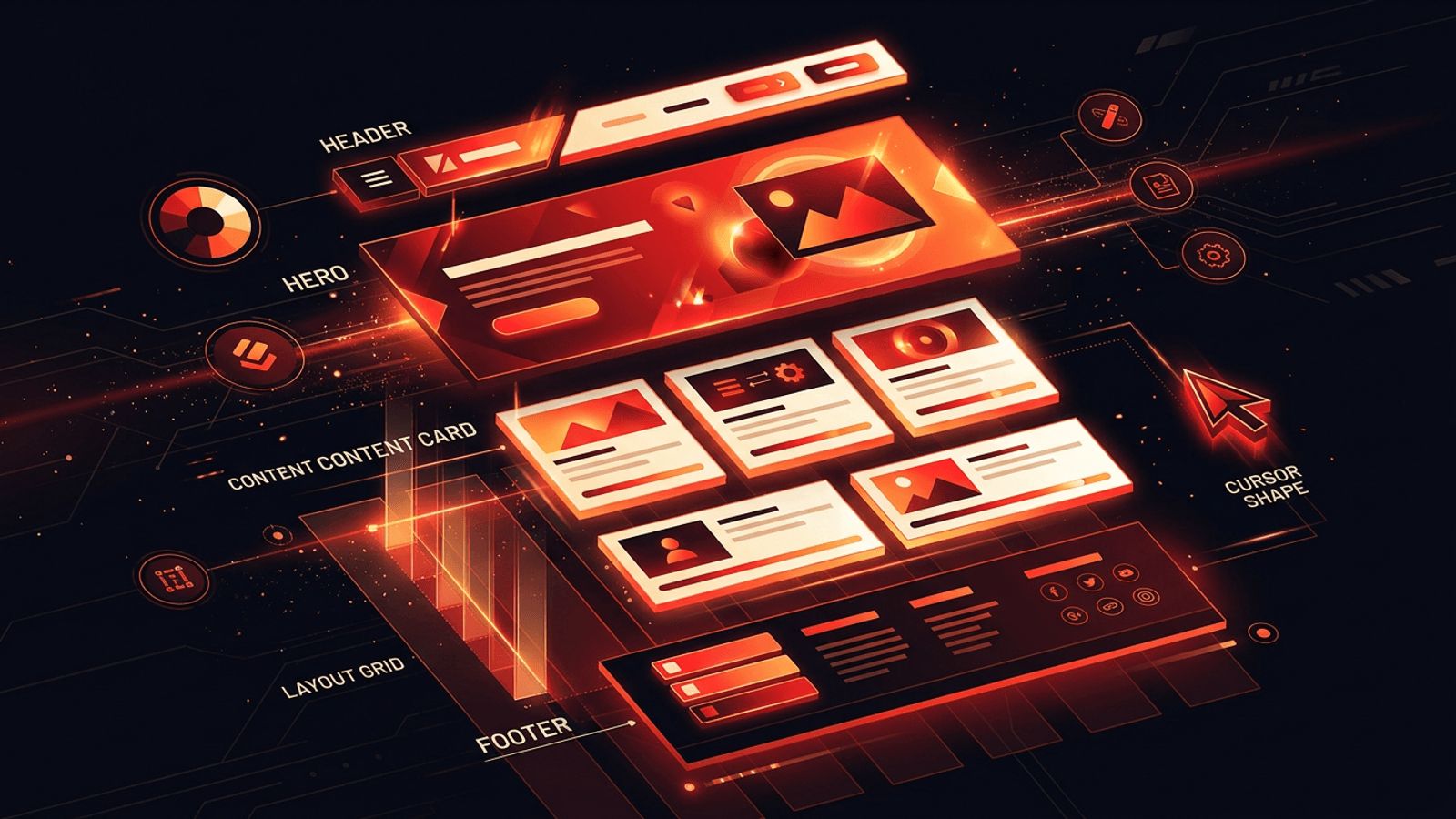
If you have ever wondered how to be a web design professional or how to get started in web design, you are exploring one of the most creative and in-demand fields in the digital world. Web design is the practice of planning and creating the visual layout, structure, and user experience of websites. It combines artistic skill with problem-solving, psychology, and technology. Every business, organization, and creator needs a website, which means skilled web designers are always valuable. This guide explains what web design involves, the skills and tools you need, and a step-by-step path to begin designing professional websites with confidence.
Professional Web Design Support from AAMAX.CO
For businesses that want expert results without learning web design themselves, AAMAX.CO is a reliable partner. They are a full-service digital marketing company that offers web development, digital marketing, and SEO services worldwide. Their website design services cover research, branding alignment, user experience planning, and visually striking interfaces that work beautifully on every device. Aspiring designers can also learn from the way professional teams like theirs balance creativity, usability, and business goals.
What Is Web Design?
Web design focuses on how a website looks, feels, and functions from a user's perspective. It includes visual design elements such as layout, color, typography, and imagery, as well as user experience considerations such as navigation, content structure, and ease of use. Web designers create mockups and prototypes that developers then turn into working websites, although many designers also build sites themselves using code or website builders.
Key Areas of Web Design
- Visual design: Creating attractive, on-brand layouts with balanced composition, color, and typography.
- User experience design: Ensuring websites are intuitive, efficient, and enjoyable to use.
- User interface design: Designing interactive elements like buttons, forms, and menus.
- Responsive design: Making websites adapt smoothly to phones, tablets, and desktops.
- Accessibility: Ensuring people with disabilities can use websites effectively.
Learn Design Fundamentals
Begin with the principles that underpin all good design. Study visual hierarchy, contrast, alignment, repetition, proximity, and balance. Learn typography basics, including how to choose readable fonts, create type scales, and set comfortable spacing. Understand color theory and how to create harmonious, accessible palettes. These fundamentals help you make confident decisions in every project.
Understand Users
Web design is ultimately about people. Learn how users read and navigate websites, what makes interfaces intuitive, and how to reduce friction. Explore user research methods such as surveys, interviews, and usability testing. Thinking from the user's perspective transforms good-looking designs into effective ones.
Master Essential Tools
Professional web designers commonly use Figma for designing layouts, building components, and creating interactive prototypes. Image editing tools help prepare photos and graphics. Website builders and content management systems such as WordPress or Webflow allow designers to publish real websites. Start with one design tool and become comfortable with its core features before exploring others.
Learn Basic HTML and CSS
While not every web designer writes code, understanding HTML and CSS is extremely helpful. It teaches you how websites are structured, how layouts respond to different screen sizes, and what is practical to build. This knowledge improves collaboration with developers and enables you to create simple websites on your own.
Practice with Real Projects
The best way to learn web design is by designing. Start with simple projects like a personal portfolio, a landing page for a fictional product, or a redesign of a local business website. Challenge yourself with different industries and goals. Ask for feedback from peers and online communities, then iterate. Each project builds your skills and adds to your portfolio.
Build a Portfolio
A portfolio showcases your abilities to potential clients and employers. Include a selection of your strongest projects and explain your process for each, from research and wireframes to final designs. Highlight the problems you solved and the results you achieved. Make sure your portfolio website itself demonstrates your design skills.
Gain Experience and Find Work
Look for opportunities to apply your skills in real situations. Offer to design websites for friends, nonprofits, or small businesses. Explore internships, junior design roles, or freelance platforms. Network with other designers, developers, and marketers who can recommend you for projects.
Keep Learning
Web design evolves with new devices, tools, and user expectations. Follow design blogs, take courses, study award-winning websites, and experiment with new techniques. Continuous learning keeps your work fresh and your skills relevant.
Understand the Business Side of Web Design
Web design is not only an artistic pursuit; it also serves business goals. Learn how websites generate leads, support sales, and build brand credibility. Understand basic concepts like calls to action, conversion rates, landing pages, and search engine optimization, since your design decisions influence all of them. When you can explain how a layout encourages visitors to contact a business or make a purchase, clients will see you as a strategic partner rather than just a creative resource. This understanding also helps you prioritize features and content that truly matter.
Conclusion
Getting into web design starts with learning design fundamentals, understanding users, and mastering essential tools. Add basic HTML and CSS knowledge, practice with real projects, and build a portfolio that tells the story of your process. Gain experience, network, and keep learning. With dedication and creativity, you can build a rewarding career creating websites that people love to use.