
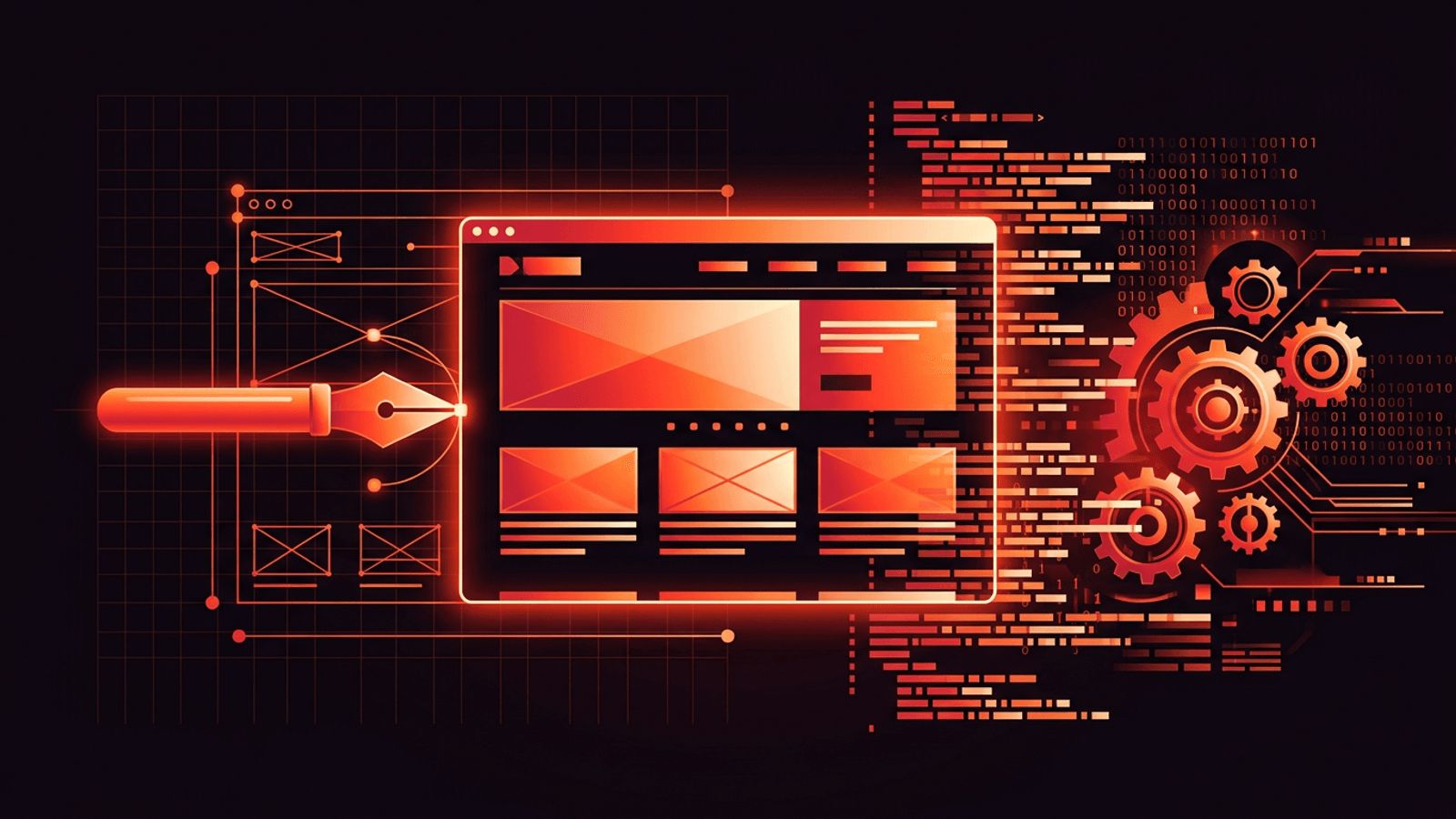
Web designers and web developers have traditionally occupied separate roles. Designers focus on how a website looks and feels, while developers focus on how it works. However, professionals who can do both are increasingly valuable. A web designer and developer can take a project from initial concept to fully functioning website, bridging the gap between creativity and technology. This hybrid skill set is especially attractive to startups, small businesses, and agencies that need versatile team members, and it gives freelancers the ability to deliver complete solutions independently. This guide explains how to become both a web designer and developer, including the skills to learn, how to balance both disciplines, and how to market your combined expertise.
Complete Design and Development Services from AAMAX.CO
AAMAX.CO is a full-service digital marketing company that offers web development, digital marketing, and SEO services worldwide. Their team integrates creative design with technical development, ensuring every website is visually compelling and built to perform. From concept and website design to website development, launch, and optimization, they provide seamless end-to-end execution for businesses that want design and engineering working in perfect harmony.
Why Combine Design and Development?
Professionals who understand both disciplines make better decisions. Designers who code create layouts that are practical to build and take advantage of the web's capabilities. Developers who understand design implement interfaces with greater fidelity and attention to detail. Combining both skill sets reduces miscommunication, speeds up projects, and allows you to deliver complete websites without depending on others.
Learn Design Fundamentals
Start with the principles of visual design: hierarchy, alignment, contrast, spacing, color, and typography. Study user experience concepts such as information architecture, user flows, and usability. Learn responsive and mobile-first design, and familiarize yourself with accessibility guidelines. Practice using a design tool like Figma to create wireframes, mockups, and prototypes.
Learn Front End Development
Next, learn how to turn designs into working websites. Master HTML for semantic structure, CSS for styling and layout with Flexbox and Grid, and JavaScript for interactivity. Learn a modern front end framework such as React or Vue, and explore utility-first CSS frameworks that speed up implementation. Understanding performance optimization and accessibility in code ensures your designs work well for every user.
Add Back End and CMS Skills
To deliver complete websites, learn how to work with content management systems such as WordPress, headless CMS platforms, or site builders. Basic back end knowledge, including server-side languages, databases, APIs, and authentication, enables you to build dynamic features like contact forms, user accounts, and e-commerce functionality. You do not need to become a back end specialist, but foundational skills greatly expand what you can offer.
Develop an Integrated Workflow
Combining design and development requires an efficient workflow. Begin with discovery and research, create wireframes to define structure, design high-fidelity mockups, and then build the site using reusable components. Establish design tokens for colors, typography, and spacing that translate directly into code. Prototyping in the browser can sometimes replace static mockups, allowing faster iteration.
Balance Your Learning
Learning two disciplines can feel overwhelming. Alternate between design and development projects, or combine them by designing and building the same project. Focus on depth in core skills rather than chasing every tool. Over time, you may naturally lean toward one area, which is fine; the goal is fluency in both, not perfection.
Build a Hybrid Portfolio
Your portfolio should demonstrate both design and development abilities. Showcase projects you designed and built, including live links and code repositories. Explain your design decisions, technical challenges, and results in case studies. A portfolio that shows the full journey from concept to launch is highly persuasive to clients and employers.
Market Your Combined Expertise
Position yourself as a professional who can deliver complete web solutions. Highlight benefits such as faster timelines, consistent quality, and seamless communication. Target clients who value end-to-end service, such as small businesses, startups, and agencies seeking versatile contributors. Your unique skill set can justify higher rates and attract more diverse opportunities.
Collaborate When Needed
Even hybrid professionals benefit from collaboration. For large or complex projects, partner with specialists in areas like advanced back end engineering, copywriting, or SEO. Knowing when to collaborate ensures high-quality results and expands your professional network.
Keep Growing
Both design and development evolve rapidly. Follow industry trends, take courses, participate in communities, and experiment with new tools. Seek feedback from designers and developers alike to improve continuously in both disciplines.
Conclusion
Becoming a web designer and developer means mastering design fundamentals, front end development, and enough back end and CMS knowledge to build complete websites. Develop an integrated workflow, balance your learning, and build a portfolio that showcases end-to-end projects. Market your combined expertise confidently and keep growing. This versatile skill set opens doors to exciting opportunities and allows you to bring ideas to life from start to finish.