
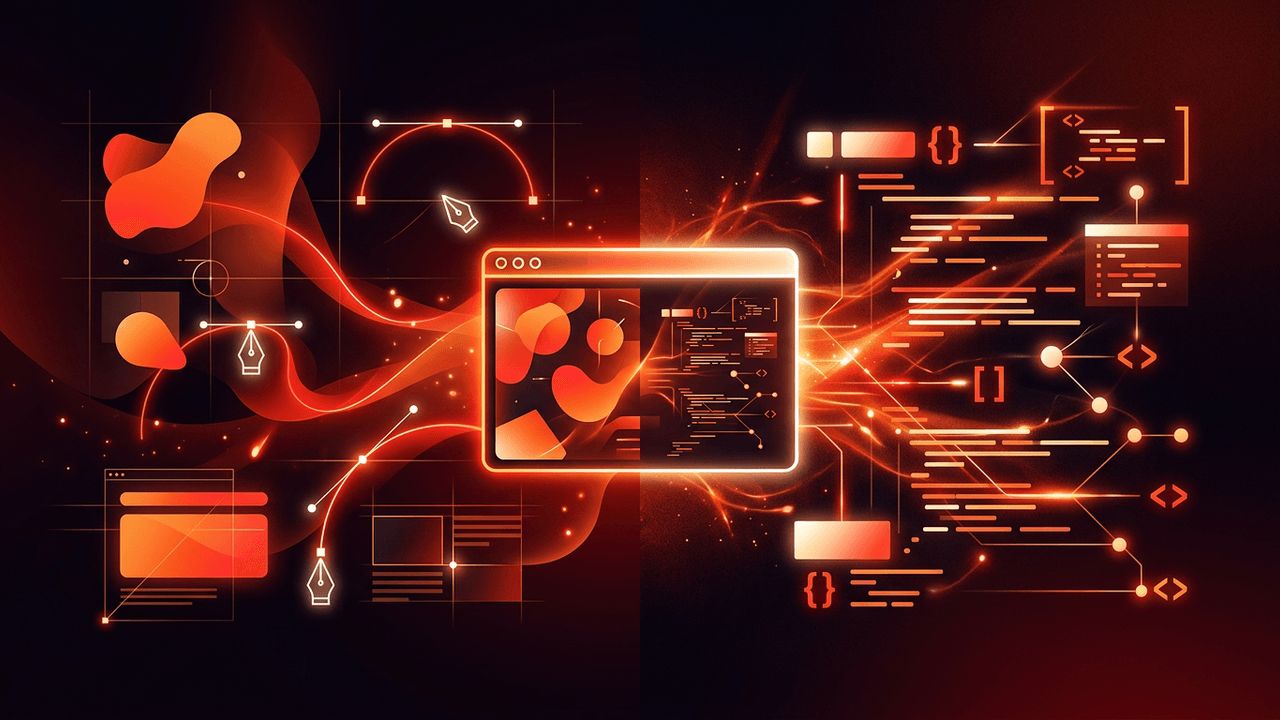
The web has matured into a space where beautiful visuals and solid engineering are expected to live side by side. Businesses no longer want a gorgeous mockup that cannot be built, or a fast website that looks outdated. That is why professionals who can both design and develop are in such high demand. A web developer and designer understands how users think, how layouts guide attention, and how code turns those ideas into fast, accessible, and maintainable experiences. In this guide, you will learn exactly how to build that hybrid skill set, which tools to master, and how to position yourself for long-term success in this exciting career.
Why Businesses Trust AAMAX.CO for Design and Development
Before diving into the roadmap, it is worth noting how professional agencies approach this blend of disciplines. AAMAX.CO is a full-service digital marketing company that offers web development, digital marketing, and SEO services to clients worldwide. Their team brings designers and developers together under one roof, so every project benefits from thoughtful visuals and clean, scalable code. If you are a business owner who needs results now rather than after years of learning, hiring them for professional website design gives you a polished, conversion-focused site while you focus on running your company. For aspiring professionals, studying how they combine strategy, design, and engineering is a great model to follow.
Understand the Two Sides of the Craft
Web design focuses on how a website looks and feels. It covers layout, typography, color, imagery, spacing, and the overall user experience. Web development focuses on how a website works. It covers HTML structure, CSS styling, JavaScript interactivity, performance, and often the server side as well. A hybrid professional must appreciate both perspectives. Designers who understand code create layouts that are realistic to build, while developers who understand design write interfaces that feel intentional rather than mechanical.
The key mindset shift is to stop seeing design and development as separate phases. Instead, treat them as a continuous loop where visual decisions inform technical choices and technical constraints inspire creative solutions.
Master the Design Fundamentals
Start with the principles that never go out of style. These fundamentals will make every project you touch look more professional.
- Visual hierarchy: Use size, weight, color, and position to show users what matters most.
- Typography: Learn to pair fonts, set readable line lengths, and build consistent type scales.
- Color theory: Build limited, accessible palettes with enough contrast for all users.
- Grids and spacing: Use consistent spacing systems so layouts feel balanced and calm.
- User experience: Think about user goals, navigation paths, and friction points.
Tools like Figma make it easy to practice these ideas. Recreate websites you admire, then try to improve them. This builds your eye for detail faster than reading theory alone.
Learn the Core Development Stack
On the development side, every web professional must be fluent in three languages. HTML gives content structure and meaning. CSS controls layout, color, and responsiveness. JavaScript adds interactivity and dynamic behavior. Once you are comfortable with these, explore a modern framework such as React or Vue, and learn utility-first styling with Tailwind CSS, which pairs naturally with design systems.
You should also learn version control with Git, basic command line usage, and how to deploy a site to a hosting platform. These practical skills turn your projects from local experiments into real, shareable work.
Bridge the Gap With Design Systems
Design systems are where designers and developers meet. A design system is a library of reusable components, tokens, and guidelines that keeps a product consistent. As a hybrid professional, you can design components in Figma and then implement them as coded components with matching spacing, colors, and states. This dual ownership makes you incredibly valuable to teams because you eliminate the miscommunication that usually happens during handoff.
Build a Portfolio That Shows Both Skills
Your portfolio must prove you can do both jobs. For each project, show your process from research and wireframes to high-fidelity mockups and the final live website. Link to the deployed site and the code repository. Explain the problems you solved and the decisions you made. Hiring managers and clients love case studies that reveal thinking, not just pretty screenshots.
- Include at least three complete projects from concept to launch.
- Show responsive versions for mobile, tablet, and desktop.
- Highlight performance and accessibility improvements you made.
- Make your own portfolio site a showcase of your design and coding ability.
Develop Essential Soft Skills
Technical skill alone will not carry your career. Communication is critical because you will explain design choices to clients and technical limits to stakeholders. Time management matters because hybrid roles involve juggling many tasks. Empathy helps you design for real users rather than for yourself. Finally, a habit of receiving feedback gracefully will help you improve faster than any course.
Keep Learning and Stay Current
The web changes quickly. New CSS features, frameworks, and design trends appear every year. Follow reputable blogs, join design and developer communities, and set aside time each week for learning. Experiment with new techniques on personal projects before using them on client work. Continuous learning keeps your skills sharp and your portfolio fresh.
Choose Your Career Path
Once you have the skills, you can work as an in-house product designer-developer, join a digital agency, or freelance for clients directly. Each path has benefits. In-house roles offer stability and deep product focus. Agencies offer variety and fast skill growth. Freelancing offers freedom and higher earning potential once you build a reputation. Many professionals move between these paths over time as their goals change.
Conclusion
Becoming a web developer and designer is one of the most rewarding paths in the digital industry. By mastering design fundamentals, learning the core development stack, embracing design systems, and building a portfolio that tells the full story, you position yourself as a rare and valuable professional. Stay curious, keep building, and remember that every great website is the result of design and development working in harmony.