
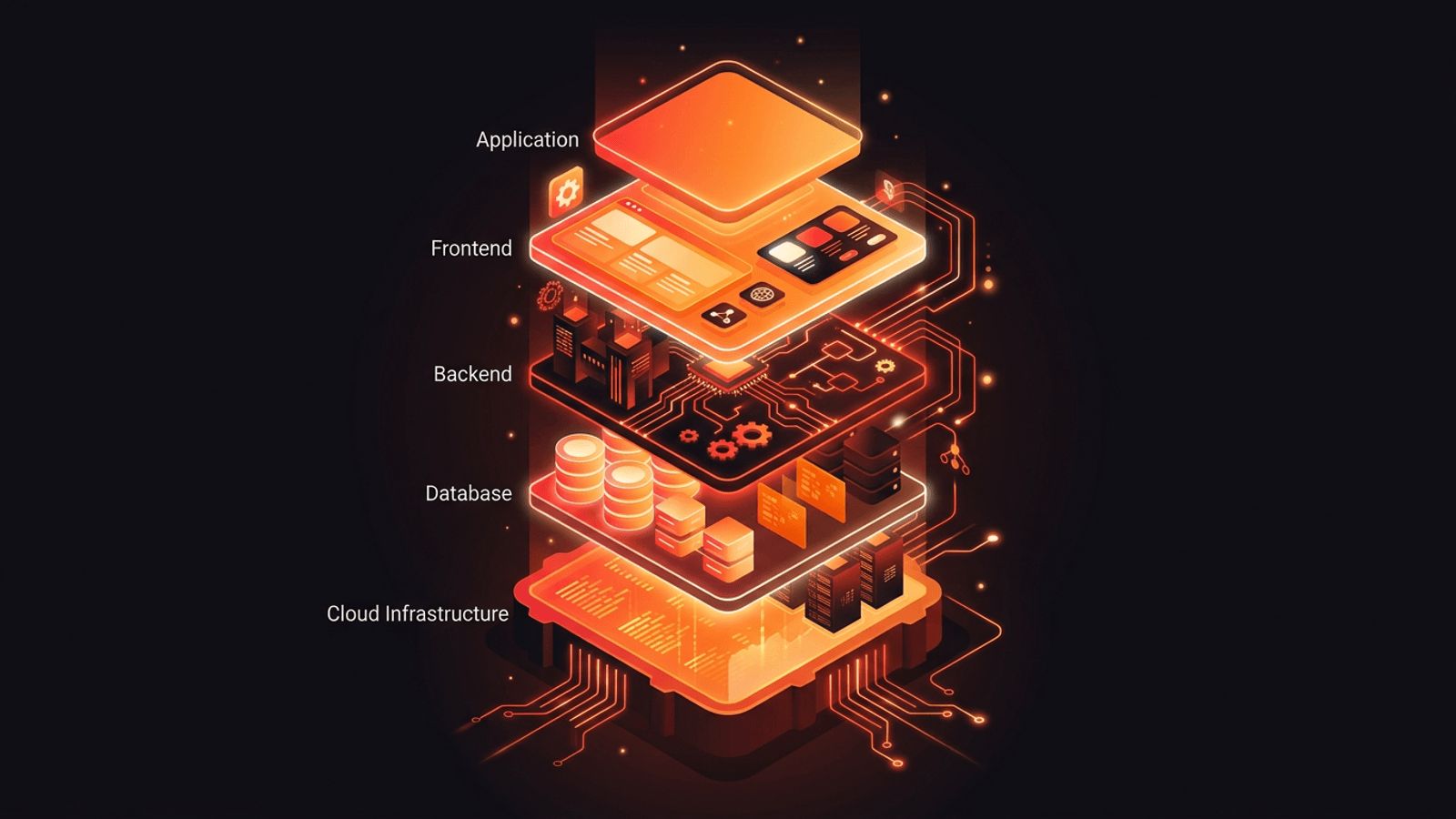
Every web application is built on a technology stack, the collection of programming languages, frameworks, databases, servers, and tools that work together to deliver its functionality. The stack you choose shapes how quickly your team can build features, how well the application performs under load, how secure it is, and how much it costs to maintain. A poor choice can lead to performance bottlenecks, hiring difficulties, and expensive rewrites. A thoughtful choice provides a stable foundation for years of growth. This guide explains how to choose a technology stack for web application development by breaking down each layer and the factors that should guide your decision.
How AAMAX.CO Designs Technology Stacks That Scale
Selecting a stack requires balancing business goals with technical realities. AAMAX.CO is a full service digital marketing company that offers web development, digital marketing, and SEO services worldwide. Their engineering team evaluates each project's requirements, budget, and growth plans before recommending frontend frameworks, backend languages, databases, and cloud infrastructure. Through their web application development services, they build applications on proven, modern stacks that deliver strong performance, security, and maintainability for their clients.
Understand the Layers of a Technology Stack
A typical web application stack includes several layers. The frontend, or client side, is what users see and interact with, built with HTML, CSS, JavaScript, and frameworks such as React, Vue, Angular, or Svelte. The backend, or server side, handles business logic, authentication, and data processing using languages like Node.js, Python, PHP, Java, C#, or Go. The database layer stores information in systems like PostgreSQL, MySQL, MongoDB, or Redis. Finally, infrastructure and DevOps tools manage hosting, deployment, monitoring, and scaling through platforms such as AWS, Google Cloud, Azure, or Vercel.
Define Your Project Requirements First
Start with what your application must do. Identify core features, expected traffic, data complexity, real-time needs, integrations, and compliance requirements. A simple internal dashboard has different needs from a high-traffic marketplace or a healthcare platform handling sensitive data. Consider your timeline and budget as well. Clear requirements prevent you from choosing trendy technologies that do not actually solve your problems.
Choosing the Frontend Framework
React is the most widely used frontend library, supported by a massive ecosystem and meta-frameworks like Next.js that add server rendering and routing. Vue offers a gentle learning curve and excellent documentation, while Angular provides a comprehensive, opinionated framework favored by large enterprises. Svelte compiles components into highly efficient JavaScript for exceptional performance. Consider developer availability, performance needs, SEO requirements, and the complexity of your user interface when making your choice.
Choosing the Backend Technology
The backend handles the heavy lifting. Node.js allows JavaScript across the entire stack and excels at real-time, event-driven applications. Python with Django or FastAPI is ideal for data-intensive applications and AI integrations. PHP with Laravel delivers rapid development for content and e-commerce platforms. Java with Spring and C# with .NET are trusted for large enterprise systems requiring strict reliability. Go offers outstanding performance for microservices and high-concurrency APIs. Choose based on performance needs, team expertise, and ecosystem maturity.
Selecting the Right Database
Relational databases like PostgreSQL and MySQL are excellent for structured data with clear relationships, such as orders, users, and inventory. They offer strong consistency and powerful querying. NoSQL databases like MongoDB handle flexible, document-based data, while Redis provides lightning-fast caching and session storage. Many modern applications combine multiple databases, using each for what it does best. Consider data structure, query patterns, scalability, and consistency requirements.
Plan Your Infrastructure and Deployment
Infrastructure decisions affect cost, performance, and reliability. Cloud providers offer virtually unlimited scalability, managed databases, and global data centers. Platform-as-a-service options and serverless environments reduce operational overhead by handling servers for you. Containers with Docker and orchestration with Kubernetes provide flexibility for complex systems. Continuous integration and deployment pipelines automate testing and releases, enabling faster, safer updates.
Consider Scalability From the Start
Even if your application starts small, plan for growth. Choose technologies that support horizontal scaling, caching, load balancing, and efficient database queries. A modular architecture makes it easier to scale specific components independently. While premature optimization should be avoided, selecting a stack that can scale prevents painful migrations when success arrives.
Weigh Developer Experience and Talent Availability
Your stack must be maintained by real people. Popular technologies have larger talent pools, more learning resources, and active communities that solve problems quickly. Consider your current team's expertise and how easily you can hire additional developers. Good developer experience, including strong documentation, tooling, and testing frameworks, boosts productivity and code quality.
Evaluate Security and Total Cost of Ownership
Security features should be built into every layer, from framework-level protections to database encryption and secure hosting. Consider total cost of ownership, including licensing, hosting, maintenance, and developer salaries. Open-source technologies often reduce licensing costs, while managed services can lower operational expenses. Balance upfront development costs with long-term sustainability.
Final Thoughts
Learning how to choose a technology stack for web application development helps you build products that perform, scale, and last. Start with clear requirements, then evaluate frontend frameworks, backend technologies, databases, and infrastructure based on performance, scalability, talent availability, security, and cost. With a well-chosen stack and an experienced team, your web application will have the foundation it needs to succeed.