
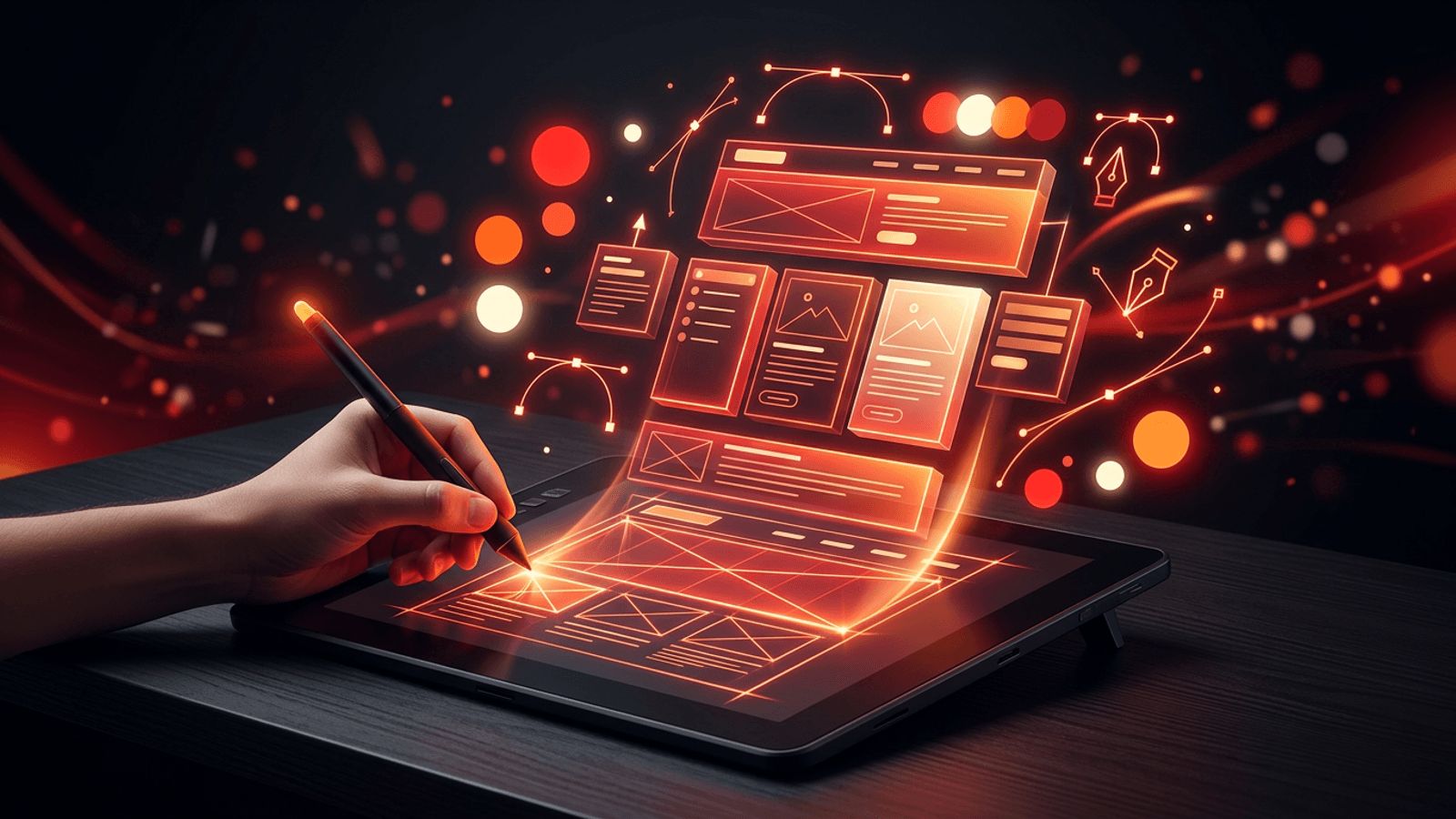
Web design is a dynamic career that blends creativity, technology, and psychology. Web designers shape how people experience brands online, influencing everything from first impressions to purchase decisions. If you have an eye for visual communication and enjoy solving problems, becoming a web designer can be a fulfilling path. This guide explains how to get started as a web designer, from building foundational skills to landing your first role or client.
How AAMAX.CO Approaches Professional Web Design
Aspiring designers can learn a great deal from how professional teams work. AAMAX.CO is a full-service digital marketing company offering web development, digital marketing, and SEO services worldwide. Their design process blends brand strategy, user experience research, and visual craftsmanship to create websites that are both attractive and effective. For businesses, they offer the advantage of having designers, developers, and marketers collaborating together, ensuring every design decision supports measurable results.
Understand What Web Designers Do
Web designers plan the visual layout, structure, and user experience of websites. Their responsibilities often include creating wireframes, designing page layouts, selecting typography and color schemes, designing interface elements, and ensuring websites are responsive and accessible. Some designers focus purely on visual and UX design, while others also build websites using code or no-code tools. Understanding these roles helps you decide where to focus your learning.
Learn Core Design Principles
Strong design fundamentals separate professionals from hobbyists. Study visual hierarchy, contrast, alignment, balance, whitespace, and consistency. Learn color theory to create harmonious palettes and typography principles to ensure readability and personality. Understanding grid systems helps you create organized, scalable layouts. These principles apply regardless of tools or trends.
Study User Experience and Accessibility
Great web design is not just about aesthetics; it is about usability. Learn user experience basics, including user research, personas, user flows, information architecture, and usability testing. Accessibility is equally important. Following guidelines such as WCAG ensures websites can be used by people with disabilities, which is both an ethical responsibility and often a legal requirement.
Master Industry-Standard Tools
Figma has become the leading tool for web and interface design, offering collaborative design, prototyping, and design systems. Familiarity with Adobe tools like Photoshop and Illustrator remains useful for image editing and graphics. No-code platforms such as Webflow, Framer, and WordPress page builders allow designers to launch functional websites without extensive coding, expanding the services you can offer.
Learn the Basics of HTML and CSS
Even if you do not plan to become a developer, understanding HTML and CSS makes you a better designer. You will design layouts that are realistic to build, communicate more effectively with developers, and be able to make small adjustments yourself. Knowledge of responsive design techniques helps you create layouts that adapt beautifully across devices.
Build a Compelling Portfolio
Your portfolio demonstrates your skills to employers and clients. Start with personal projects, redesign concepts for existing websites, or volunteer work for nonprofits and local businesses. Present each project as a case study, explaining the problem, your research, design process, and final outcome. Show wireframes and iterations alongside polished visuals. Quality and storytelling matter more than the number of projects.
Gain Real-World Experience
Practical experience accelerates growth. Look for internships, junior design roles, freelance projects, or design challenges. Participate in design communities like Dribbble, Behance, and online forums to receive feedback. Collaborating with developers on real projects teaches you how designs translate into functioning websites.
Choose Your Career Path
Web designers can work in-house for companies, at design or marketing agencies, or as freelancers. In-house roles offer stability and deep brand involvement. Agencies provide variety and fast-paced learning. Freelancing offers independence but requires business and sales skills. Some designers eventually specialize in UX research, UI design, or design systems, while others move into creative direction.
Keep Evolving with the Industry
Design trends, tools, and user expectations change constantly. Follow design blogs, attend webinars and conferences, take courses, and experiment with emerging technologies. Continuous learning keeps your skills relevant and your work fresh.
Develop Soft Skills That Clients and Teams Value
Technical and creative skills get your foot in the door, but soft skills help you thrive. Web designers must present ideas confidently, explain the reasoning behind design decisions, and accept constructive criticism gracefully. Active listening helps you understand what clients and stakeholders truly need, even when they struggle to articulate it. Time management keeps projects on schedule, and collaboration skills ensure smooth handoffs with developers, copywriters, and marketers. Practicing these skills early will make you a designer people want to work with again and again.
Conclusion
Getting started as a web designer involves learning design fundamentals, understanding user experience and accessibility, mastering tools like Figma, gaining basic coding knowledge, and building a portfolio that tells compelling stories. With practice and persistence, you can turn creativity into a rewarding career. Businesses seeking polished, professional results can benefit from expert website design delivered by experienced teams.