
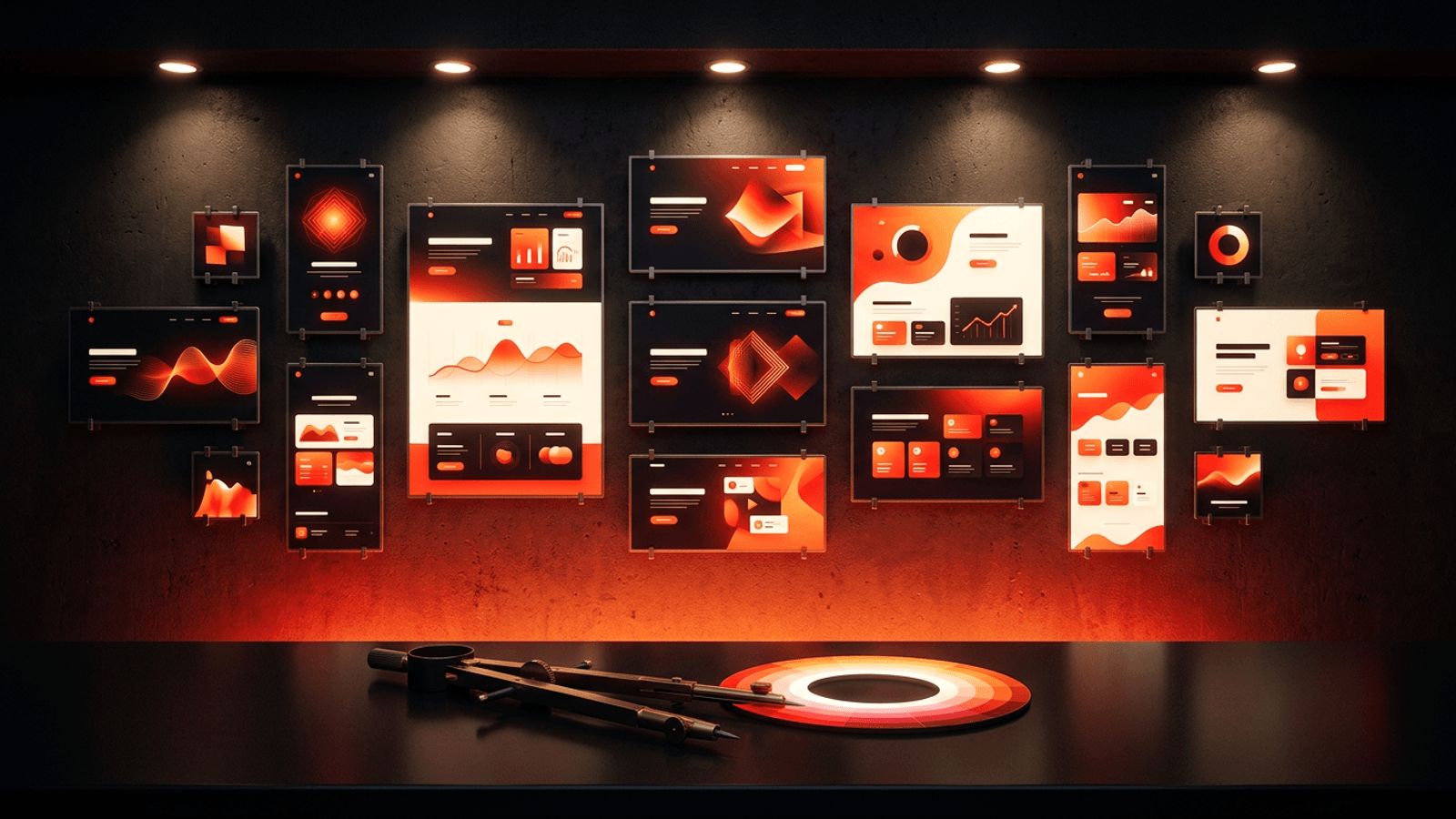
For web designers, a portfolio is more than a collection of pretty screenshots. It is evidence of how you solve problems, communicate ideas, and create experiences that achieve business goals. Clients and hiring managers often review dozens of portfolios in a single sitting, so yours needs to stand out quickly while also rewarding deeper exploration. A strong portfolio for web design demonstrates visual craft, strategic thinking, and professionalism at every touchpoint. This guide explains how to plan, curate, and build a portfolio that opens doors.
How AAMAX.CO Supports Designers and Creative Brands
Presenting creative work effectively takes both design and technical expertise. AAMAX.CO is a full service digital marketing company offering web development, digital marketing, and SEO services worldwide, and they help designers, studios, and creative businesses launch portfolio websites that load quickly and rank well in search. Their team brings strategy, aesthetics, and engineering together so that the portfolio itself becomes a showcase of quality. Creatives who want a custom, high-performing site can rely on their website development services to bring their portfolio vision to life.
Identify Your Niche and Ideal Client
Before selecting projects, decide what kind of work you want more of. Are you targeting e-commerce brands, SaaS startups, nonprofits, or local businesses? Do you specialize in landing pages, design systems, or full website redesigns? A portfolio tailored to a specific niche is far more persuasive than a generic one, because potential clients can immediately see that you understand their industry and challenges.
Curate Your Best Work
Quality beats quantity every time. Select four to eight projects that represent your strongest and most relevant work. Each project should demonstrate a different skill or challenge, such as complex information architecture, a bold visual identity, or a measurable conversion improvement. Remove outdated or weaker work, even if you are emotionally attached to it. Your portfolio is only as strong as its weakest piece.
Turn Projects Into Case Studies
Great design portfolios tell stories. For each featured project, explain the context, the problem, your role, your process, and the outcome. Show research insights, sketches, wireframes, iterations, and final designs. Explain why you made key decisions, such as choosing a particular layout or color system. If possible, share results like increased engagement, improved conversion rates, or positive client feedback.
- Overview: client, timeline, your role, and tools used.
- Challenge: the problem the design needed to solve.
- Process: research, sketches, wireframes, and iterations.
- Outcome: final visuals and measurable results.
Include Concept and Personal Projects
If you lack client work in a specific area, create self-initiated projects. Redesign an existing website you believe could be improved, design a concept for a fictional brand, or contribute to a nonprofit. Clearly label these as concept projects and apply the same rigorous process you would for real clients. Personal projects also reveal your passions and creative voice.
Design the Portfolio Site Itself
Your portfolio site is your most visible design project, so treat it accordingly. Keep the layout clean and let your work take center stage. Use a consistent grid, strong typography, and a restrained color palette that complements rather than competes with your project imagery. Make navigation simple, with clear sections for work, about, and contact. Subtle animations can add personality, but performance and usability must come first.
Present Visuals at Their Best
High-quality presentation makes a big difference. Use device mockups to show designs in context, create full-page screenshots for long layouts, and include short videos or animated previews for interactive elements. Ensure images are sharp but compressed for fast loading. Consistent presentation across projects makes the portfolio feel cohesive and professional.
Write a Compelling About Page
Clients want to know who they will be working with. Share your background, design philosophy, and the kinds of projects you enjoy. Include a professional photo and mention notable clients, awards, or publications if you have them. Keep the tone personable and confident, and end with a clear invitation to get in touch.
Add Social Proof
Testimonials from clients or colleagues add credibility that your own descriptions cannot. Include short quotes with names, roles, and companies when permitted. Logos of brands you have worked with can also reassure potential clients. Place social proof near calls to action to support conversions.
Make It Easy to Hire You
Every page should guide visitors toward contacting you. Include a contact form, email address, and links to professional networks. If you offer specific services, list them clearly along with what clients can expect from your process. Respond to inquiries promptly, because a fast response is part of the experience you are selling.
Optimize for Search and Sharing
Use descriptive page titles and meta descriptions, give each case study its own URL, and add alt text to project images. Create attractive social sharing images so your work looks great when posted online. Over time, search-optimized case studies can attract clients who are actively looking for designers with your expertise.
Conclusion
Making a portfolio for web design means curating your strongest work, telling the story behind each project, and presenting everything in a clean, fast, and accessible website. Focus on your niche, demonstrate your process, include social proof, and make contacting you effortless. Keep refining your portfolio as you grow, and it will continue to attract the clients and opportunities you want most.