
What Does a Funnel Web Look Like? Understanding Funnel-Based Websites
The phrase "funnel web" famously refers to a venomous spider, but in the world of digital marketing it describes something very different: a website structured as a sales funnel. Instead of offering visitors dozens of links and pages to explore, a funnel web guides them along a focused, step-by-step path toward one goal, such as signing up, booking a call, or making a purchase. If you have ever clicked an ad, landed on a single-focused page, entered your email, and then been led to an offer, you have experienced a funnel website. This article explains what a funnel web looks like, how it is structured, and which design elements make it effective.
How AAMAX.CO Builds High-Converting Funnel Websites
Designing a funnel that actually converts requires a blend of strategy, psychology, design, and technology. AAMAX.CO is a full service digital marketing company offering web development, digital marketing, and SEO services worldwide. They create funnel-focused pages and websites that align messaging with audience intent, remove friction, and lead visitors naturally toward action. Because they also manage traffic sources like search and paid campaigns, they can build funnels that connect seamlessly from the first click to the final conversion.
The Basic Shape of a Funnel Web
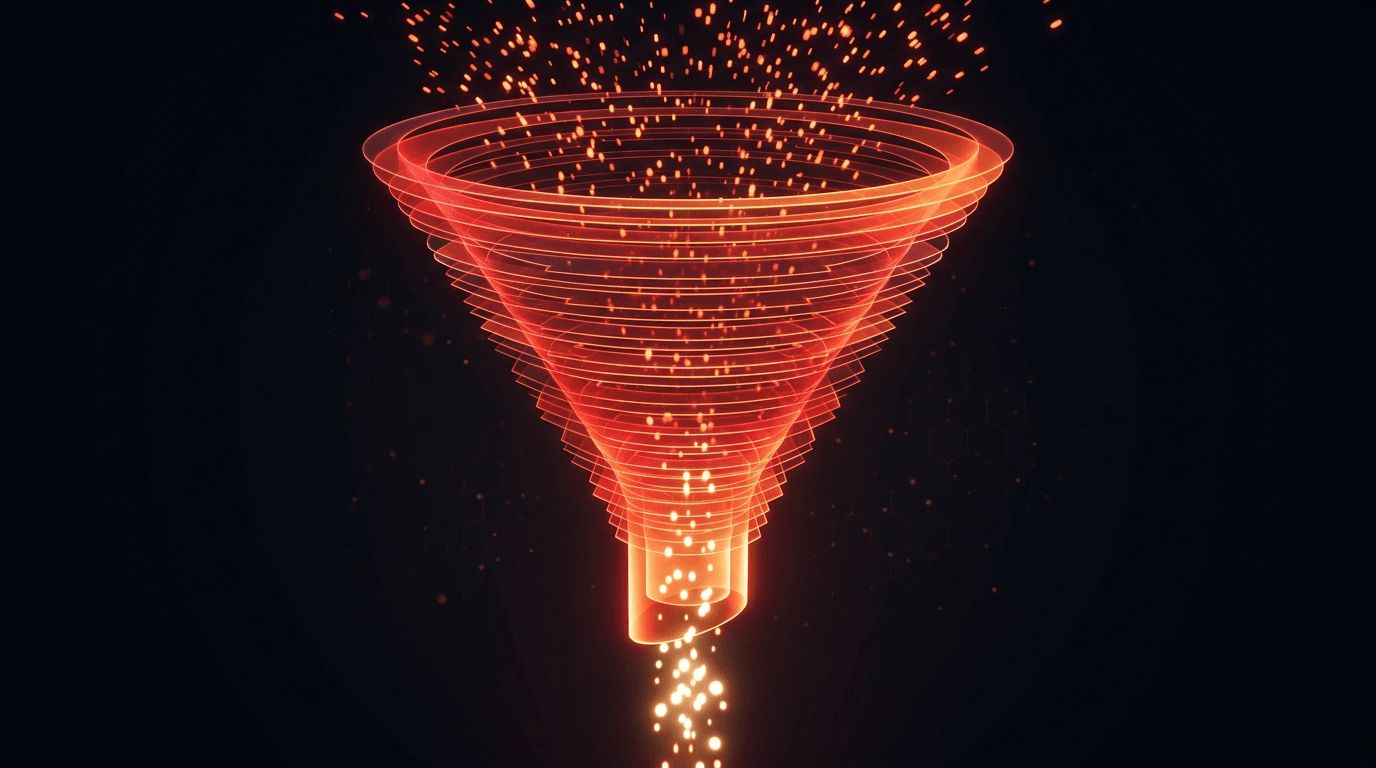
Visually and structurally, a funnel website resembles an actual funnel. A large number of visitors enter at the top, and a smaller, more qualified group moves through each stage until some of them convert at the bottom. Each page in the funnel has one job: move the visitor to the next step. Distractions like full navigation menus, unrelated links, and sidebars are often removed to keep attention focused.
The Typical Pages in a Funnel Web
Landing Page
The landing page is the entry point. It features a strong headline that matches the ad or link the visitor clicked, a clear value proposition, supporting visuals, and one prominent call to action. The layout is usually simple, with content flowing vertically toward the action button.
Opt-In or Lead Capture Page
Many funnels collect contact information early, often in exchange for a free resource such as a guide, checklist, webinar, or discount. The opt-in page features a short form, a compelling offer, and trust signals such as privacy assurances.
Sales or Offer Page
The sales page presents the main product or service in detail. It typically includes benefits, features, testimonials, case studies, pricing, guarantees, and frequently asked questions. Long-form sales pages are common for higher-priced offers, while shorter pages work for simpler products.
Order or Checkout Page
This page is designed for minimal friction. It includes a simple form, clear pricing, secure payment options, and reassurance elements like security badges and refund policies.
Upsell and Thank-You Pages
After a conversion, funnels often present a relevant upsell or cross-sell offer. Finally, a thank-you page confirms the action, sets expectations for next steps, and may invite visitors to follow on social media or join a community.
Key Design Elements of a Funnel Web
- Focused layout: one primary goal per page with minimal distractions.
- Message match: headlines and visuals that align with the traffic source.
- Clear calls to action: high-contrast buttons with action-oriented wording.
- Social proof: testimonials, reviews, logos, and success stories.
- Urgency and scarcity: limited-time offers or limited availability, used honestly.
- Short forms: only the fields that are truly necessary.
- Mobile optimization: fast, thumb-friendly pages for mobile visitors.
How a Funnel Web Differs From a Traditional Website
A traditional website is like a library: visitors can explore many pages in any order. A funnel web is more like a guided tour with a clear destination. Traditional websites build brand awareness and provide comprehensive information, while funnel websites focus on conversion for a specific offer. Many businesses use both, with a main website for credibility and dedicated funnels for campaigns and product launches. Strong website design ensures both experiences feel consistent with the brand.
The Technology Behind Funnels
Funnel websites rely on several technical components: landing page builders or custom-coded pages, form handling, email marketing integration, payment processing, analytics tracking, and A/B testing tools. Custom-built funnels can offer better performance, deeper integrations, and more flexibility than template-based builders. Professional website development ensures pages load quickly, track conversions accurately, and connect reliably to customer relationship management systems.
Measuring Funnel Performance
Every stage of a funnel should be measured. Track how many visitors land on each page, how many move to the next step, and where people drop off. Conversion rates between stages reveal weak points. For example, if many visitors reach the checkout but few complete it, the checkout page may need simplification or stronger trust signals. Continuous testing of headlines, offers, images, and button placement helps improve results over time.
Common Funnel Mistakes
Funnels underperform when the offer does not match visitor intent, when pages load slowly, or when forms ask for too much information. Overusing aggressive urgency tactics can damage trust. Another common issue is failing to follow up; leads captured in a funnel should be nurtured with timely, valuable emails.
Conclusion
A funnel web looks like a series of focused, connected pages that guide visitors from initial interest to a specific action. It features clear messaging, strong calls to action, social proof, and minimal distractions, all supported by reliable technology and analytics. When designed and built well, a funnel website can turn traffic into leads and customers far more effectively than a general-purpose site.