
What Does a Web Page Designer Do? Roles, Skills, and Responsibilities
Every website you visit, from a local bakery's homepage to a global software platform, was shaped by someone who decided how it should look and feel. That person is a web page designer. Web page designers are responsible for the visual layout, user experience, and overall aesthetic of websites. They combine creativity with an understanding of how people interact with digital interfaces. If you are considering hiring a designer or becoming one, understanding their role helps you appreciate the value they bring. This article explores what web page designers do, the skills they need, and how they work within a project team.
AAMAX.CO: A Team of Designers Focused on Results
Businesses looking for professional design talent often turn to experienced agencies. AAMAX.CO is a full service digital marketing company offering web development, digital marketing, and SEO services worldwide. Their designers create visually engaging, user-friendly websites that reflect each client's brand while supporting business goals such as lead generation and sales. Because their designers work closely with developers and marketers, they produce designs that are not only beautiful but also practical to build, fast to load, and optimized for search.
The Core Role of a Web Page Designer
A web page designer plans and creates the visual and interactive aspects of a website. Their work determines how information is arranged, how users navigate, which colors and fonts are used, and how the site communicates a brand's personality. Designers balance aesthetics with usability, ensuring the site is attractive and easy to use.
Key Responsibilities
Understanding Client Goals and Users
Designers begin by learning about the business, its audience, and its goals. They may conduct interviews, review competitors, analyze existing websites, and study user data to understand what visitors need.
Creating Site Structure and Wireframes
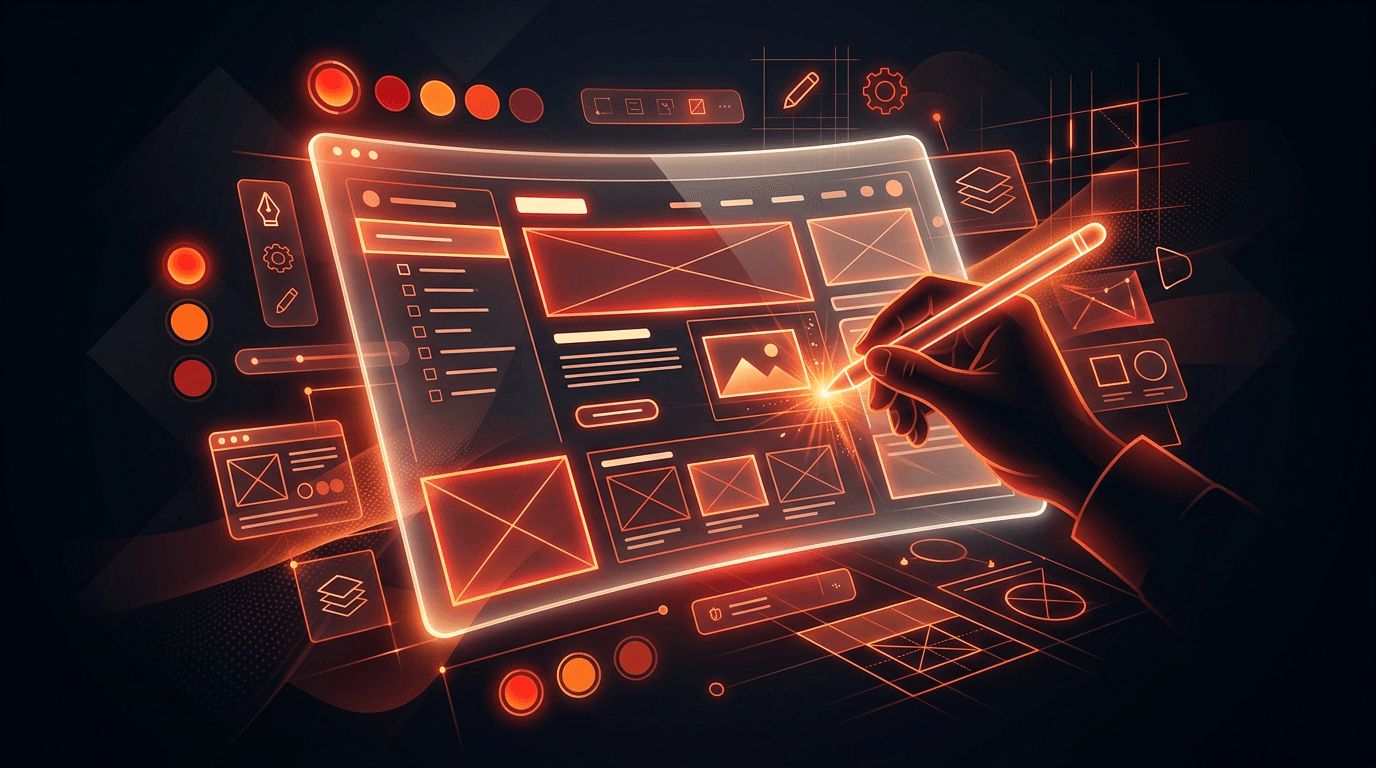
Before visual styling, designers map out the site architecture and create wireframes showing the layout of each page. This step defines content hierarchy and user flows.
Designing Visual Mockups
Designers then create high-fidelity mockups that include colors, typography, imagery, icons, and spacing. These mockups show exactly how the website will look on different devices.
Ensuring Responsive Design
Modern web page designers plan layouts for phones, tablets, and desktops, ensuring the site adapts smoothly to every screen size.
Focusing on User Experience
Designers think carefully about how users interact with each element. They design intuitive navigation, clear calls to action, readable content, and accessible interfaces for people with disabilities.
Building Design Systems
For larger projects, designers create reusable components and style guides that keep the website consistent as it grows.
Collaborating With Developers
Designers hand off their work to developers with detailed specifications, assets, and interaction notes. They often review the built website to ensure it matches the design and make adjustments as needed.
Essential Skills for Web Page Designers
- Visual design: layout, color theory, typography, and composition.
- UX principles: usability, information architecture, and user research.
- Design tools: proficiency in modern design and prototyping software.
- Basic coding knowledge: understanding HTML and CSS helps designers create feasible designs.
- Accessibility awareness: designing for contrast, readability, and keyboard navigation.
- Communication: presenting ideas, explaining design decisions, and accepting feedback.
- Branding: translating brand identity into digital experiences.
Tools Web Page Designers Use
Designers rely on collaborative interface design tools for wireframes, mockups, and prototypes. They may use image editing and illustration software for graphics, and prototyping tools to simulate interactions. Many also use AI-assisted tools to speed up exploration and asset creation. Project management and communication platforms help them coordinate with clients and developers.
Web Designer Versus Web Developer
Web designers focus on how a website looks and feels, while web developers focus on building it with code. Designers create the vision; developers bring it to life. Some professionals do both, but in most projects these roles are distinct and complementary. Clear collaboration between design and website development teams is essential to deliver a site that matches the original vision and works flawlessly.
Specializations Within Web Design
Some designers specialize in user interface design, focusing on visual elements and components. Others focus on user experience design, researching user behavior and improving flows. There are also designers who specialize in ecommerce, landing pages, motion design, or accessibility. Each specialization brings unique value depending on the project's needs.
A Day in the Life
A typical day for a web page designer might include reviewing client feedback, sketching layout ideas, refining mockups, presenting designs in meetings, collaborating with developers on implementation details, and testing live websites for visual issues. Designers also spend time staying current with design trends, tools, and best practices.
Why Good Web Design Matters
Visitors form an impression of a website within seconds. A professional design builds trust, communicates value, and encourages users to stay and take action. Poor design, on the other hand, can drive visitors away even if the business offers excellent products. Investing in skilled website design directly influences credibility, engagement, and conversions.
Conclusion
A web page designer does much more than make websites look pretty. They research users, plan structures, create visual designs, ensure responsiveness and accessibility, and collaborate with developers to deliver effective digital experiences. Their work shapes how people perceive a brand and whether they choose to engage. Whether you are hiring a designer or pursuing the career yourself, understanding this role highlights just how important design is to online success.