
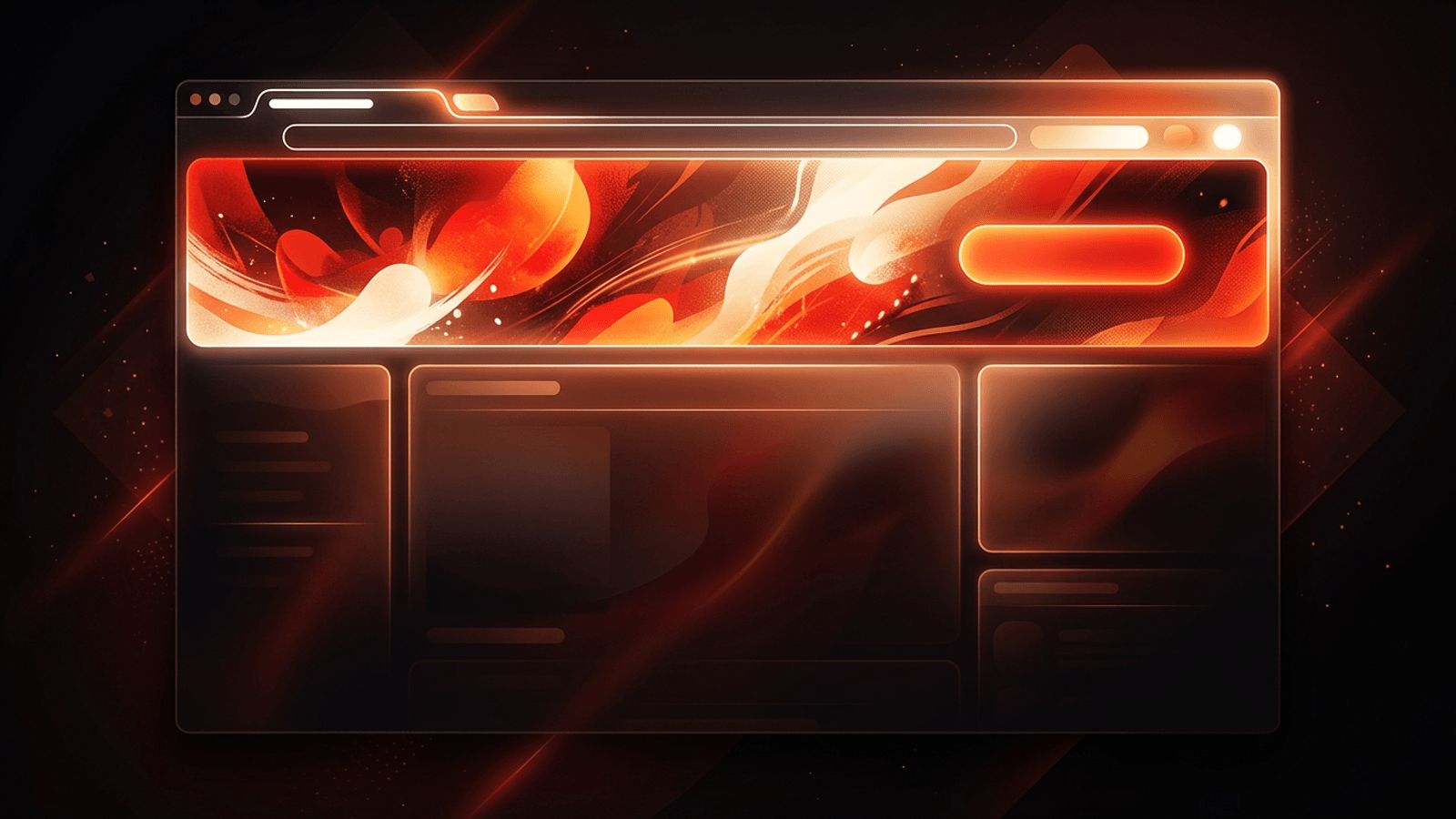
When visitors land on a website, the first thing they see is usually a large, eye-catching section at the top of the page. This area often features a bold headline, a striking image or video, and a prominent button inviting the visitor to take action. In web design, this is known as the hero section. So, what is a hero in web design? In this article, we explain what a hero section is, why it matters, the elements that make it effective, and best practices for designing one that captures attention and drives conversions.
Design a Hero Section That Converts With AAMAX.CO
Your hero section has only a few seconds to make an impression, so every detail counts. AAMAX.CO is a full-service digital marketing company offering web development, digital marketing, and SEO services worldwide. Their designers craft hero sections that combine compelling messaging, striking visuals, and clear calls to action, all while keeping pages fast and responsive. Through their professional website design services, they create first impressions that communicate your value instantly and guide visitors deeper into your website.
The Definition of a Hero Section
A hero section, also called a hero banner, hero header, or hero image, is the large introductory area displayed at the top of a web page, typically above the fold. "Above the fold" refers to the portion of the page visible without scrolling. The hero is designed to grab attention, communicate the core message of the page, and encourage visitors to take a specific next step.
The term "hero" reflects the section's prominent role. Just as a hero takes center stage in a story, the hero section takes center stage on a web page.
Why the Hero Section Matters
Research consistently shows that users form an impression of a website within seconds. The hero section is the primary element shaping that impression. A well-designed hero can:
- Capture attention: Bold visuals and headlines draw users in immediately.
- Communicate value: Visitors quickly understand what the business offers and why it matters.
- Establish brand identity: Colors, imagery, and typography set the tone for the entire site.
- Reduce bounce rates: Clear messaging encourages users to stay and explore.
- Drive conversions: A prominent call to action guides users toward desired actions.
Key Elements of an Effective Hero Section
While hero designs vary, most successful ones include the following components:
- Headline: A concise, compelling statement that communicates the main value proposition.
- Subheadline: Supporting text that adds context or explains the benefit in more detail.
- Call to action (CTA): A clear button such as "Get Started," "Book a Demo," or "Shop Now."
- Visual element: A high-quality image, illustration, video, or animation that reinforces the message.
- Navigation: A clean header menu that allows users to explore other sections.
- Trust signals: Optional elements like client logos, ratings, or short testimonials.
Common Types of Hero Sections
Designers use a variety of hero styles depending on brand goals and audience:
- Full-screen image hero: A large background photograph with overlaid text, ideal for lifestyle and hospitality brands.
- Video hero: A looping background video that creates an immersive, dynamic experience.
- Split-screen hero: Text on one side and an image or product visual on the other, offering balance and clarity.
- Product showcase hero: Highlights a product or app interface, common for SaaS and technology companies.
- Illustrated hero: Custom illustrations that convey personality and creativity.
- Minimal text hero: A bold typographic statement with plenty of whitespace for a modern, confident look.
- Carousel or slider hero: Rotating slides featuring multiple messages, though these are used less often today due to lower engagement.
Best Practices for Designing a Hero Section
To create a hero section that performs well, follow these proven guidelines:
- Keep messaging clear and concise: Visitors should understand your offer in a single glance.
- Focus on one primary CTA: Too many options can cause confusion; prioritize a single main action.
- Use high-quality visuals: Choose images or videos that are relevant, authentic, and optimized for fast loading.
- Ensure strong contrast: Text must be easy to read against background images or colors.
- Design for mobile first: Hero sections should adapt gracefully to smaller screens, with readable text and accessible buttons.
- Optimize performance: Large media files can slow page load times, so compress images and use modern formats.
- Maintain accessibility: Include alt text, avoid autoplaying audio, and ensure buttons are keyboard accessible.
- Align with brand identity: Use consistent colors, fonts, and tone across the hero and the rest of the site.
Hero Sections and SEO
Hero sections also influence search engine optimization. The main headline is often the page's H1 heading, making it an ideal place to include your primary keyword naturally. However, avoid embedding important text inside images, as search engines and screen readers cannot read it reliably. Fast-loading hero sections also contribute to better Core Web Vitals scores, particularly Largest Contentful Paint, which measures how quickly the main content appears.
Common Hero Section Mistakes
Avoid these pitfalls when designing your hero:
- Vague headlines that fail to explain what the business does.
- Overloaded designs with too much text or too many buttons.
- Slow-loading background videos or uncompressed images.
- Poor contrast that makes text difficult to read.
- Generic stock photos that feel inauthentic.
- Ignoring mobile layouts, causing cropped visuals or hidden CTAs.
Conclusion
What is a hero in web design? It is the prominent introductory section at the top of a web page that captures attention, communicates the core message, and encourages action. With a compelling headline, supporting text, strong visuals, and a clear call to action, a well-designed hero section creates a powerful first impression. By following best practices for clarity, performance, accessibility, and branding, you can turn your hero section into one of the most effective conversion tools on your website.