
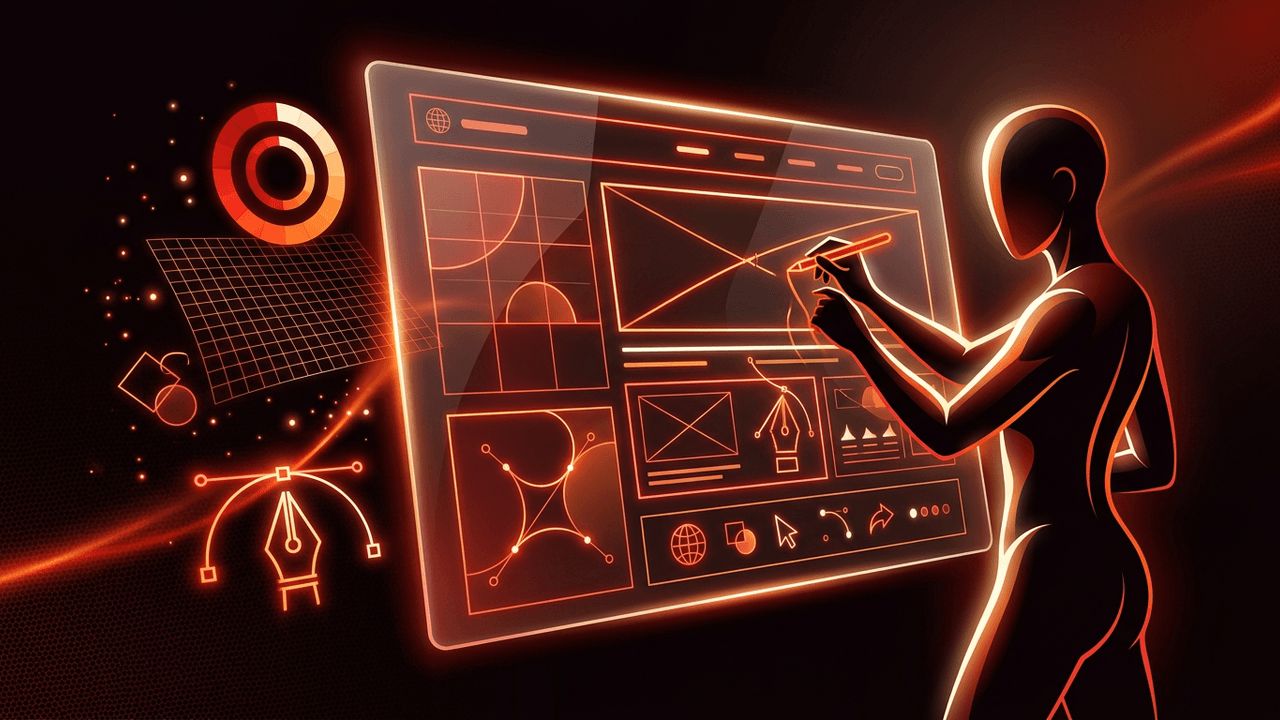
Every website you visit, from a simple blog to a major online store, was shaped by someone who thought carefully about how it should look and how people would use it. That person is a web designer. Web designers combine creativity with an understanding of user behavior to create digital experiences that are attractive, intuitive, and effective. As businesses increasingly depend on their online presence, the role of the web designer has become more important than ever. In this article, you will learn what a web designer is, what they do day to day, the skills they need, and how to choose the right one for your project.
AAMAX.CO: Professional Web Design With Measurable Impact
Understanding what web designers do makes it easier to recognize the value of a skilled team. AAMAX.CO is a full-service digital marketing company offering web development, digital marketing, and SEO services worldwide. Their designers work closely with developers and marketers, so every design decision supports performance, search visibility, and business goals. Rather than focusing only on appearance, they design websites that guide visitors toward action and reflect each brand's identity. Businesses looking for designers who understand both creativity and results often hire them to lead new projects or redesigns.
The Core Role of a Web Designer
A web designer is responsible for the visual layout and user experience of a website. They decide how pages are structured, where content appears, which colors and fonts are used, and how users move through the site. Their goal is to create a design that communicates the brand clearly, makes information easy to find, and encourages visitors to take desired actions, such as making a purchase or submitting a form.
Web design goes far beyond decoration. Designers consider accessibility, readability, loading speed, and how the site behaves on different screen sizes. A well-designed website feels effortless to use, even though significant planning went into every detail.
Types of Web Designers
The field includes several specializations:
- UI designers: Focus on the visual interface, including buttons, icons, typography, and color systems.
- UX designers: Study user behavior and design experiences that are logical, efficient, and satisfying.
- Visual or graphic designers: Create branding elements, illustrations, and imagery for websites.
- Interaction designers: Design animations, transitions, and micro-interactions that improve usability.
Many web designers, especially freelancers and small agency teams, combine several of these roles.
What a Web Designer Does Day to Day
A typical project begins with discovery, where the designer learns about the client's business, audience, and goals. Next comes research and planning, including competitor analysis, sitemaps, and user flows. The designer then creates wireframes, which are simple layouts showing page structure, followed by high-fidelity mockups that include colors, typography, and imagery. After client feedback and revisions, the designer prepares files and specifications for developers and often reviews the final build to ensure accuracy.
Essential Skills of a Web Designer
Successful web designers combine creative, technical, and interpersonal skills. They understand design principles like hierarchy, contrast, balance, and white space. They know how to use tools such as Figma, Adobe XD, Photoshop, and Illustrator. Many also understand HTML and CSS, which helps them design layouts that are realistic to build. Communication skills are equally important, as designers must explain their decisions, listen to feedback, and collaborate with clients and developers.
Web Designer vs. Web Developer
People often confuse web designers with web developers. Designers focus on how a website looks and feels, while developers write the code that makes it work. Front-end developers turn designs into functional pages using HTML, CSS, and JavaScript, while back-end developers manage servers, databases, and application logic. Some professionals work in both areas, but most projects benefit from dedicated specialists. Strong website design paired with expert website development produces websites that are both beautiful and technically sound.
Why Web Design Matters for Businesses
Visitors form opinions about a website within seconds. A cluttered, outdated, or confusing design can drive potential customers away, while a clean and professional design builds trust immediately. Good design also improves conversion rates by guiding users toward key actions, supports SEO through better structure and usability, and reinforces brand identity across every page.
How to Choose the Right Web Designer
When hiring a web designer, review their portfolio to see if their style matches your vision. Look for case studies that show measurable results, not just attractive visuals. Ask about their process, timelines, and how they handle revisions. Check testimonials and reviews from past clients. Finally, consider whether they offer related services like development, SEO, and ongoing support, which can simplify your project and ensure consistency.
The Future of Web Design
Web design continues to evolve with new technologies and user expectations. Trends include accessibility-first design, dark mode options, motion design, AI-assisted tools, and design systems that ensure consistency across large websites. Designers who stay curious and keep learning remain valuable as the industry changes.
Final Thoughts
A web designer is a creative problem solver who shapes how people experience a brand online. By combining visual skills, user experience knowledge, and collaboration with developers, web designers create websites that look great and deliver results. Whether you are considering a career in web design or hiring a designer for your business, understanding this role helps you appreciate the value of thoughtful, user-centered design.