
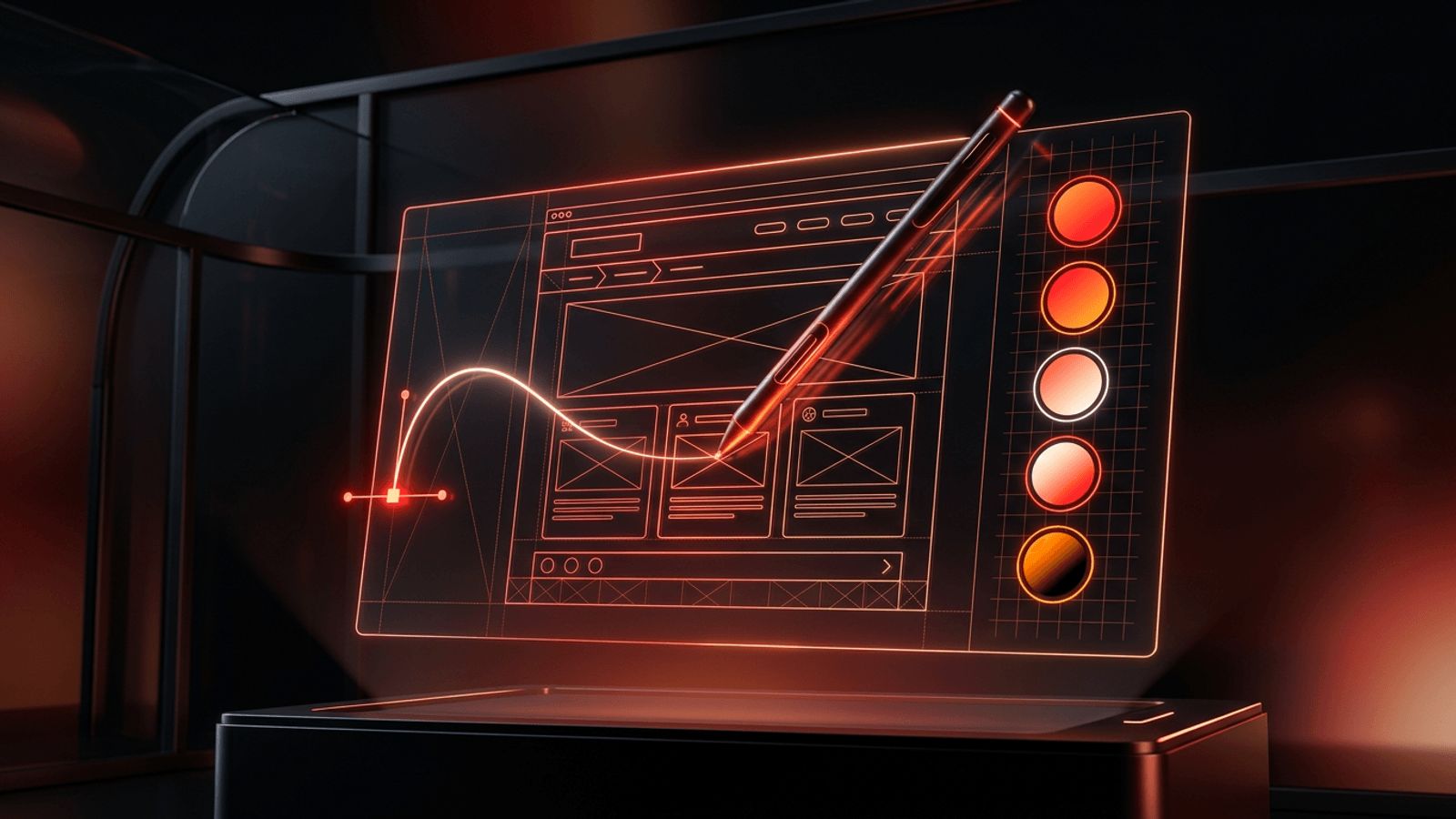
Every website you enjoy using, from a sleek product page to an easy-to-navigate online store, is the result of careful design decisions. Behind those decisions is a web page designer, a professional who combines creativity, psychology, and technical knowledge to create digital experiences that are attractive and effective. As businesses rely more heavily on their websites to attract and convert customers, the role of the web page designer has become increasingly important. In this article, we explore what a web page designer is, what they do, the skills they need, and how to choose the right designer for your project.
Work With the Web Design Team at AAMAX.CO
If you are looking for experienced designers who understand both aesthetics and business goals, AAMAX.CO is a strong choice. AAMAX.CO is a full-service digital marketing company offering web development, digital marketing, and SEO services worldwide. Their designers create custom layouts, intuitive navigation, and engaging visuals tailored to each brand. Through their professional website design services, they deliver pages that are responsive, accessible, and optimized to convert visitors into customers, while their development and SEO teams ensure the final result performs as well as it looks.
Defining the Role of a Web Page Designer
A web page designer is a professional responsible for planning and creating the visual layout, structure, and user experience of webpages and websites. They decide how content is arranged, which colors and fonts are used, how images and graphics appear, and how users move through the site. Their goal is to create pages that communicate a brand's message clearly, look visually appealing, and help users accomplish their goals easily.
Key Responsibilities of a Web Page Designer
- Research and discovery: Understanding the client's business, audience, competitors, and goals.
- Information architecture: Organizing content and creating sitemaps that make navigation logical.
- Wireframing: Sketching the basic layout and structure of each page before visual design begins.
- Visual design: Choosing color palettes, typography, imagery, icons, and layout styles that reflect the brand.
- Prototyping: Creating interactive mockups that demonstrate how the website will work.
- Responsive design: Ensuring pages look and function well on desktops, tablets, and smartphones.
- Collaboration: Working with developers, content writers, SEO specialists, and stakeholders.
- Testing and refinement: Gathering feedback and improving designs based on user behavior.
Essential Skills of a Web Page Designer
Visual Design Skills
A strong understanding of color theory, typography, layout, balance, contrast, and visual hierarchy is fundamental. Designers use these principles to direct attention and create a cohesive look.
User Experience Design
Web page designers must understand how people interact with websites. UX skills include user research, usability principles, accessibility standards, and designing intuitive navigation and interactions.
Technical Knowledge
While designers are not always coders, a basic understanding of HTML, CSS, and how websites are built helps them create realistic, developer-friendly designs. Knowledge of responsive frameworks and web performance considerations is also valuable.
Communication and Problem-Solving
Designers must translate business goals into visual solutions and explain their decisions clearly to clients and teammates. They also need to balance creativity with practical constraints such as budgets, timelines, and technical limitations.
Tools Web Page Designers Use
Modern web page designers rely on a range of tools. Figma is widely used for interface design, prototyping, and collaboration. Adobe XD, Sketch, and Adobe Photoshop and Illustrator remain popular for visual design and graphics. Website builders such as Webflow and Framer allow designers to create live, responsive sites visually. Tools for user testing, heatmaps, and analytics help designers understand how users interact with their work.
Web Page Designer vs. Web Developer
Although the roles often overlap, web page designers and web developers focus on different aspects of a website. Designers concentrate on how the website looks and feels, including layout, visuals, and user experience. Developers turn those designs into functional websites using code, handling front-end implementation, back-end logic, databases, and integrations. Many successful projects involve close collaboration between both roles, and some professionals have hybrid skills. For complex functionality, pairing design with expert website development ensures a seamless final product.
Types of Web Page Designers
- UI designers: Focus on interface elements such as buttons, forms, and visual components.
- UX designers: Focus on user research, flows, and overall usability.
- Visual or graphic web designers: Concentrate on branding, imagery, and aesthetics.
- Freelance designers: Independent professionals working on a project basis.
- Agency designers: Team members within design or digital marketing agencies offering broader services.
Why a Professional Web Page Designer Matters
First impressions form within seconds, and design strongly influences whether visitors trust a business. A professional designer creates a credible, memorable brand presence, improves usability, and guides users toward actions like contacting you or making a purchase. Good design also supports SEO by improving engagement, accessibility, and mobile usability.
How to Choose the Right Web Page Designer
Review portfolios to evaluate style and quality. Look for experience in your industry or with similar projects. Read client testimonials and ask about the designer's process, timelines, and revision policies. Make sure they understand responsive design, accessibility, and conversion principles. Most importantly, choose someone who listens carefully and focuses on your business goals, not just visual trends.
Final Thoughts
A web page designer is a creative and strategic professional who shapes how websites look, feel, and perform for users. Through research, wireframing, visual design, and collaboration, they create digital experiences that build trust and drive results. Whether you hire a freelancer or a full-service agency, investing in skilled web design is one of the most effective ways to strengthen your online presence.