
What Is CSS Web Design? The Language That Styles the Web
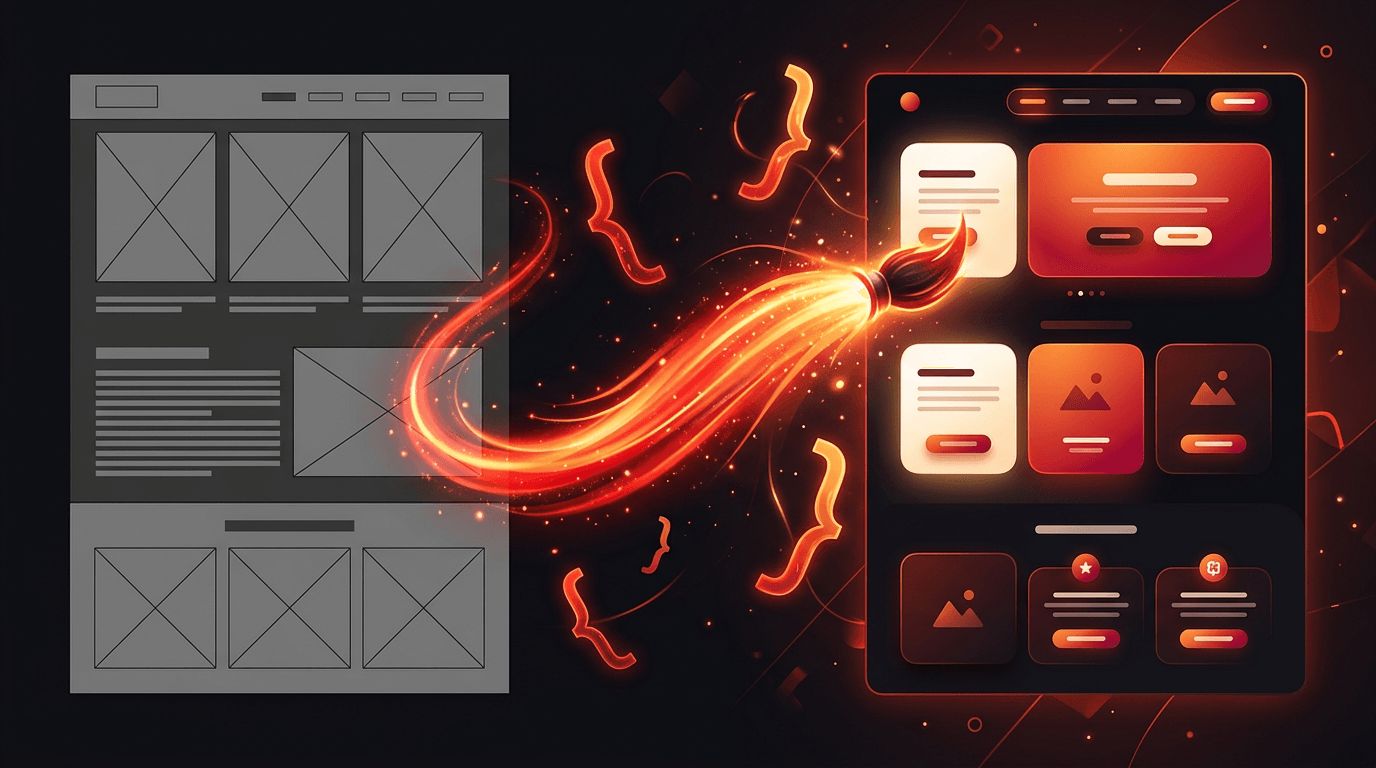
When you visit a website and admire its colors, fonts, layout, and smooth animations, you are seeing CSS at work. CSS, which stands for Cascading Style Sheets, is the language used to control the visual presentation of web pages. While HTML provides the structure and content of a page, CSS determines how that content looks and is arranged. CSS web design refers to the practice of using CSS to create attractive, responsive, and user-friendly websites. This article explains what CSS is, how it works, its most important features, and why it is fundamental to modern web design.
AAMAX.CO: Crafting Polished, Responsive Designs With Modern CSS
Turning a design vision into a pixel-perfect, responsive website requires deep CSS expertise. AAMAX.CO is a full service digital marketing company offering web development, digital marketing, and SEO services worldwide. Their designers and front-end developers use modern CSS techniques to create websites that look stunning, adapt to every screen size, and load quickly. By combining creative design with clean, maintainable code, they deliver websites that impress visitors and perform well in search engines.
What Is CSS?
CSS is a stylesheet language that describes how HTML elements should be displayed. It controls properties like colors, fonts, spacing, borders, backgrounds, layout, and animations. CSS separates presentation from content, which means the same HTML can be styled in different ways simply by changing the CSS.
The "cascading" part of the name refers to how styles are applied. When multiple rules target the same element, CSS uses a set of rules called the cascade to determine which styles take priority, based on specificity, importance, and order.
How CSS Works
CSS works by selecting HTML elements and applying style rules to them. A CSS rule consists of a selector, which identifies the element, and declarations, which define the styles. For example, a rule might select all headings and make them a specific color, size, and font.
CSS can be added to a website in three ways: inline styles directly on HTML elements, internal styles within a page's head section, or external stylesheets linked to multiple pages. External stylesheets are the most common and efficient approach, allowing consistent styling across an entire website.
Key Features of CSS in Web Design
Typography
CSS controls font families, sizes, weights, line heights, and letter spacing. Good typography improves readability and reinforces brand identity.
Colors and Backgrounds
CSS defines text colors, background colors, gradients, and background images, creating visual mood and hierarchy.
The Box Model
Every element on a web page is treated as a box with content, padding, borders, and margins. Understanding the box model is essential for controlling spacing and layout.
Flexbox
Flexbox is a layout system designed for arranging elements in rows or columns. It makes it easy to align, distribute, and reorder items, making it ideal for navigation bars, card layouts, and component alignment.
CSS Grid
CSS Grid is a powerful two-dimensional layout system for creating complex page layouts with rows and columns. It enables sophisticated designs with clean, efficient code.
Responsive Design With Media Queries
Media queries allow CSS to apply different styles based on screen size, orientation, or user preferences. This enables websites to adapt seamlessly to phones, tablets, and desktops. Container queries extend this further by letting components respond to the size of their containers.
Transitions and Animations
CSS can animate changes in properties, such as hover effects, fades, and slides, adding polish and interactivity without JavaScript.
Custom Properties
CSS custom properties, also known as variables, store reusable values like brand colors and spacing units. They make it easier to maintain consistent design systems and support features like dark mode.
Why CSS Is Essential for Modern Websites
- Visual identity: CSS brings brand colors, fonts, and styles to life.
- Responsive layouts: CSS ensures websites look great on every device.
- Performance: well-written CSS loads quickly and reduces the need for heavy scripts.
- Maintainability: separating style from content makes updates easier.
- Accessibility: CSS supports readable typography, visible focus states, and respect for user preferences like reduced motion.
CSS Frameworks and Tools
CSS frameworks provide pre-written styles and utilities that speed up development. Utility-first frameworks allow developers to style elements quickly using small, reusable classes. Component-based frameworks provide ready-made elements like buttons and forms. Preprocessors add features like nesting and mixins, although many of these capabilities are now built into modern CSS. Choosing the right tools depends on project size, team preferences, and performance goals.
CSS Best Practices
- Use a mobile-first approach, starting with styles for small screens.
- Organize styles with consistent naming conventions and structure.
- Use custom properties for colors, spacing, and typography.
- Prefer Flexbox and Grid over outdated layout techniques.
- Minimize unused CSS to improve performance.
- Ensure sufficient color contrast and visible focus styles.
- Test designs across browsers and devices.
CSS in the Design and Development Process
CSS bridges design and development. Designers create visual concepts, and front-end developers use CSS to translate those concepts into reality. Close collaboration ensures designs are implemented accurately and efficiently. Expertise in CSS is a cornerstone of professional website design, and it remains essential when building interactive interfaces through website development.
Conclusion
CSS web design is the art and science of using Cascading Style Sheets to control how websites look and adapt across devices. From typography and colors to Flexbox, Grid, responsive media queries, and animations, CSS shapes the visual experience of every website. Mastering CSS, or working with professionals who have, is essential for creating modern websites that are attractive, accessible, fast, and memorable.