
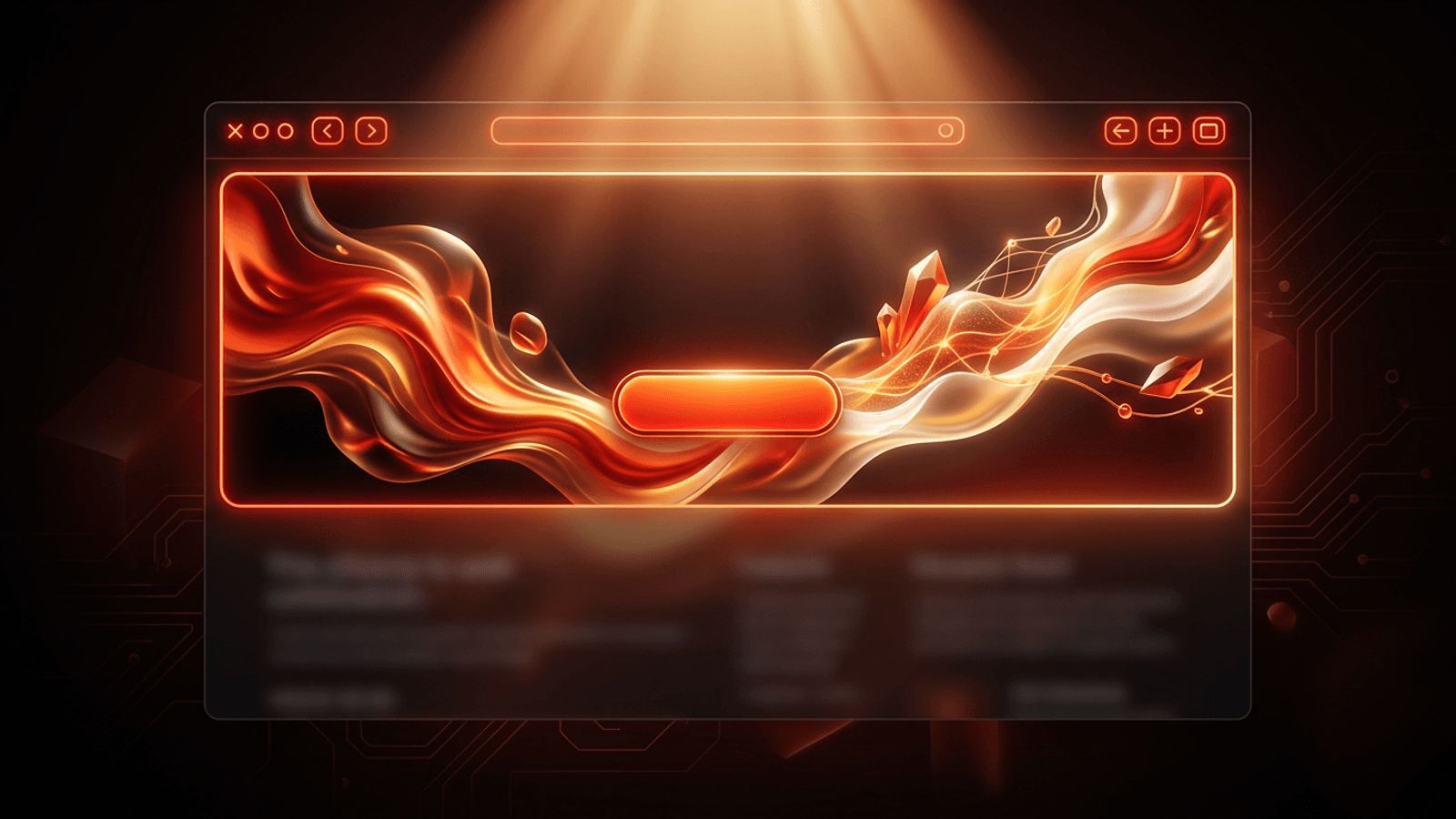
When a visitor lands on a website, the first thing they see sets the tone for their entire experience. Within seconds, they decide whether the site is relevant, trustworthy, and worth exploring further. That crucial first impression is usually delivered by the hero section. In web design, a hero, or hero section, is the large, prominent banner area at the top of a web page, typically featuring a bold headline, supporting text, a striking visual, and a primary call to action. It is designed to capture attention immediately and communicate the page's core message. In this article, we explore what a hero section is, its key elements, common types, design best practices, and how it influences conversions and SEO.
High-Impact Hero Sections by AAMAX.CO
A strong hero section can dramatically improve engagement, and crafting one requires a blend of messaging, visual design, and technical optimization. AAMAX.CO is a full-service digital marketing company offering web development, digital marketing, and SEO services worldwide. Their designers create hero sections that communicate value instantly, while their developers ensure these large visual areas load quickly and display beautifully on every device. By aligning hero design with brand strategy and conversion goals, they help businesses turn first impressions into meaningful action.
What Is a Hero Section?
The term "hero" refers to the most prominent element on a page, much like the hero of a story takes center stage. In web design, the hero section usually occupies the area visible without scrolling, often called "above the fold." It is the visual and messaging centerpiece of a homepage or landing page. The hero introduces the brand, product, or offer, answers the visitor's immediate question of "What is this and why should I care?", and guides them toward the next step.
Key Elements of an Effective Hero Section
- Headline: A clear, compelling statement that communicates the main value proposition. It should be concise and benefit-focused.
- Subheadline: Supporting text that adds context, explains the offer, or addresses a key pain point.
- Visual element: A high-quality image, illustration, video, or animation that reinforces the message and evokes emotion.
- Call to action (CTA): A prominent button that tells visitors what to do next, such as "Get Started," "Book a Demo," or "Shop Now."
- Trust signals: Optional elements like client logos, ratings, or short testimonials that build credibility immediately.
- Navigation: A clean header that allows users to explore other parts of the site without distracting from the hero message.
Common Types of Hero Sections
Static image hero: A full-width photograph or illustration with overlaid text. Simple, effective, and widely used.
Video background hero: A looping background video that adds motion and storytelling. It can be powerful but must be optimized carefully to avoid slowing the page.
Split-screen hero: The layout is divided into two sections, often with text on one side and a visual on the other. This format is popular for SaaS and product websites.
Product showcase hero: Features a prominent image or 3D render of a product, often used by e-commerce and technology brands.
Minimal typographic hero: Relies on bold typography and white space instead of imagery, creating a modern, confident impression.
Carousel or slider hero: Rotates through multiple messages or images. While once popular, sliders are now used sparingly because users often ignore later slides and they can hurt performance.
Best Practices for Designing a Hero Section
Lead with clarity: Visitors should understand what you offer within a few seconds. Avoid vague slogans that sound clever but communicate little.
Focus on one primary action: A single, clear CTA performs better than multiple competing buttons. A secondary, less prominent option can support users who are not ready to commit.
Use high-quality, relevant visuals: Images should support the message and reflect the brand authentically rather than relying on generic stock photos.
Ensure readability: Text overlaid on images needs strong contrast, which can be achieved with overlays, gradients, or careful image selection.
Design mobile-first: Hero sections must adapt to small screens, often stacking content vertically and using appropriately sized images.
Optimize performance: Hero images are frequently the Largest Contentful Paint element, so they should be compressed, served in modern formats, and prioritized for loading.
The Hero Section and Conversions
Because it is the first thing visitors see, the hero section has an outsized impact on conversion rates. A strong hero reduces bounce rates by immediately confirming that visitors are in the right place. It frames the rest of the page, encouraging users to scroll and learn more. Many businesses run A/B tests on hero headlines, images, and CTA text to find combinations that drive the most sign-ups or sales. Thoughtful website design treats the hero not as decoration but as a strategic conversion tool.
The Hero Section and SEO
The hero section often contains the page's main heading, which should be marked up as an H1 and include relevant keywords naturally. Search engines also evaluate page speed and visual stability, both of which depend heavily on how the hero is implemented. Developers should reserve space for hero images to prevent layout shifts, preload critical assets, and avoid heavy scripts that delay rendering. These techniques are part of skilled website development.
Hero Sections in Web Applications
Hero sections are not limited to marketing websites. SaaS platforms often use hero areas on product pages, onboarding screens, and dashboards to highlight key actions or announcements. In these contexts, the hero must balance visual impact with usability, which is a common consideration in web application development.
Conclusion
A hero in web design is the prominent section at the top of a page that captures attention, communicates a core message, and guides visitors toward action. With a clear headline, supportive subheadline, compelling visual, and strong call to action, a hero section can significantly influence engagement, conversions, and even search performance. By prioritizing clarity, readability, responsiveness, and speed, businesses can create hero sections that make powerful first impressions and set the stage for meaningful customer relationships.