
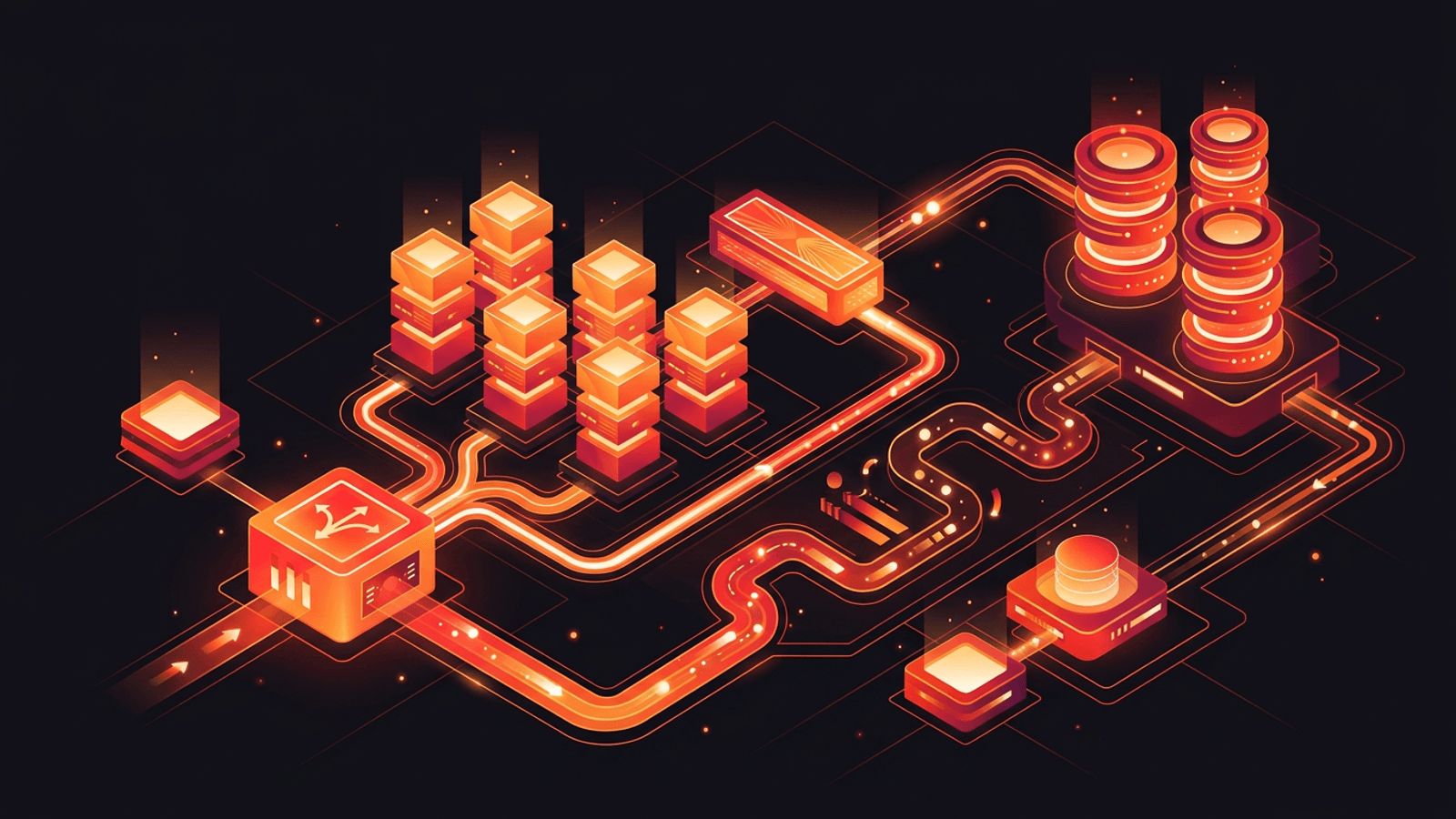
Building a website for a few hundred visitors is very different from building a platform that serves millions of users around the world. As applications grow, questions about scalability, reliability, data consistency, and performance become critical. System design is the discipline that answers these questions. It involves planning the architecture, components, data flows, and infrastructure that allow a web application to function efficiently under real-world conditions. In this article, we explore what system design is in web development, its core concepts, and why it matters for businesses building digital products.
How AAMAX.CO Architects Scalable Web Platforms
Strong system design is the difference between an application that thrives under growth and one that collapses under pressure. AAMAX.CO is a full-service digital marketing company offering web development, digital marketing, and SEO services worldwide. Their engineering team plans robust architectures, selects the right databases and infrastructure, and builds systems that scale with their clients' success. Through their web application development services, they deliver platforms that are secure, high-performing, and prepared for future expansion.
What Is System Design?
System design is the process of defining the architecture, modules, interfaces, and data for a software system to satisfy specific requirements. In web development, it covers how front-end clients communicate with back-end services, how data is stored and retrieved, how traffic is distributed, how failures are handled, and how the system scales as demand increases.
System design typically addresses two types of requirements. Functional requirements describe what the system must do, such as allowing users to sign up, upload photos, or place orders. Non-functional requirements describe how well the system must perform, including availability, latency, scalability, security, and maintainability.
High-Level vs. Low-Level Design
System design is often divided into two levels. High-level design focuses on the overall architecture: which services exist, how they communicate, which databases are used, and how infrastructure is organized. Low-level design dives into the details of individual components, such as class structures, database schemas, API contracts, and algorithms. Both levels are essential for building systems that are reliable and easy to maintain.
Core Components of Web System Design
- Clients: Browsers and mobile apps that send requests and display results to users.
- DNS and CDN: DNS routes users to servers, while content delivery networks cache static assets close to users for faster delivery.
- Load balancers: Distribute incoming traffic across multiple servers to prevent overload and improve availability.
- Application servers: Run business logic and handle API requests.
- Databases: Store persistent data using relational systems like PostgreSQL and MySQL or NoSQL systems like MongoDB and DynamoDB.
- Caches: In-memory stores like Redis reduce database load and speed up frequently accessed data.
- Message queues: Tools like RabbitMQ, Kafka, and SQS handle asynchronous tasks and decouple services.
- Object storage: Services that store images, videos, and files efficiently at scale.
Key Concepts in System Design
Scalability is the ability to handle increased load. Vertical scaling adds more power to a single machine, while horizontal scaling adds more machines. Most large web systems rely on horizontal scaling for flexibility and resilience.
Availability and reliability ensure the system remains operational even when components fail. Techniques include redundancy, replication, health checks, and automatic failover.
Latency and performance focus on responding to users quickly. Caching, CDNs, efficient queries, and edge computing all reduce response times.
Consistency describes how up to date data is across distributed systems. The CAP theorem explains the trade-offs between consistency, availability, and partition tolerance, guiding database choices.
Security protects data and users through authentication, authorization, encryption, rate limiting, and secure network design.
Monolith vs. Microservices
One of the most important architectural decisions is whether to build a monolith or microservices. A monolithic architecture packages all functionality into a single application, which is simpler to develop, test, and deploy, making it ideal for startups and smaller teams. Microservices split functionality into independent services that communicate over APIs, allowing teams to scale and deploy components separately. However, microservices add complexity in networking, monitoring, and data management. Many successful companies start with a well-structured monolith and gradually extract services as needs evolve.
Database Design Decisions
Choosing the right database depends on data structure and access patterns. Relational databases provide strong consistency and powerful querying for structured data. NoSQL databases offer flexibility and horizontal scalability for unstructured or rapidly changing data. Techniques like indexing, replication, sharding, and read replicas improve performance and scalability as data volumes grow.
Observability and Monitoring
A well-designed system includes logging, metrics, and tracing so teams can understand how the application behaves in production. Monitoring tools alert engineers to errors, slowdowns, and outages before they affect many users. Observability turns system design from a one-time plan into a continuous process of improvement.
Why System Design Matters for Businesses
Poor system design leads to slow pages, outages during traffic spikes, security vulnerabilities, and expensive rewrites. Thoughtful system design ensures that applications remain fast and reliable as they grow, reduces infrastructure costs, and enables teams to add features without breaking existing functionality. For businesses, this translates into better customer experiences, higher revenue, and a stronger competitive position.
Conclusion
System design in web development is the blueprint that determines how an application handles users, data, and growth. By planning components like load balancers, caches, databases, and queues, and balancing trade-offs in scalability, availability, and consistency, engineers create systems that perform reliably under pressure. Investing in sound system design from the beginning saves time and money while laying the foundation for long-term success.