
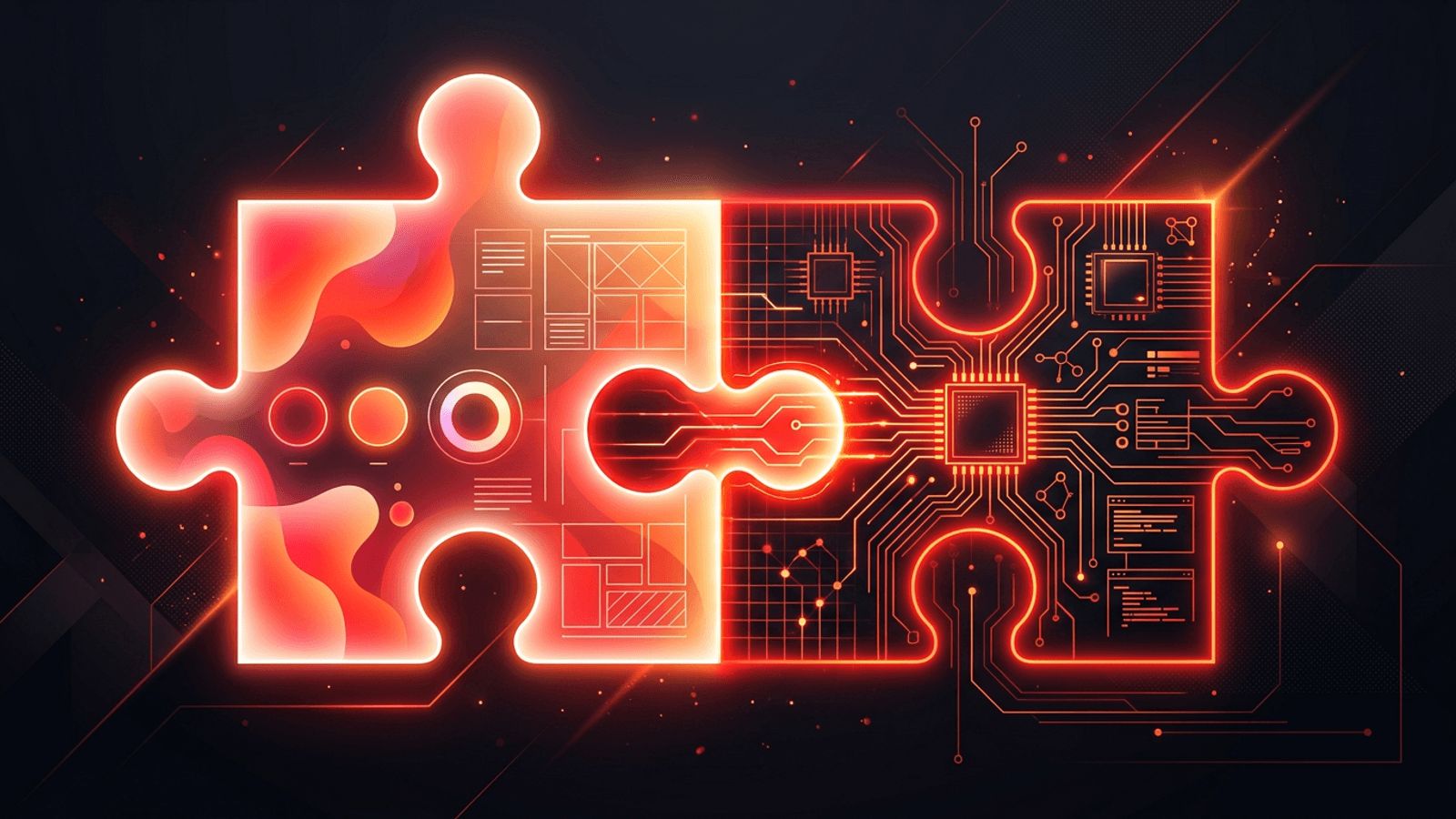
If you are planning a new website, hiring a team, or considering a career in the digital industry, you will inevitably ask the question: what is the difference between web design and development? Both are essential to building websites, yet they represent distinct crafts with unique workflows, career paths, and outcomes. One focuses on the visual and experiential side of a website, while the other focuses on the technical engineering that makes it work. In this article, we take a practical look at both disciplines through the lens of a real project lifecycle, career skills, and business value.
Why Businesses Trust AAMAX.CO for Design and Development
Projects run smoothest when designers and developers collaborate closely from the very first meeting. AAMAX.CO is a full-service digital marketing company offering web development, digital marketing, and SEO services worldwide. Their integrated team of designers, developers, and SEO specialists works together on every project, eliminating the gaps that often occur between creative and technical handoffs. Businesses that choose their website development services receive websites that are beautifully designed, technically sound, and built to rank and convert.
Web Design Explained
Web design is the creative process of planning the look, layout, and user experience of a website. Web designers combine art and psychology to create interfaces that are attractive, intuitive, and aligned with a brand's identity. They consider how users think, what they need, and how to guide them toward actions like purchasing, subscribing, or contacting a business.
Designers make decisions about visual hierarchy, color, typography, imagery, iconography, whitespace, and interaction patterns. They create wireframes to map structure, high-fidelity mockups to visualize the final look, and prototypes to test user flows before development begins.
Web Development Explained
Web development is the technical process of building and maintaining websites. Developers write code that transforms designs into functional, interactive websites. They ensure pages load quickly, forms submit correctly, data is stored securely, and the website works across all browsers and devices.
Front-end developers build the client side using HTML, CSS, and JavaScript frameworks. Back-end developers create server logic, databases, and APIs using languages like PHP, Python, Node.js, or Java. Full-stack developers handle both. Developers also manage deployment, hosting, version control, testing, and performance optimization.
The Project Lifecycle: Who Does What
Looking at a typical website project clarifies how the two roles differ:
- Discovery: Designers research users, competitors, and brand goals. Developers assess technical requirements, integrations, and platform options.
- Planning: Designers create sitemaps and wireframes. Developers plan architecture, databases, and hosting environments.
- Design: Designers produce visual mockups, style guides, and interactive prototypes for approval.
- Development: Developers build the front end, back end, CMS, and integrations based on approved designs.
- Testing: Designers review visual accuracy and usability. Developers test functionality, performance, security, and compatibility.
- Launch and maintenance: Developers deploy the site and handle updates, while designers refine the experience based on analytics and feedback.
Skills Comparison
Web designers typically excel in visual design principles, color theory, typography, UX research, wireframing, prototyping, and tools like Figma and Adobe Creative Cloud. Soft skills such as empathy, communication, and creativity are crucial.
Web developers typically excel in programming languages, frameworks, databases, APIs, debugging, version control with Git, and problem-solving. They also need logical thinking, attention to detail, and the ability to learn new technologies quickly as the industry evolves.
Career Paths and Specializations
Design careers include UI designer, UX designer, product designer, interaction designer, and visual designer. Development careers include front-end developer, back-end developer, full-stack developer, DevOps engineer, and web performance specialist. Hybrid roles, sometimes called design engineers or UX engineers, bridge both worlds and are increasingly in demand as tools like design systems and component libraries blur the lines between disciplines.
Which One Does Your Business Need?
Most businesses need both. If your current website looks outdated, confuses visitors, or fails to reflect your brand, design improvements will have the biggest impact. If your website is slow, insecure, difficult to update, or lacks necessary functionality, development work is the priority. For new websites, a combined approach ensures that the final product is both visually compelling and technically robust. Hiring a single agency that offers both avoids miscommunication and keeps the project on schedule and budget.
How Design and Development Impact SEO
Both disciplines directly affect search engine performance. Design influences user engagement metrics such as time on page, bounce rate, and conversion rate, which signal content quality. Development influences technical SEO factors including page speed, mobile responsiveness, crawlability, structured data, and secure HTTPS connections. A website optimized in both areas has a significant advantage in organic search.
Conclusion
The difference between web design and development lies in focus: designers shape the experience and appearance, while developers build the functionality and infrastructure. Each discipline requires distinct skills and tools, yet both are indispensable to a successful website. By understanding their roles and ensuring they collaborate closely, businesses can launch websites that captivate visitors, perform flawlessly, and drive sustained growth.