
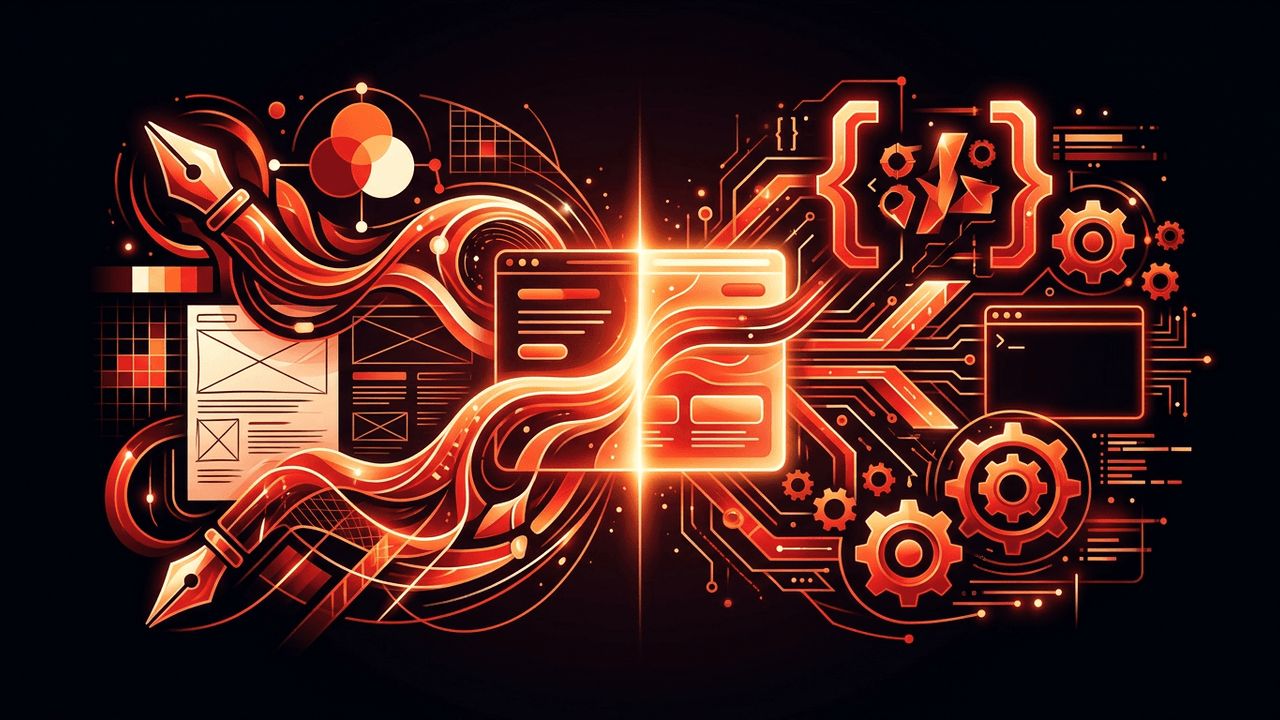
When businesses set out to build a new website, they often hear the terms web design and web development used together. While closely related, they refer to different disciplines with distinct skills, tools, and responsibilities. Web design is primarily concerned with the visual appearance, layout, and user experience of a website. Web development focuses on turning those designs into functioning websites through code, databases, and server technology. Understanding the difference helps you communicate clearly with your project team, budget accurately, and appreciate how both roles combine to create a successful website.
How AAMAX.CO Combines Design and Development Expertise
Businesses get the best results when design and development work hand in hand, and AAMAX.CO brings both disciplines together under one roof. They are a full-service digital marketing company offering web development, digital marketing, and SEO services worldwide. Their designers craft intuitive, brand-aligned interfaces through their website design services, while their developers build fast, secure, and scalable solutions through their website development services. This collaborative approach ensures that every project looks impressive and works flawlessly.
What Is Web Design?
Web design is the process of planning and creating the visual and interactive aspects of a website. Web designers focus on how a site looks and how users experience it. Their work includes choosing layouts, typography, color schemes, imagery, icons, and spacing. They also plan user flows, navigation structures, and interactions to ensure visitors can find information and complete tasks easily.
Web design includes several specialties. User experience (UX) design focuses on research, usability, and the overall journey a visitor takes. User interface (UI) design focuses on the visual elements users interact with, such as buttons, menus, and forms. Visual design emphasizes aesthetics and brand consistency. Many designers work across all these areas, especially on smaller projects.
Common Tools and Skills of Web Designers
Web designers commonly use tools like Figma, Adobe XD, Sketch, Adobe Photoshop, and Illustrator to create wireframes, mockups, and interactive prototypes. Key skills include visual composition, color theory, typography, responsive layout planning, accessibility awareness, user research, and an understanding of conversion principles. Many designers also have basic knowledge of HTML and CSS, which helps them create designs that are practical to build.
What Is Web Development?
Web development is the process of building and maintaining the technical structure of a website. Developers write code that brings designs to life, ensures the website functions correctly, and connects it to databases, servers, and third-party services. Web development is usually divided into three areas.
Front-end development involves building everything users see and interact with in the browser. Front-end developers use HTML, CSS, and JavaScript, along with frameworks like React, Vue, or Angular, to turn designs into responsive, interactive pages.
Back-end development handles the server side, including databases, application logic, user authentication, and APIs. Back-end developers work with languages such as PHP, Python, Node.js, Ruby, Java, or C#, and databases like MySQL, PostgreSQL, or MongoDB.
Full-stack development combines both front-end and back-end skills, allowing one developer to build complete web applications.
Common Tools and Skills of Web Developers
Developers rely on code editors like Visual Studio Code, version control systems like Git, package managers, build tools, testing frameworks, and hosting or deployment platforms. Important skills include programming logic, debugging, performance optimization, security best practices, database design, and API integration. Developers also need to understand responsive design, accessibility standards, and search engine optimization to ensure the finished website performs well.
Key Differences Between Web Design and Web Development
Focus. Design focuses on appearance and user experience, while development focuses on functionality and technical performance.
Output. Designers produce wireframes, mockups, style guides, and prototypes. Developers produce working code, databases, and live websites.
Skills. Designers rely on creativity, visual communication, and user psychology. Developers rely on programming, problem-solving, and technical architecture.
Tools. Designers use design and prototyping software, while developers use code editors, frameworks, and development environments.
How Designers and Developers Work Together
Successful website projects depend on close collaboration. Typically, the process begins with discovery and planning, where goals, audiences, and requirements are defined. Designers then create wireframes and visual designs, gathering feedback from stakeholders. Developers review designs early to flag technical challenges and suggest efficient solutions. Once designs are approved, developers build the website, often using design systems and component libraries to ensure consistency. Both teams participate in testing to confirm that the website looks correct and functions properly across devices and browsers.
Which One Do You Need?
Most website projects need both design and development. If you already have a functioning website but want a fresh look, you may focus more on design. If your website looks good but needs new features, integrations, or performance improvements, development is the priority. For new websites, online stores, and web applications, hiring a team or agency that offers both ensures a cohesive result and reduces miscommunication between separate vendors.
Overlapping Roles and Modern Trends
The line between design and development continues to blur. Many designers now learn front-end coding, and developers increasingly study UX principles. Tools like design systems, component-based frameworks, and no-code builders help bridge the gap. Roles such as UX engineer and design technologist combine both skill sets, reflecting the industry's growing emphasis on collaboration.
Conclusion
Web design and web development are two sides of the same coin. Design shapes how a website looks and feels, while development determines how it works. Both are essential to creating a website that attracts visitors, delivers a great experience, and achieves business goals. By understanding their differences and how they complement each other, you can plan better projects and choose the right professionals to bring your vision to life.