
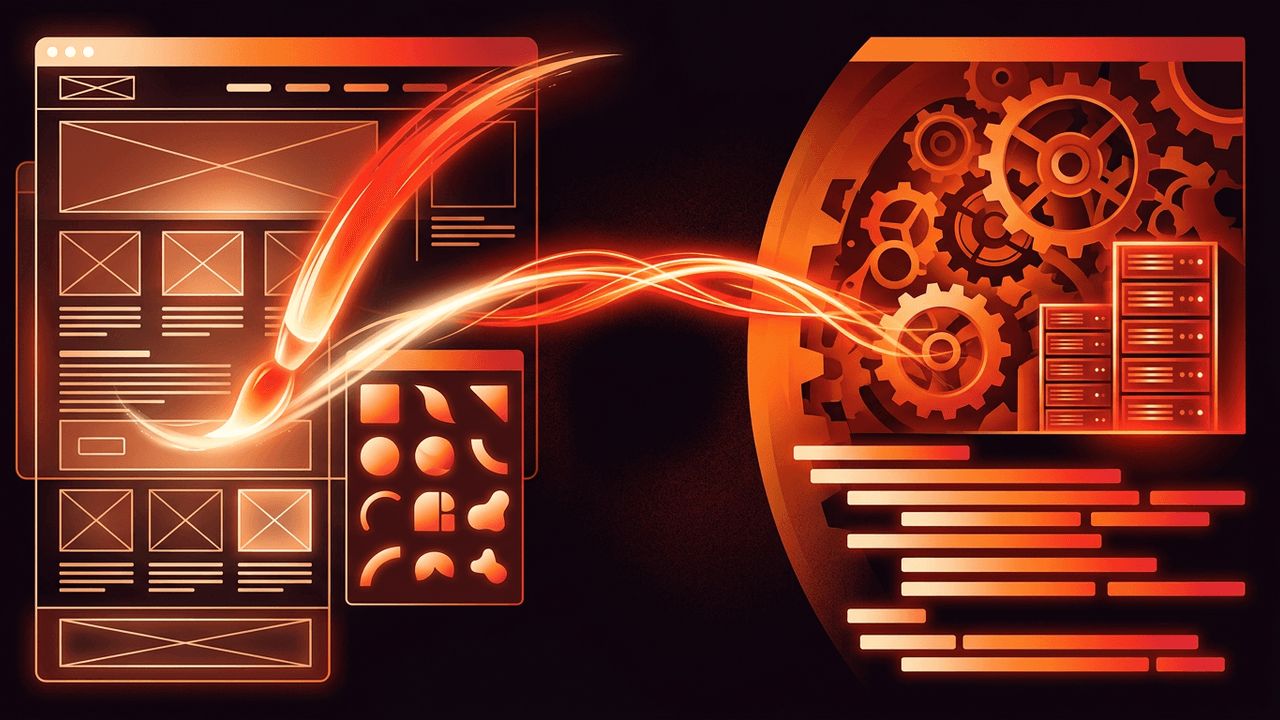
The terms web designing and web development are often used interchangeably, but they describe two distinct disciplines that work together to create a website. If you are planning a new website, hiring professionals, or considering a career in the digital industry, understanding the difference between these roles is essential. Web designers focus on the look, feel, and user experience, while web developers focus on writing the code that makes everything function. In this article, we break down the differences between web designing and web development, compare the skills and tools each requires, explain how they collaborate, and help you decide which expertise your project needs.
Design and Development Under One Roof with AAMAX.CO
The best websites are created when designers and developers collaborate seamlessly. AAMAX.CO is a full-service digital marketing company offering web development, digital marketing, and SEO services worldwide. Their team includes experienced designers and developers who work side by side, so creative concepts are translated accurately into fast, functional websites. Whether a business needs a marketing site or a complex platform built through their web application development services, they manage the full journey from user experience planning and visual design to coding, testing, and launch.
What Is Web Designing?
Web designing is the process of planning and creating the visual and experiential aspects of a website. Designers decide how a site should look, how information should be organized, and how users should move through pages. Their work includes layout, color schemes, typography, imagery, navigation structure, and interactive elements. The output is usually wireframes, mockups, style guides, and interactive prototypes that serve as blueprints for development.
Types of Web Designers
- UX designers: Focus on user research, journeys, information architecture, and usability testing.
- UI designers: Focus on the visual interface, including buttons, icons, forms, and design systems.
- Visual designers: Blend branding and graphic design to create a cohesive aesthetic.
What Is Web Development?
Web development is the process of building and maintaining websites using code. Developers turn designs into functional pages, connect databases, implement features, and ensure the site is secure, fast, and reliable. Development covers everything from simple static pages to complex web applications with user accounts, payments, and real-time data.
Types of Web Developers
- Front-end developers: Build the client-side interface with HTML, CSS, and JavaScript frameworks like React or Vue.
- Back-end developers: Build server logic, APIs, and databases using languages such as Node.js, PHP, Python, or Java.
- Full-stack developers: Work across both front-end and back-end development.
Key Differences Between Web Designing and Web Development
Focus and Purpose
Web designing focuses on aesthetics, usability, and user experience. Web development focuses on functionality, performance, and technical implementation. Designers answer the question of how the site should look and feel, while developers answer how it should work.
Skills Required
Designers need strong visual skills, an understanding of color theory, typography, layout principles, user psychology, and accessibility standards. Developers need programming knowledge, problem-solving abilities, understanding of databases, security practices, version control, and performance optimization.
Tools Used
Designers commonly use Figma, Sketch, Adobe Photoshop, Illustrator, and prototyping tools. Developers use code editors like Visual Studio Code, version control systems like Git, frameworks, command-line tools, browser developer tools, and hosting platforms.
Deliverables
Designers deliver wireframes, mockups, prototypes, and design systems. Developers deliver working code, deployed websites, APIs, database structures, and technical documentation.
Thinking Style
Design is often described as right-brained, emphasizing creativity, empathy, and visual communication. Development is often described as left-brained, emphasizing logic, structure, and technical precision. In reality, both roles require creativity and analytical thinking.
How Designers and Developers Work Together
A typical project begins with designers researching users and creating wireframes and visual mockups. Developers review these designs early to flag technical constraints and suggest solutions. Once designs are approved, developers build the site, frequently checking with designers to ensure accuracy. After launch, both teams analyze user behavior and performance data to make improvements. Shared design systems, component libraries, and handoff tools help keep the collaboration smooth and consistent.
The Overlap Between Design and Development
The line between design and development has blurred in recent years. Many designers learn HTML and CSS to better understand how their designs are built, while front-end developers often develop strong design sensibilities. Visual builders such as Webflow and Framer allow designers to create functional websites without traditional coding. Roles like UX engineer or design technologist specifically bridge both worlds.
Which One Does Your Project Need?
Most professional websites need both disciplines. A beautiful design without proper development will not function well, and a technically excellent site with poor design will struggle to engage users. Small projects may be handled by a single professional with skills in both areas, while larger projects benefit from dedicated designers and developers. Consider your goals: if your brand image and user experience need improvement, prioritize design; if you need complex functionality, integrations, or performance improvements, prioritize development.
Career Considerations
If you enjoy visual creativity, understanding people, and crafting experiences, web design may be the right path. If you enjoy problem-solving, logic, and building systems, web development may suit you better. Both careers offer strong demand, remote work opportunities, and paths for growth. Developers often earn slightly higher average salaries, but specialized UX designers can earn comparable incomes.
Conclusion
The difference between web designing and web development lies in focus: design shapes how a website looks and feels, while development makes it function. Each requires different skills, tools, and thinking styles, but both are essential for creating successful websites. When designers and developers collaborate effectively, the result is a site that is visually compelling, easy to use, technically sound, and built to support business goals.