
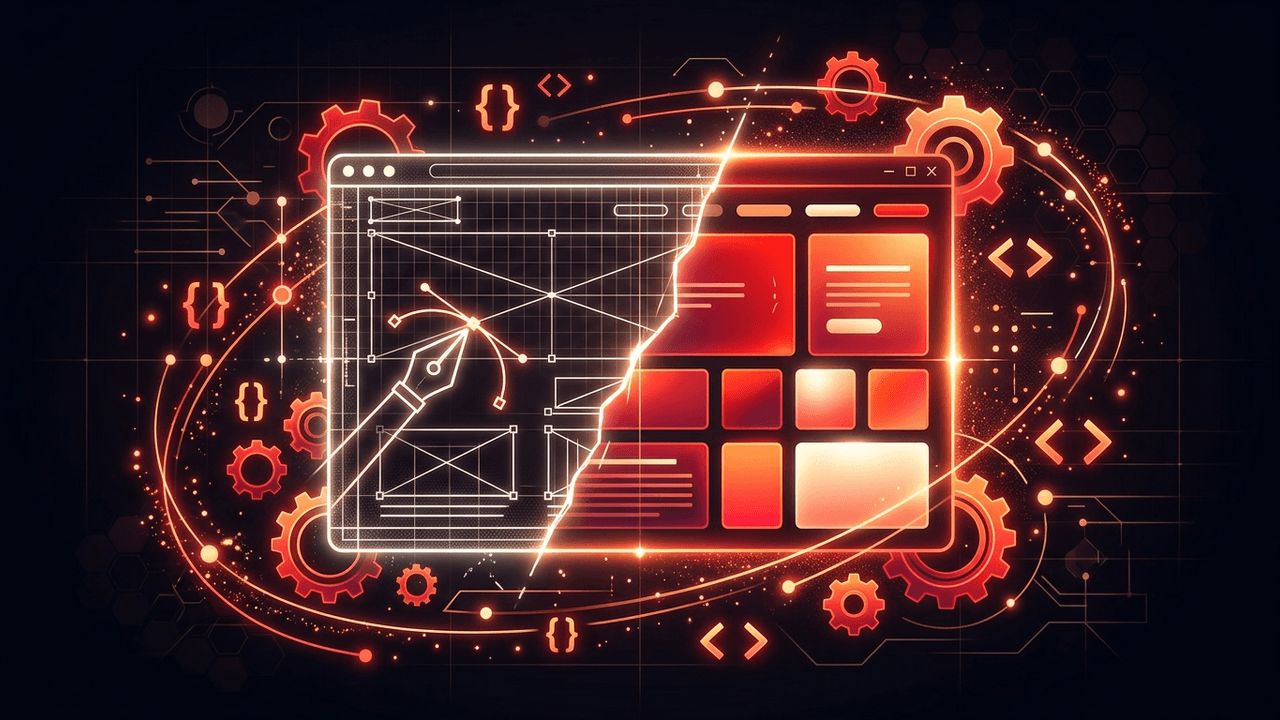
Web design and development is the end-to-end process of creating websites, from the first planning conversations to the final launch and beyond. It combines the creative discipline of web design, which shapes how a website looks and feels, with the technical discipline of web development, which makes the website function. Together, they produce the digital experiences people use every day, from small business websites and personal blogs to online stores and sophisticated web applications. Understanding web design development as a unified process helps businesses plan projects effectively, set realistic expectations, and achieve websites that truly support their goals.
How AAMAX.CO Delivers Complete Web Design and Development
Businesses seeking a single partner for the entire website lifecycle often choose AAMAX.CO. They are a full-service digital marketing company offering web development, digital marketing, and SEO services worldwide. Their team handles strategy, design, development, testing, launch, and ongoing optimization under one roof. Whether clients need a professional business website or a custom platform built through their web application development services, they deliver solutions that are visually compelling, technically robust, and built to perform in search results.
Understanding Web Design
Web design focuses on the user-facing aspects of a website. Designers plan layouts, choose typography and color palettes, create visual hierarchy, and design interactive elements such as buttons, menus, and forms. Beyond aesthetics, web design includes user experience (UX) design, which ensures visitors can easily find information and complete tasks, and user interface (UI) design, which focuses on the look and behavior of interactive components. Good web design also considers accessibility, responsiveness across devices, and brand consistency.
Understanding Web Development
Web development turns designs into functional websites. Front-end developers write HTML, CSS, and JavaScript to build what users see and interact with in their browsers. Back-end developers build server-side logic, databases, APIs, and integrations that power features like user accounts, content management, and payments. Full-stack developers work across both areas. Development also involves performance optimization, security, testing, and deployment to hosting environments.
The Web Design and Development Process
Discovery and planning. Every successful project begins with understanding the business, its audience, competitors, and goals. This phase defines the project scope, features, content needs, timeline, and budget. A sitemap outlines the pages and structure of the website.
Wireframing and prototyping. Designers create wireframes, simple layouts that map out content placement and functionality without focusing on visuals. Interactive prototypes may be built to test navigation and user flows.
Visual design. Once the structure is approved, designers create high-fidelity mockups that apply branding, colors, typography, imagery, and visual details. Design systems or style guides ensure consistency across pages.
Content creation. Copywriters and content strategists prepare text, images, and videos that communicate the brand message and support SEO. Content should be written for both users and search engines.
Development. Developers build the website using appropriate technologies, such as a content management system like WordPress, a modern framework like Next.js, or a custom application stack. They implement responsive layouts, interactive features, integrations, and content management capabilities.
Testing and quality assurance. Before launch, the website is tested across browsers and devices for functionality, responsiveness, performance, accessibility, and security. Forms, links, and integrations are verified.
Launch. The website is deployed to a live hosting environment, connected to its domain, secured with SSL, and submitted to search engines. Analytics and monitoring tools are configured.
Maintenance and optimization. After launch, websites require ongoing updates, security patches, backups, content additions, and performance improvements. Analytics data guides continuous optimization.
Key Principles of Effective Web Design Development
User-centered design. Websites should prioritize the needs of their visitors, offering clear navigation, readable content, and intuitive interactions.
Mobile-first responsiveness. With most traffic coming from mobile devices, websites must perform flawlessly on every screen size.
Performance. Fast loading speeds improve user experience, conversions, and search rankings. Optimized images, efficient code, caching, and quality hosting all contribute.
Accessibility. Following accessibility standards ensures websites are usable by people with disabilities and broadens your audience.
SEO foundations. Clean code, semantic HTML, logical structure, fast performance, and optimized metadata help websites rank well.
Security. Protecting user data with SSL, secure coding practices, regular updates, and backups builds trust and prevents costly breaches.
Tools and Technologies Used
Designers commonly use Figma, Adobe XD, and Sketch for wireframes and mockups. Developers use code editors like Visual Studio Code, version control with Git, frameworks such as React, Vue, and Next.js, and content management systems like WordPress or headless platforms. Hosting platforms, analytics tools, and testing services complete the toolkit.
Why Professional Web Design Development Matters
A website is often the first interaction a customer has with a business. A professional, well-built website builds credibility, communicates value, and converts visitors into customers. Poor design or development, such as slow loading, broken features, or confusing navigation, can drive visitors away and damage a brand's reputation. Investing in quality web design and development delivers long-term returns through better engagement, visibility, and conversions.
Conclusion
Web design development is the combined process of planning, designing, building, and maintaining websites. Design ensures a website is attractive, intuitive, and on-brand, while development makes it fast, functional, and secure. By following a structured process and focusing on users, performance, accessibility, and SEO, businesses can create websites that serve as powerful tools for growth in an increasingly digital world.