
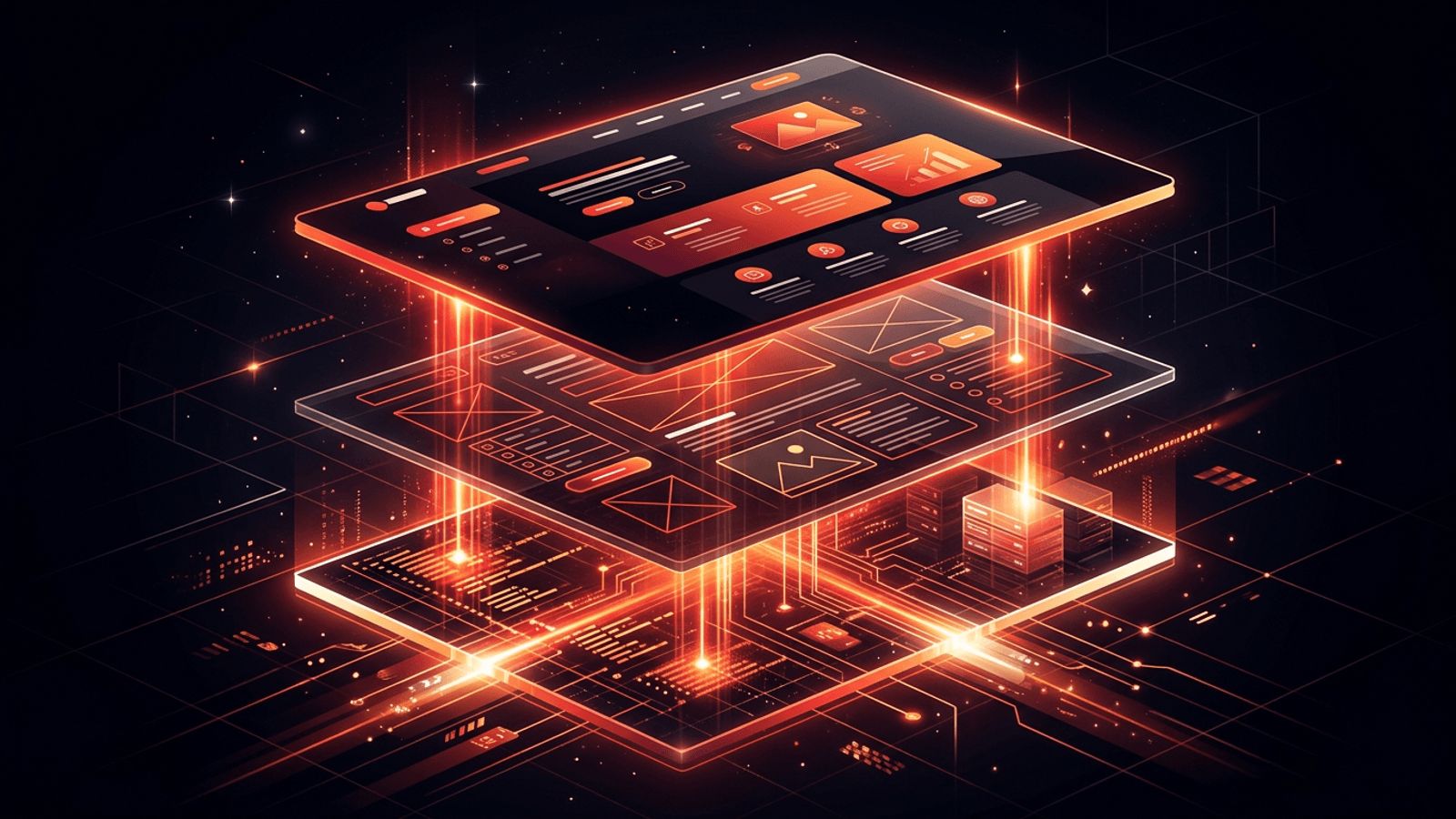
Web designing and development together form the complete craft of creating websites, from the first sketch on a whiteboard to a fully functional site serving visitors around the world. While the two terms describe different activities, they are so closely connected that businesses and learners often encounter them as a single combined field. Web designing shapes the look, feel, and experience of a website, while web development brings it to life with code, databases, and infrastructure. In this article, we explore what web designing and development mean as a unified discipline, the skills and technologies involved, the end-to-end process, and current trends shaping the industry.
How AAMAX.CO Delivers End-to-End Web Designing and Development
Combining design and development within one team results in faster delivery, fewer misunderstandings, and better outcomes. AAMAX.CO is a full-service digital marketing company offering web development, digital marketing, and SEO services worldwide. Their designers and developers collaborate on every project, ensuring that creative vision and technical execution remain aligned. Through their website development services, they build complete digital experiences, from brand-aligned design to secure, scalable, search-optimized websites.
What Is Web Designing?
Web designing is the process of planning and creating the visual and interactive aspects of a website. It involves understanding users, organizing content, and crafting interfaces that are attractive, intuitive, and aligned with brand identity. Web designers make decisions about layout, color, typography, imagery, icons, spacing, and interactions.
Key areas of web designing include user experience (UX) design, which focuses on research, user journeys, and information architecture, and user interface (UI) design, which focuses on the visual presentation of buttons, forms, menus, and other components. Designers use tools such as Figma, Adobe XD, and Sketch to create wireframes, mockups, and prototypes.
What Is Web Development?
Web development is the process of building and maintaining websites using programming languages, frameworks, and tools. Developers translate designs into functional code, connect websites to databases, integrate third-party services, and ensure everything runs smoothly and securely.
Front-end development handles the parts users see and interact with, built with HTML, CSS, and JavaScript frameworks like React, Vue, and Next.js. Back-end development handles servers, databases, authentication, and APIs, using technologies like Node.js, PHP, Python, and SQL. Full-stack developers work across both areas.
Why Design and Development Belong Together
A website succeeds only when it both looks good and works well. Design without strong development can result in beautiful websites that load slowly, break on mobile, or fail to function correctly. Development without thoughtful design can result in technically sound websites that confuse visitors and fail to convert. When designers and developers collaborate closely, they create websites that are visually compelling, user-friendly, fast, secure, and optimized for search engines.
Modern practices like design systems, component libraries, and design tokens help bridge the gap between the two disciplines, allowing teams to build consistent, scalable interfaces efficiently.
The End-to-End Process
- Discovery: Define business goals, target audiences, competitors, and project requirements.
- Planning: Create a sitemap, content strategy, and technical architecture.
- Wireframing: Map out page structures and user flows without visual styling.
- Visual design: Apply branding, colors, typography, and imagery to create high-fidelity mockups.
- Front-end development: Build responsive, interactive interfaces from approved designs.
- Back-end development: Implement databases, content management, integrations, and business logic.
- Testing: Verify functionality, performance, accessibility, security, and cross-browser compatibility.
- Launch: Deploy the website, configure analytics, and submit sitemaps to search engines.
- Maintenance and growth: Monitor performance, update content, apply security patches, and refine based on data.
Essential Skills in Web Designing and Development
Professionals in this field benefit from a blend of creative and technical abilities. Design skills include visual composition, color theory, typography, user research, and prototyping. Development skills include programming, debugging, version control with Git, database management, and API integration. Shared skills such as responsive design, accessibility, performance optimization, SEO fundamentals, and clear communication are valuable for everyone involved in building websites.
Current Trends in Web Designing and Development
The industry evolves constantly. Some notable trends include mobile-first and responsive design as the default approach, the rise of component-based frameworks and server-side rendering for speed and SEO, headless content management systems that separate content from presentation, and AI-assisted tools that accelerate design and coding tasks. Accessibility and inclusive design are gaining importance, as are performance optimization for Core Web Vitals, dark mode support, micro-interactions, and sustainable web design that reduces energy consumption.
Benefits for Businesses
Investing in professional web designing and development delivers significant value. A well-designed, well-built website builds credibility, attracts organic traffic, improves user engagement, and increases conversions. It also provides a scalable foundation for future marketing efforts, e-commerce expansion, and new digital products. In a competitive marketplace, a high-quality website can be one of the most powerful assets a business owns.
Conclusion
Web designing and development together encompass everything needed to create a successful website, from understanding users and crafting visual experiences to writing code and maintaining infrastructure. Design ensures that websites are attractive and intuitive, while development ensures they are functional, fast, and secure. When both disciplines work in harmony, businesses gain websites that impress visitors, perform reliably, and drive meaningful growth.