
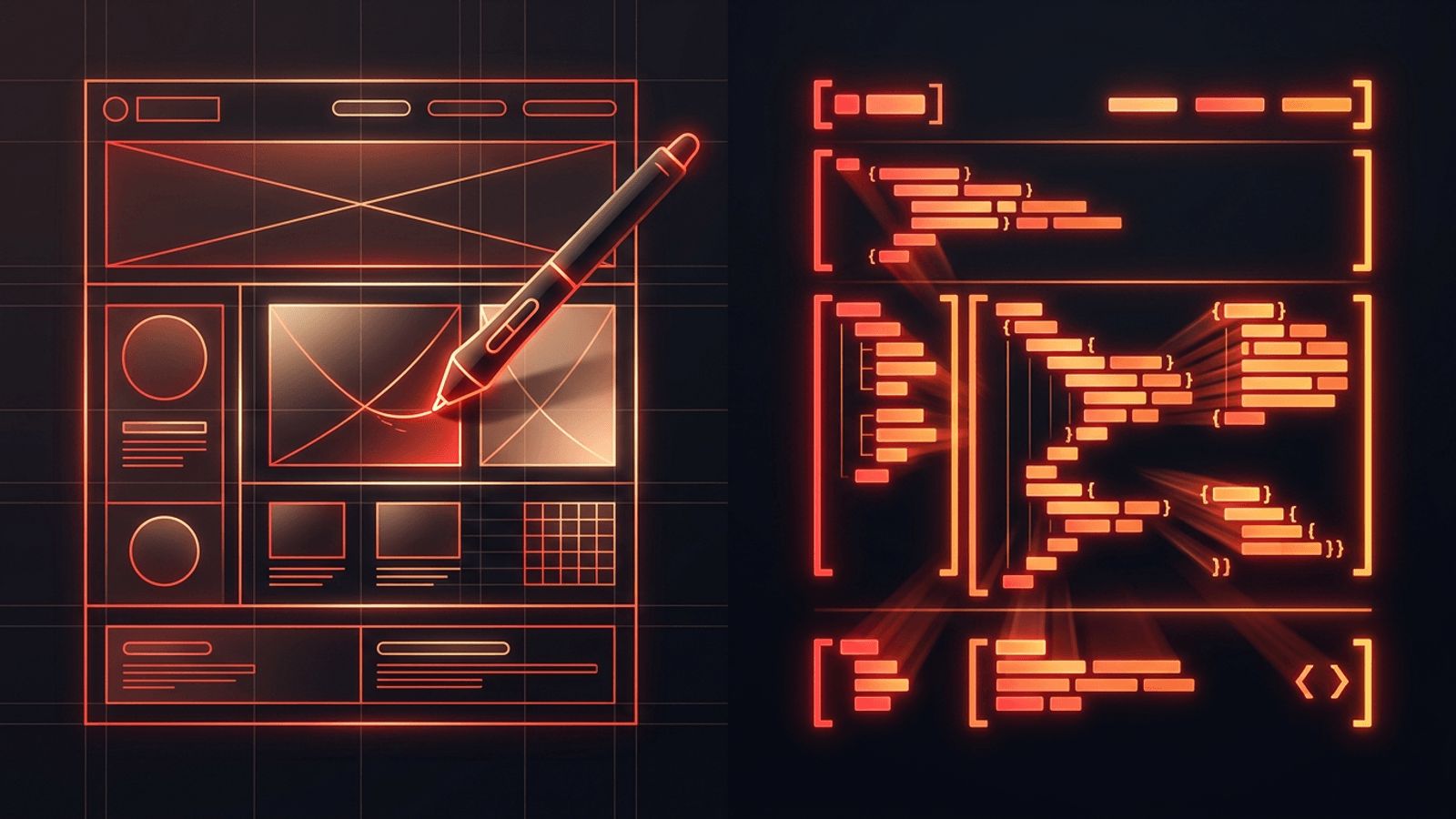
A successful web page is the product of two distinct but tightly connected crafts. Design decides how the page looks, feels, and guides visitors toward action. Development turns that vision into working code that browsers can display and users can interact with. When people ask what web page design and development means, they are really asking how ideas become functional digital experiences. This guide walks through both disciplines, their processes, and how they come together to create pages that look great and perform even better.
How AAMAX.CO Brings Design and Development Together
Many businesses struggle when designers and developers work in silos. AAMAX.CO is a full-service digital marketing company offering web development, digital marketing, and SEO services worldwide, and they bridge that gap by handling both disciplines under one roof. Their creative team produces user-focused layouts through professional website design, while their engineers build those layouts with fast, accessible, search-friendly code. Because strategy, design, and development are coordinated from the start, their clients receive websites that are visually consistent, technically sound, and built to convert.
What Is Web Page Design?
Web page design focuses on the visual and experiential side of a website. Designers decide on layout, color palette, typography, imagery, spacing, and interactive elements such as buttons and menus. Their goal is not just aesthetics but usability: helping visitors find information quickly and complete tasks without frustration.
Good design starts with research. Designers study the target audience, competitors, and business goals. They then create wireframes, which are simple blueprints showing where content will sit, followed by high-fidelity mockups that show exactly how the finished page should look. Popular tools include Figma, Adobe XD, and Sketch.
Key Elements of Effective Web Design
- Visual hierarchy: Arranging elements so the most important information stands out first.
- Consistency: Using a unified style across pages to build brand recognition and trust.
- Responsive layouts: Ensuring pages adapt smoothly to phones, tablets, and desktops.
- Accessibility: Designing with sufficient color contrast, readable fonts, and clear focus states for all users.
- Clear calls to action: Guiding visitors toward goals like signing up, buying, or contacting the business.
What Is Web Page Development?
Web page development is the technical process of building the page so it works in a browser. Developers write code that structures content, applies styles, and adds interactivity. Development is commonly split into two areas.
Front-end development covers everything users see and interact with. It relies on HTML for structure, CSS for styling, and JavaScript for behavior. Modern front-end developers often use frameworks such as React, Vue, or Next.js to build fast, component-based interfaces.
Back-end development handles the server side, including databases, user authentication, business logic, and integrations with third-party services. Languages and platforms such as Node.js, PHP, Python, and Ruby power this layer, along with databases like PostgreSQL and MongoDB.
Design vs. Development: Understanding the Difference
Design answers the question "What should this look like and how should it feel?" Development answers "How do we make it work reliably for everyone?" A designer may specify a sticky navigation bar with a smooth animation, while a developer figures out how to implement it efficiently across browsers without hurting performance. Neither discipline is more important than the other. A beautiful design built with sloppy code will load slowly and break, while flawless code wrapped in a confusing interface will fail to engage visitors.
The Web Page Design and Development Process
Most professional projects follow a structured workflow:
- Discovery: Define goals, audience, content requirements, and success metrics.
- Information architecture: Plan the site structure and navigation.
- Wireframing: Sketch layouts that focus on content placement and user flow.
- Visual design: Apply branding, color, and typography to create polished mockups.
- Development: Convert designs into responsive, accessible code and connect any back-end features.
- Testing: Check functionality, performance, accessibility, and compatibility across devices.
- Launch and optimization: Deploy the site, monitor analytics, and refine based on real user behavior.
Why SEO and Performance Belong in Both Disciplines
Search engine optimization is often treated as an afterthought, but it should influence design and development from the beginning. Designers can structure content with clear headings and scannable sections, while developers ensure semantic HTML, fast load times, optimized images, and proper metadata. Core Web Vitals, which measure loading speed, interactivity, and visual stability, are directly affected by both design choices and code quality. Planning for them early prevents costly rework.
Skills and Tools Used Today
Designers rely on prototyping tools, design systems, and user testing platforms. Developers use code editors like Visual Studio Code, version control with Git, package managers, and deployment platforms that automate builds. Increasingly, both roles collaborate through shared component libraries, which keep designs and code in sync and speed up future updates.
Choosing Professionals for Your Project
When hiring help, look for a portfolio that shows both strong visual work and fast, functional websites. Ask how the team handles communication between designers and developers, how they test for accessibility and performance, and what support they provide after launch. A partner who understands your business goals will make better decisions at every stage.
Conclusion
Web page design and development are two halves of the same goal: creating online experiences that attract, engage, and convert visitors. Design shapes the look, feel, and usability, while development brings that vision to life with reliable, efficient code. When both disciplines work together from discovery to launch, the result is a website that reflects your brand, performs well in search, and delivers measurable business value for years to come.