
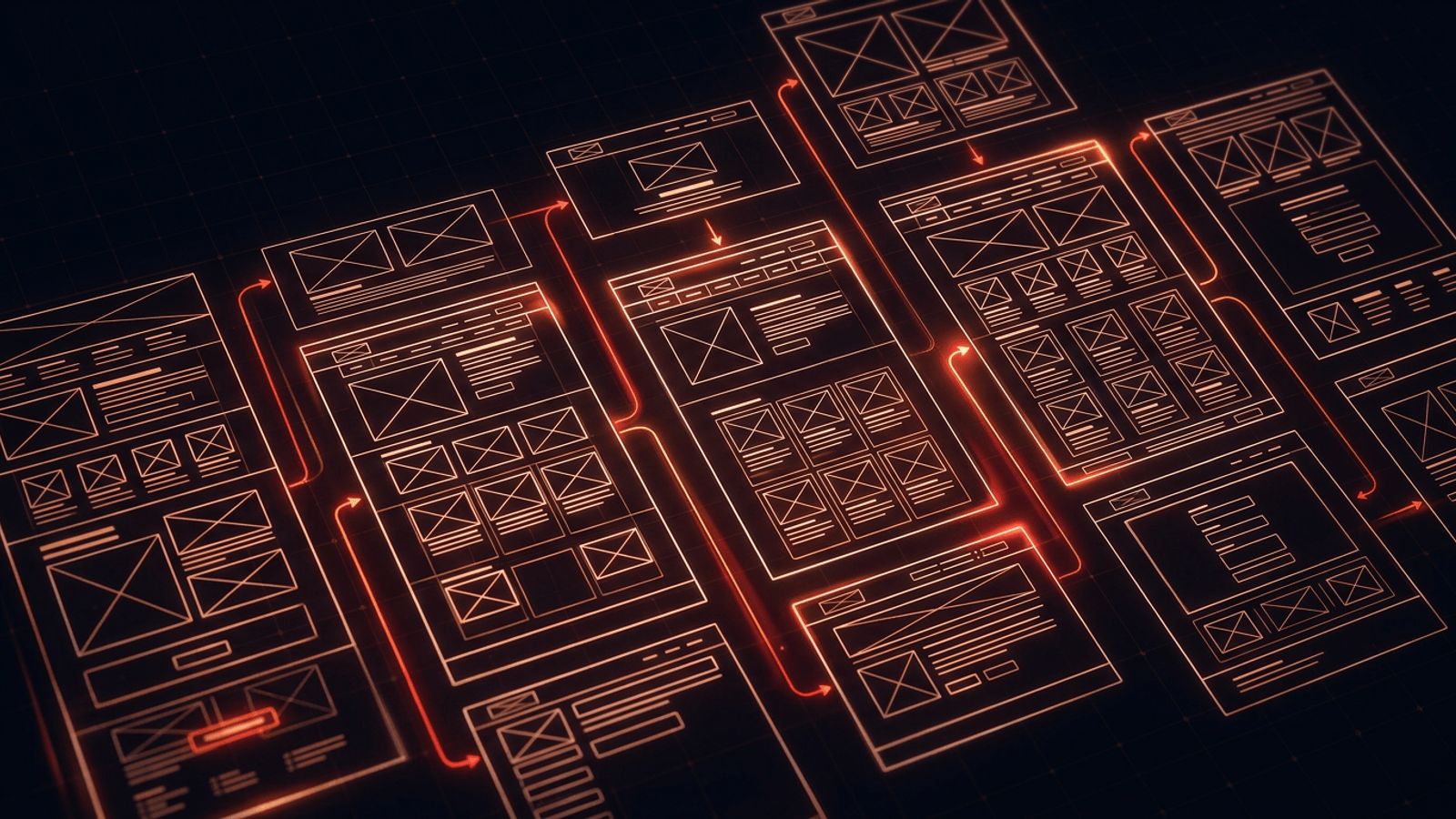
Before a building is constructed, architects draw blueprints that show where walls, doors, and windows will go. Websites follow a similar path. Before designers choose colors or developers write code, they create wireframes that map out the structure of each page. A wireframe is one of the most valuable yet often overlooked steps in web design. It helps teams align on layout, functionality, and content priorities early, saving time and money later. In this article, we explain what a wireframe is, why it matters, and how it fits into the overall web design process.
How AAMAX.CO Uses Wireframes to Build Better Websites
Professional agencies rely on wireframes to reduce risk and deliver websites that truly serve users. AAMAX.CO, a full service digital marketing company offering web development, digital marketing, and SEO services worldwide, incorporates wireframing into every project. They map user journeys, outline content hierarchy, and validate page layouts with their clients before moving into visual design and development. This structured approach, delivered through their website design service, ensures that the final product is intuitive, conversion-focused, and aligned with business goals, while avoiding costly revisions late in the project.
Defining a Wireframe
A wireframe is a low-detail, two-dimensional illustration of a web page that focuses on space allocation, content placement, and functionality. It typically uses simple shapes such as boxes, lines, and placeholder text to represent elements like headers, navigation menus, images, buttons, and forms. Wireframes intentionally avoid colors, fonts, and imagery so that everyone involved can focus on structure and usability without being distracted by visual style.
Think of a wireframe as the skeleton of a web page. It answers questions like: Where does the logo go? How many columns does the content area have? Where is the main call to action? What happens when a user clicks a particular button? By answering these questions early, wireframes create a shared understanding between designers, developers, clients, and stakeholders.
Types of Wireframes
Wireframes vary in detail depending on the stage of the project and the needs of the team. The three most common types are:
- Low-fidelity wireframes: Rough sketches, often drawn on paper or whiteboards, used for brainstorming and quick exploration of layout ideas.
- Mid-fidelity wireframes: Cleaner digital layouts with more accurate spacing, real headings, and defined component sizes, but still without branding.
- High-fidelity wireframes: Detailed layouts that include actual content, precise dimensions, and sometimes basic interactions, serving as a bridge to final mockups.
Many teams start with low-fidelity sketches and progressively refine them as ideas are validated.
Why Wireframes Are Important
Wireframes bring clarity to the earliest and most flexible stage of a project. Changing a box on a wireframe takes seconds, while changing a fully coded page can take hours or days. By resolving structural questions upfront, teams avoid expensive rework. Wireframes also help clients visualize their website early, making feedback more specific and productive.
From a usability perspective, wireframes encourage designers to prioritize content and user goals. Without colors and images competing for attention, it becomes easier to spot confusing navigation, buried calls to action, or pages that try to do too much. Wireframes also serve as documentation for developers, clarifying how components should be arranged and how interactions should work.
Wireframes, Mockups, and Prototypes
These three terms are often confused, but each serves a different purpose. A wireframe defines structure. A mockup adds visual design, including colors, typography, imagery, and branding, to show what the final page will look like. A prototype adds interactivity, allowing users to click through screens and experience the flow of the website. Together, they form a progression from idea to realistic simulation, with wireframes laying the foundation for everything that follows.
How to Create an Effective Wireframe
Creating a useful wireframe starts with understanding the purpose of the page and the needs of its users. Begin by listing the content and features each page must include. Next, organize these elements by priority, placing the most important information where users will see it first, typically near the top of the page. Use a grid system to maintain consistent alignment and spacing. Represent images with crossed boxes, text with lines or placeholder copy, and buttons with labeled rectangles.
Annotate your wireframe to explain behaviors that are not obvious, such as dropdown menus, form validation, or content that changes based on user actions. Finally, share the wireframe with stakeholders, gather feedback, and iterate until everyone agrees on the structure.
Popular Wireframing Tools
A variety of tools make wireframing fast and collaborative. Figma is widely used thanks to its real-time collaboration and extensive component libraries. Balsamiq is popular for its intentionally sketchy style that keeps the focus on structure. Other options include Adobe XD, Sketch, Whimsical, Miro, and Axure for more complex interactive specifications. Even pen and paper remain powerful for quick ideation sessions.
Wireframing for Mobile and Responsive Design
Because users access websites on devices of all sizes, wireframes should account for multiple breakpoints. Designers often create separate wireframes for mobile, tablet, and desktop views to plan how content reflows, how navigation collapses into menus, and which elements are prioritized on smaller screens. Mobile-first wireframing encourages simplicity and ensures that essential content and actions remain accessible everywhere.
Conclusion
A wireframe is the blueprint of a web page, defining its structure, content hierarchy, and functionality before visual design and development begin. It reduces risk, improves communication, and leads to more user-friendly websites. Whether sketched on paper or built in a digital tool, wireframes are a critical step that separates thoughtful, effective websites from those built on assumptions. Investing time in wireframing pays off with smoother projects and better results.