
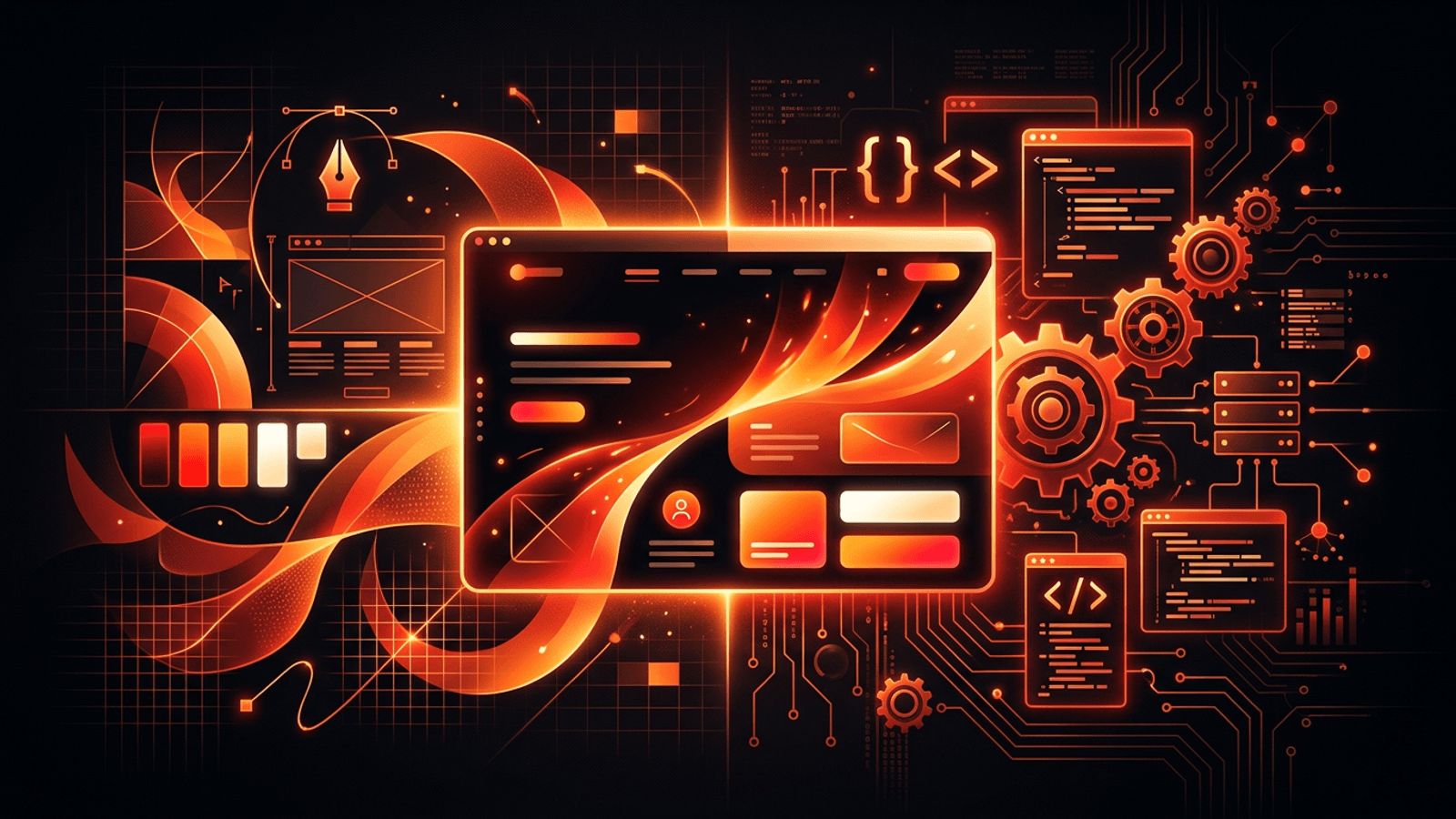
Web design and web development are two closely related disciplines that work together to create websites, yet they involve very different skills, tools, and responsibilities. Web design focuses on how a website looks and feels, while web development focuses on how it works. Many people use the terms interchangeably, which can cause confusion when hiring professionals or planning a project. In this article, we break down the difference between web design and development, explain the roles involved, and show how the two disciplines combine to produce successful websites.
Hire AAMAX.CO for Complete Web Design and Development
The most effective websites come from teams where designers and developers collaborate closely from the start. AAMAX.CO is a full-service digital marketing company offering web development, digital marketing, and SEO services worldwide. Because they provide both design and development under one roof, their clients benefit from seamless communication, consistent quality, and faster delivery. Their designers craft engaging visual experiences, and their developers bring those designs to life with clean, scalable code that performs well across all devices.
What Is Web Design?
Web design is the process of planning and creating the visual and experiential aspects of a website. Designers decide on layout, color schemes, typography, imagery, and the overall user interface. They also focus on user experience, which includes how visitors navigate the site, how information is organized, and how easily users can complete tasks. Designers often create wireframes, mockups, and interactive prototypes to visualize the final product before development begins. Professional website design balances aesthetics with usability, accessibility, and brand identity.
What Is Web Development?
Web development is the process of building and maintaining the functional side of a website. Developers write code that turns design files into working pages, connects the site to databases, and enables features such as forms, search, user accounts, and e-commerce. Development is commonly divided into front-end, which covers everything users interact with in the browser, and back-end, which handles servers, databases, and application logic. Full-stack developers work across both areas. Developers also handle performance, security, testing, and deployment.
Key Skills of Web Designers
Web designers need a strong understanding of visual design principles, including composition, color theory, typography, and hierarchy. They must grasp user experience concepts such as information architecture, user research, and usability testing. Familiarity with design tools like Figma, Adobe Photoshop, and Illustrator is essential. Many designers also understand basic HTML and CSS, which helps them create designs that are realistic to build. Communication and empathy are important too, since designers must translate client goals and user needs into visual solutions.
Key Skills of Web Developers
Web developers need proficiency in programming languages and technologies. Front-end developers work with HTML, CSS, JavaScript, and frameworks like React or Vue. Back-end developers use languages such as Node.js, Python, PHP, or Ruby, along with databases like PostgreSQL or MongoDB. Developers must understand APIs, version control with Git, security best practices, and performance optimization. Problem-solving and logical thinking are core strengths, as developers constantly troubleshoot issues and find efficient ways to implement features.
Tools Used by Each Discipline
Designers typically work in visual tools such as Figma, Sketch, Adobe XD, and prototyping applications. They may also use stock photo libraries, icon sets, and font services. Developers work in code editors like Visual Studio Code, use terminal commands, rely on frameworks and libraries, and manage code with platforms like GitHub. They also use testing tools, browser developer tools, and deployment platforms. Some tools, such as Webflow, bridge both worlds by allowing visual design with functional output.
How Design and Development Work Together
A typical website project begins with discovery, where goals, audiences, and requirements are defined. Designers then create wireframes and visual designs, gathering feedback until the look and flow are approved. Developers take over to build the site, often collaborating with designers to resolve technical constraints and refine interactions. After testing and launch, both teams may continue improving the site based on analytics and user feedback. Strong collaboration prevents misunderstandings and ensures the final product matches the original vision.
Which One Does Your Project Need?
Most projects require both design and development. If you already have a working website but it looks outdated, you may primarily need design improvements. If your site looks good but suffers from slow performance, bugs, or missing features, development work may be the priority. For new websites, combining both disciplines is essential. Choosing an agency that offers both services simplifies project management and leads to a more cohesive result.
Conclusion
The difference between web design and development comes down to appearance versus functionality. Designers shape the visual and user experience, while developers build the technical systems that make the website work. Both are essential, and the best websites emerge when the two disciplines collaborate closely. Understanding these roles helps you plan projects, hire the right talent, and create a website that is both beautiful and highly functional.