
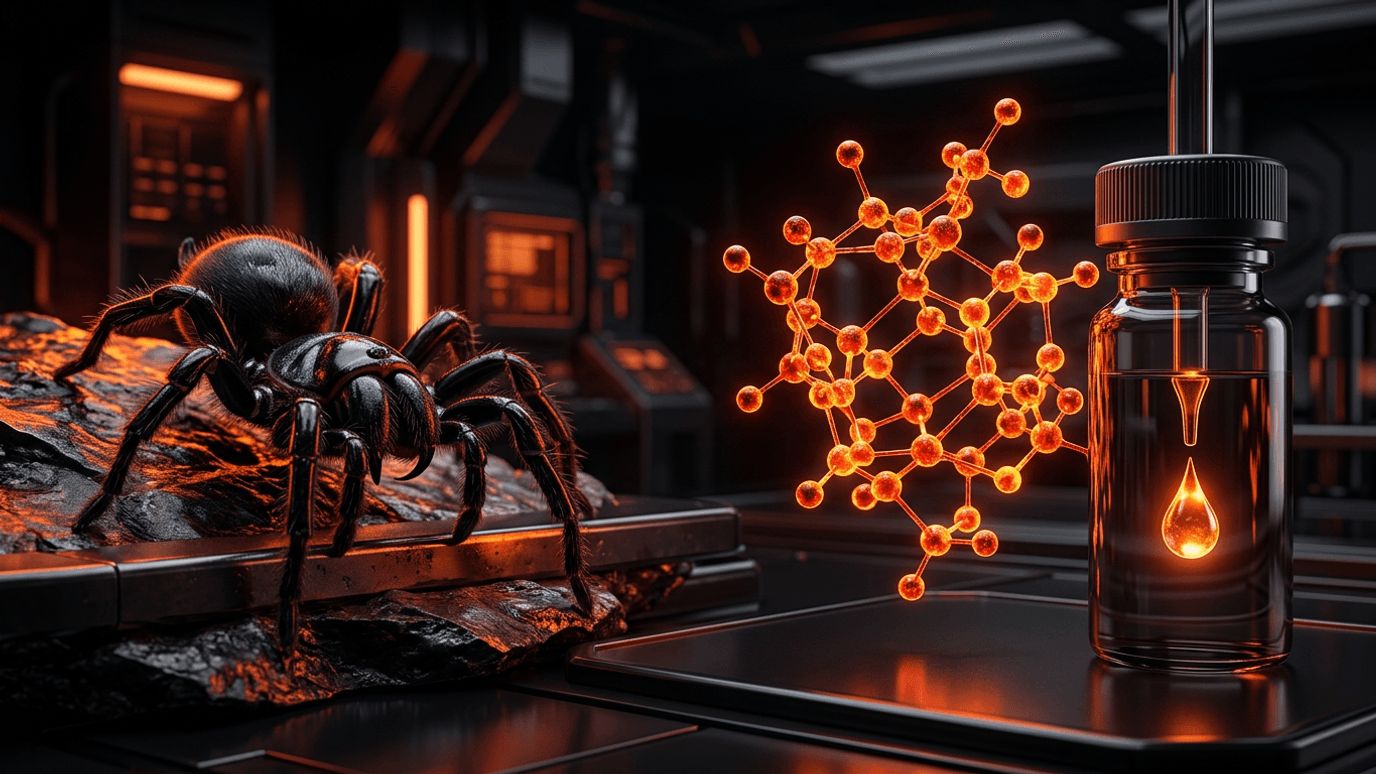
The Sydney funnel-web spider has a fearsome reputation as one of the most dangerous spiders in the world. Found in and around Sydney, Australia, this glossy black arachnid has been the subject of scientific study for decades, largely because of its remarkably potent venom. So, what type of venom does the Sydney funnel web have? Its venom is a complex neurotoxic mixture, and its most dangerous component is a peptide called delta-atracotoxin, which attacks the nervous system. This article explores what the venom contains, how it affects the human body, why males are more dangerous, and how antivenom and modern research have changed the story.
How AAMAX.CO Helps Science and Wildlife Organizations Share Knowledge Online
Research institutions, wildlife parks, museums, and educational publishers need websites that present complex scientific information clearly and accurately. AAMAX.CO is a full-service digital marketing company offering web development, digital marketing, and SEO services worldwide. They build fast, accessible, content-rich websites with well-organized knowledge bases, image galleries, and search functionality that make educational topics easy to explore. Their website development services help organizations reach wider audiences and ensure that important safety and science information is easy to find when people search for it.
Meet the Sydney Funnel-Web Spider
The Sydney funnel-web spider, known scientifically as Atrax robustus, lives mainly within roughly a 100 to 160 kilometer radius of Sydney in New South Wales. It is a large, robust spider with a shiny, dark body and powerful fangs. It builds silk-lined burrows in moist, sheltered places such as under rocks, logs, and garden areas, with silk "trip lines" that radiate from the entrance to detect passing prey. The spider gets its common name from the funnel-shaped silk entrance to its burrow.
What Type of Venom Does It Have?
The venom of the Sydney funnel-web is primarily neurotoxic, meaning it targets the nervous system. It is a cocktail of many different molecules, including peptides, enzymes, and other small compounds, but scientists have identified one component as the main threat to humans: delta-atracotoxin, specifically the variant from Atrax robustus known as delta-ACTX-Ar1, which was historically called robustoxin.
Delta-atracotoxin is a small protein made of 42 amino acids, tightly folded and stabilized by several internal chemical bonds. This compact structure makes it highly stable and effective. The venom also contains many other peptides that help the spider subdue insects and other prey, which is the venom's natural purpose.
How the Venom Affects the Nervous System
Nerves send signals using tiny channels in their membranes that open and close to let charged particles flow in and out. Delta-atracotoxin targets voltage-gated sodium channels and slows the process by which they close. As a result, nerves keep firing uncontrollably. This overstimulation affects both the nerves that control muscles and the autonomic nervous system, which controls involuntary functions like heart rate, blood pressure, sweating, and saliva production.
Symptoms of a Funnel-Web Bite
Bites are painful because of the spider's large fangs and acidic venom. In serious cases, symptoms can develop quickly, sometimes within minutes. They may include:
- Tingling around the mouth and numbness
- Muscle twitching and spasms
- Heavy sweating, drooling, and watery eyes
- Nausea, vomiting, and abdominal pain
- Rapid heart rate and high blood pressure
- Difficulty breathing and fluid in the lungs
- Confusion and, in severe cases, unconsciousness
Without treatment, severe envenomation can be life-threatening. Not every bite results in serious envenomation, but every suspected bite should be treated as a medical emergency.
Why Male Spiders Are More Dangerous
Interestingly, the most serious recorded cases of envenomation have been linked to male Sydney funnel-webs. Males leave their burrows during the warmer months to search for females, which brings them into contact with people in homes, gardens, shoes, and swimming pools. Research has also found that male venom contains higher concentrations of the delta-atracotoxin that is especially harmful to primates.
Why Humans Are Especially Vulnerable
One of the most surprising facts about funnel-web venom is that it is particularly toxic to primates, including humans, while many other mammals, such as dogs, cats, and rabbits, are far less affected. Scientists believe this is partly because those animals have components in their blood that can neutralize the toxin. Since humans are not natural prey or predators of the spider, this extreme sensitivity appears to be an evolutionary coincidence.
The Development of Antivenom
Before an antivenom was available, funnel-web bites caused a number of recorded deaths in Australia. In 1981, a team led by Struan Sutherland at the Commonwealth Serum Laboratories developed an effective antivenom using antibodies raised in rabbits. Since its introduction, no deaths from funnel-web bites have been recorded. The antivenom relies on a steady supply of venom, which is why organizations such as the Australian Reptile Park run programs encouraging the public to safely collect and hand in live funnel-web spiders so they can be "milked" for venom.
First Aid for a Suspected Bite
Australian health authorities recommend the pressure immobilization technique for suspected funnel-web bites. This involves applying a firm elastic bandage over the bite site and along the entire limb, splinting the limb, keeping the person as still as possible, and calling emergency services immediately. This method slows the spread of venom through the lymphatic system until medical treatment and antivenom can be given.
Venom Research and Medical Potential
Funnel-web venom is not only dangerous; it is also scientifically valuable. Researchers study its peptides to understand how nerve channels work and to develop new medicines. A peptide called Hi1a, found in the venom of a related funnel-web species from K'gari (Fraser Island), has shown promise in research for protecting brain and heart cells from damage caused by stroke and heart attack. Other venom components are being studied as potential eco-friendly insecticides.
Conclusion
The Sydney funnel-web spider has a neurotoxic venom whose most dangerous component, delta-atracotoxin, disrupts sodium channels and causes nerves to fire uncontrollably. Males pose the greatest risk, and humans are unusually sensitive to the toxin. Thanks to effective antivenom, proper first aid, and public awareness, fatalities are now a thing of the past. At the same time, this formidable venom continues to inspire research that may one day save lives in entirely new ways.