
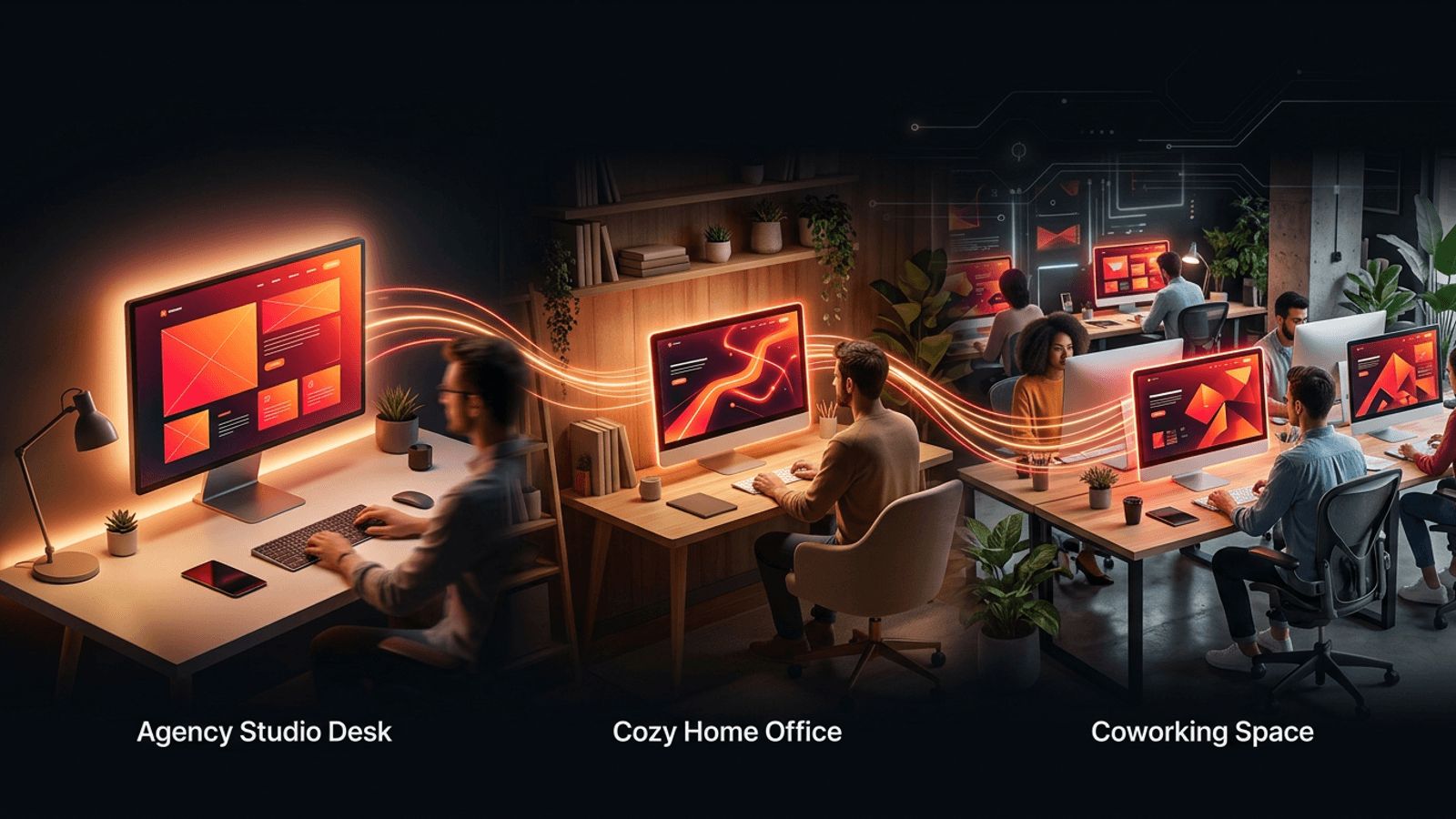
Web design is one of the most flexible careers in the digital economy. Because the work centers on creativity, strategy, and digital tools, web designers can thrive in many different settings, from bustling agency studios to quiet home offices on the other side of the world. If you are considering a career in web design, hiring a designer, or simply curious about how the industry operates, understanding where web designers work reveals a lot about the profession. This article explores the most common workplaces, the pros and cons of each, and the trends shaping where design happens today.
AAMAX.CO: Where Expert Designers Collaborate for Client Success
One of the most dynamic environments for web designers is a full-service agency, where creative and technical experts work side by side. AAMAX.CO is a full-service digital marketing company offering web development, digital marketing, and SEO services worldwide. Their designers collaborate closely with developers, SEO specialists, and marketers to create websites that look exceptional and perform even better. Businesses that choose their website design service benefit from this integrated approach, receiving brand-aligned designs backed by technical expertise and data-driven strategy.
Digital Agencies
Digital and creative agencies are among the most common employers of web designers. Agencies serve multiple clients across various industries, so designers often work on diverse projects, from small business websites to large corporate redesigns. This variety builds skills quickly and creates an impressive portfolio. Designers in agencies typically collaborate with account managers, copywriters, developers, and SEO specialists, gaining exposure to every stage of a project. The pace can be fast, with tight deadlines and multiple projects running at once, but many designers find the creative energy rewarding.
In-House Corporate Teams
Many companies employ web designers directly as part of their marketing, product, or digital teams. In-house designers focus on a single brand, maintaining and improving its website, landing pages, email templates, and digital campaigns. This environment allows designers to develop deep knowledge of the brand, its audience, and its goals. Work tends to be more stable and predictable than agency life, with opportunities to see long-term results from design decisions. Large organizations in retail, finance, healthcare, education, and technology commonly hire in-house design teams.
Technology Companies and Startups
Tech companies and startups hire web designers, often with titles like UI designer or product designer, to shape the interfaces of software products, apps, and SaaS platforms. Designers in these environments work closely with product managers and engineers, conduct user research, and iterate rapidly based on data. Startups offer a chance to influence a product from the ground up and wear many hats, while established tech companies provide structured design systems, mentorship, and specialized roles.
Freelancing and Self-Employment
Freelancing is a popular path for web designers who value independence. Freelancers choose their clients, set their rates, and manage their own schedules. They find work through referrals, freelance marketplaces, social media, and their own websites. Freelancing offers flexibility and the potential for higher earnings, but it also requires business skills such as marketing, contract negotiation, invoicing, and client management. Income can fluctuate, so successful freelancers often build strong networks and recurring client relationships.
Design Studios and Boutique Firms
Smaller boutique studios specialize in particular niches, such as branding, e-commerce, or nonprofit websites. These studios often emphasize craftsmanship and close client relationships. Designers in boutique firms may have more creative freedom and direct client interaction than in larger agencies, while still enjoying the collaboration of a small team.
Remote and Distributed Teams
Remote work has transformed where web designers work. Because design relies on digital tools like Figma, collaboration platforms, and video conferencing, many designers work entirely from home or from anywhere with a reliable internet connection. Agencies, corporations, and startups increasingly hire remote designers across countries and time zones. Remote work offers flexibility, eliminates commuting, and opens global job opportunities, though it requires strong communication and self-discipline.
Coworking Spaces
Many freelancers and remote designers choose coworking spaces to combine independence with community. These shared offices provide professional amenities, networking events, and a social atmosphere that helps prevent the isolation of working alone. Coworking spaces can also be a source of new clients and collaborations.
Government, Education, and Nonprofit Organizations
Public institutions, universities, schools, and nonprofit organizations also employ web designers to maintain websites, create accessible digital services, and support campaigns. These roles often emphasize accessibility, clarity, and public service, offering meaningful work and stable employment.
Skills That Matter in Every Workplace
Regardless of where they work, successful web designers share a core set of skills:
- Strong understanding of layout, typography, color, and visual hierarchy.
- Proficiency with design and prototyping tools.
- Knowledge of user experience principles and accessibility standards.
- Understanding of responsive design and basic front-end technologies.
- Communication and collaboration skills for working with clients and teams.
- Awareness of SEO and conversion best practices.
How to Choose the Right Work Environment
The best environment depends on personal goals and preferences. Designers who crave variety and fast growth may thrive in agencies. Those who prefer depth and stability might choose in-house roles. Entrepreneurs at heart may enjoy freelancing, while product-minded designers may gravitate toward tech companies. Many designers move between environments throughout their careers, gaining a broad perspective that strengthens their work.
Conclusion
Web designers work in agencies, in-house corporate teams, tech companies, startups, boutique studios, coworking spaces, public organizations, and increasingly from remote locations around the world. Each environment offers unique benefits and challenges, from variety and collaboration to independence and flexibility. Understanding these options helps aspiring designers plan their careers and helps businesses decide whether to work with freelancers, in-house staff, or full-service agencies to bring their digital vision to life.