
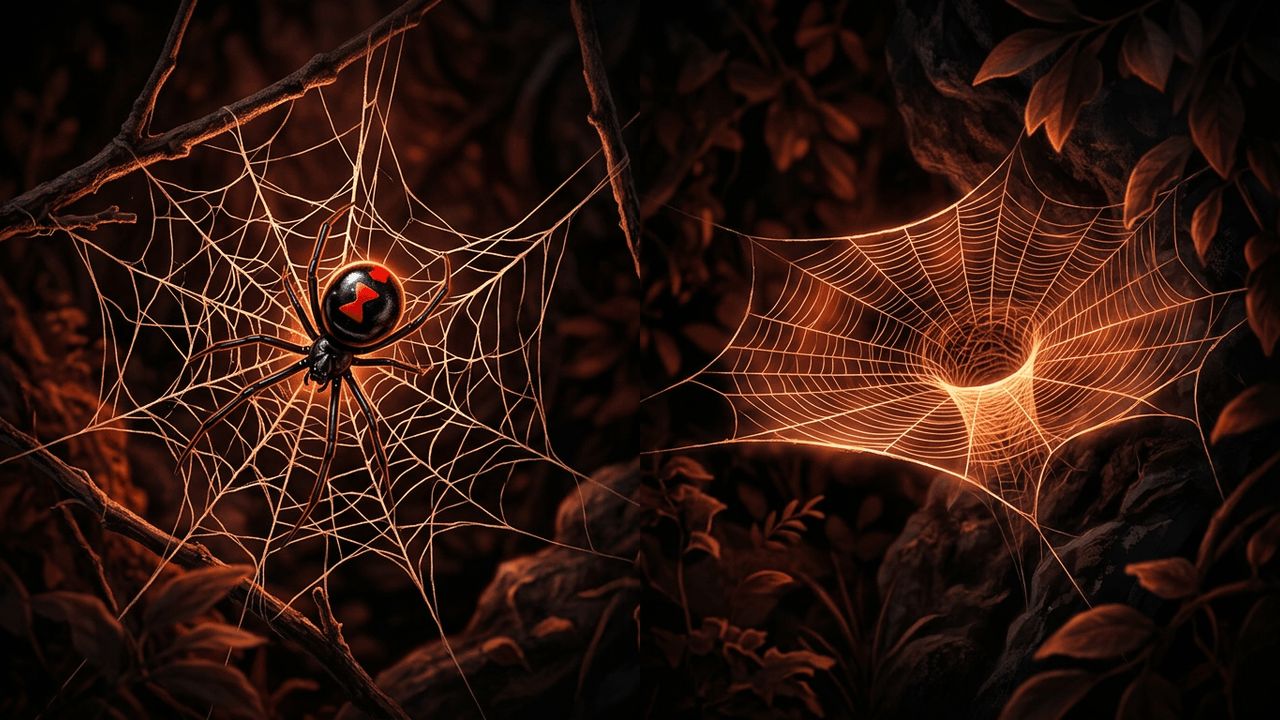
Spider webs come in remarkable shapes and structures, and many people confuse one type with another. A common question is: do black widows make funnel webs? The answer is no. Black widow spiders build irregular, messy-looking webs known as cobwebs or tangle webs, not funnel-shaped webs. Funnel webs are built by entirely different spider families, including funnel weavers and the infamous Australian funnel-web spiders. Understanding these differences can help homeowners identify spiders accurately, stay safe, and respond appropriately. This article explains how black widow webs are built, how they differ from funnel webs, and how to tell the spiders apart.
How AAMAX.CO Helps Nature, Education, and Pest Control Brands Online
Accurate, well-presented information is essential for websites that educate people about wildlife, pests, and safety. AAMAX.CO is a full-service digital marketing company offering web development, digital marketing, and SEO services worldwide. They build fast, search-optimized websites for pest control companies, educational organizations, and nature publishers, helping them reach people searching for answers like this one. With clear layouts, strong content structure, and SEO strategy, they help brands become trusted sources of information.
What Kind of Web Does a Black Widow Build?
Black widows belong to the family Theridiidae, often called cobweb spiders or tangle-web spiders. Their webs look chaotic, a three-dimensional jumble of silk strands without the neat spiral pattern of orb weavers. Despite their messy appearance, these webs are highly engineered. The upper section forms a tangled retreat where the spider hides, while sticky, vertical "gumfoot" threads anchor to the ground under tension. When an insect touches one, the thread breaks free and lifts the prey into the air, where the widow can wrap it in silk.
Black widow silk is among the strongest of all spider silks relative to its weight. People often notice that the webs feel unusually tough and make a crackling sound when broken.
What Is a Funnel Web?
A funnel web consists of a flat or slightly concave sheet of silk that narrows into a tube-shaped retreat, resembling a funnel. The spider waits inside the tube and rushes out when prey lands on the sheet. In North America, funnel webs are commonly built by grass spiders in the family Agelenidae, which are generally harmless to humans. In Australia, funnel-web spiders from the family Atracidae build silk-lined burrows with trip lines radiating from the entrance, and some species are highly venomous.
Key Differences Between Black Widow Webs and Funnel Webs
- Structure: Black widow webs are irregular tangles; funnel webs feature a sheet leading to a tube.
- Location: Black widows prefer dark, sheltered spots like woodpiles, garages, and under outdoor furniture, usually near the ground. Funnel weavers often build in grass, shrubs, or corners of buildings.
- Hunting method: Widows rely on sticky trap lines; funnel weavers rely on speed to ambush prey on the sheet.
- Activity: Black widows often hang upside down in their webs at night, showing the red hourglass on their abdomen.
How to Identify a Black Widow
The female black widow is the most recognizable: a glossy black, round abdomen with a red or orange hourglass marking on the underside. Some species display red spots or stripes on the back as well. Males are smaller, lighter in color, and rarely considered dangerous. Females typically remain in or near their webs, which are usually built close to the ground in undisturbed areas.
Are Black Widows Dangerous?
Black widow venom contains a neurotoxin that can cause muscle pain, cramping, and other symptoms. Bites are rare and usually occur when the spider is accidentally pressed against skin, such as when reaching into gloves or shoes. Serious complications are uncommon, and fatalities are extremely rare with modern medical care. Anyone bitten should clean the area and seek medical attention if symptoms develop.
Preventing Spiders Around Your Home
Reduce clutter in garages, sheds, and basements. Store firewood away from the house, wear gloves when handling stored items, and seal cracks around doors and windows. Regularly clearing webs and reducing outdoor lighting, which attracts insects, makes your home less appealing to spiders. For heavy infestations, professional pest control services provide safe, targeted solutions.
Why Accurate Spider Information Matters Online
When people search for spider identification, they are often anxious and need trustworthy answers fast. Websites that present clear images, well-organized content, and accurate facts earn trust and higher rankings. For pest control companies and educational publishers, investing in professional website design ensures that visitors can quickly find identification guides, safety tips, and service information on any device.
Other Spiders Commonly Confused With Black Widows
Several harmless spiders are frequently mistaken for black widows. False widows, from the genus Steatoda, have a similar rounded shape and build similar tangle webs but lack the bright red hourglass. Brown widows have mottled tan and brown coloring with an orange hourglass and spiky round egg sacs. Grass spiders, the builders of many funnel webs seen on lawns in the morning dew, are slender, brown, and fast-moving. Looking carefully at body shape, markings, and web type usually makes identification straightforward, and a clear photograph can help a professional confirm the species.
Final Thoughts
Black widows do not make funnel webs. They build strong, irregular cobwebs designed to snare crawling insects, while funnel webs belong to grass spiders and Australian funnel-web species. By learning the differences in web structure, spider appearance, and habitat, you can identify spiders confidently, keep your home safer, and separate fact from fear.