
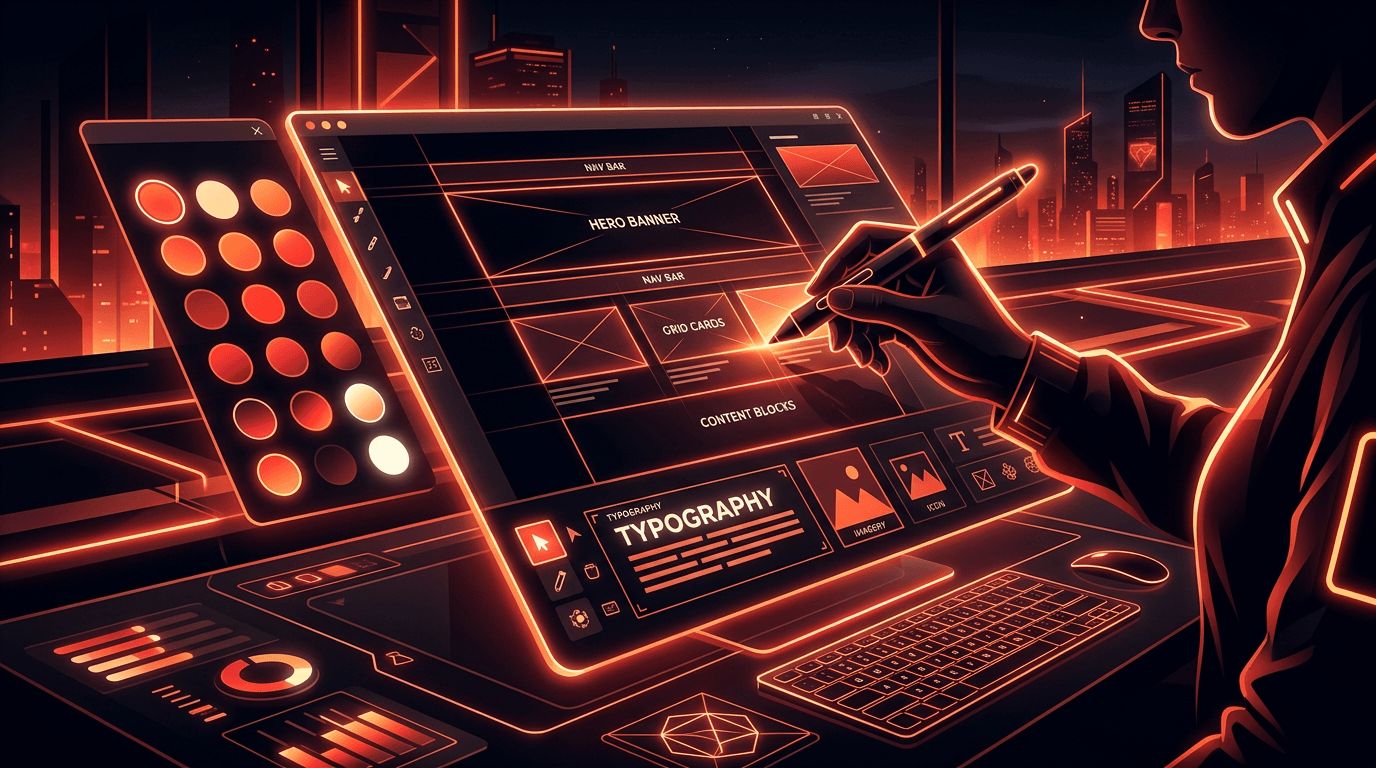
When you land on a website and instantly understand what the company offers, find the information you need, and enjoy the experience, you are experiencing good web design. Web designing is the process of planning, conceptualizing, and arranging the visual and interactive elements of a website. It covers layout, colors, typography, imagery, navigation, and the overall user experience. While web development focuses on building the functionality with code, web design shapes how a website looks, feels, and guides visitors toward their goals. In a competitive digital landscape, web design plays a decisive role in how people perceive and interact with a brand.
How AAMAX.CO Delivers Purpose-Driven Web Design
Effective web design blends creativity with strategy. AAMAX.CO is a full-service digital marketing company that offers web development, digital marketing, and SEO services worldwide. Their designers create visually compelling, user-focused websites that reflect each client's brand and support business objectives. Because they also handle development and SEO, their designs are built to be technically sound, fast-loading, and optimized for search, helping businesses make strong first impressions and convert visitors into customers.
Understanding Web Designing
Web designing involves both aesthetics and usability. A designer considers who the target audience is, what actions the business wants visitors to take, and how content should be organized to support those actions. The process typically produces sitemaps, wireframes, mockups, interactive prototypes, and design systems that developers use to build the final website.
Web design encompasses several related disciplines, including user experience (UX) design, which focuses on how easy and satisfying a site is to use; user interface (UI) design, which focuses on the visual elements users interact with; and visual design, which focuses on branding, color, typography, and imagery.
Key Elements of Web Design
Layout
The layout determines how content is arranged on the page. Good layouts use grids, alignment, and white space to create a clear visual hierarchy so visitors can scan and understand information quickly.
Color
Colors convey emotion and reinforce brand identity. Designers choose palettes that are visually appealing, consistent, and accessible, ensuring sufficient contrast for readability.
Typography
Fonts influence readability and personality. Designers select typefaces, sizes, line heights, and spacing that make content easy to read across devices.
Imagery and Graphics
Photos, illustrations, icons, and videos communicate ideas quickly and add visual interest. High-quality, relevant visuals build trust and engagement.
Navigation
Clear navigation helps visitors find what they need. Menus, breadcrumbs, search features, and internal links should be intuitive and consistent.
Content Hierarchy
Headlines, subheadings, and calls to action guide users through a page in a logical order, emphasizing the most important messages.
Responsiveness
Modern web design ensures layouts adapt seamlessly to desktops, tablets, and smartphones.
Accessibility
Inclusive design ensures people with disabilities can use the website, through features like readable contrast, keyboard navigation, and descriptive alt text.
The Web Design Process
- Research and discovery: Understanding the business, audience, competitors, and goals.
- Information architecture: Organizing content and creating a sitemap.
- Wireframing: Sketching basic page layouts without visual styling.
- Visual design: Applying branding, color, typography, and imagery to create high-fidelity mockups.
- Prototyping: Building clickable prototypes to test interactions and flows.
- Usability testing: Gathering feedback from real users and refining the design.
- Handoff: Delivering design files, specifications, and assets to developers.
Web Design vs. Web Development
Although closely related, web design and web development are distinct. Web design focuses on the visual and experiential aspects, answering questions like how the site should look and how users should move through it. Web development turns those designs into a functioning website using code such as HTML, CSS, and JavaScript, along with back-end technologies for databases and business logic. Successful projects require close collaboration between both disciplines. Professional website design lays the groundwork, while expert website development brings it to life.
Types of Web Design Approaches
- Responsive design: Fluid layouts that adapt to any screen size.
- Adaptive design: Multiple fixed layouts tailored to specific devices.
- Minimalist design: Clean layouts with generous white space and focused content.
- Flat and material design: Simple visual styles using clean shapes, subtle depth, and bold colors.
- Interactive and motion design: Animations and micro-interactions that enhance engagement.
Why Web Design Matters for Businesses
First impressions form quickly online, and visitors often judge a company's credibility based on its website design. A professional design builds trust, communicates value, and differentiates a brand from competitors. Good design also improves usability, which reduces bounce rates and increases conversions. Furthermore, design decisions affect SEO, because search engines reward fast, mobile-friendly, and well-structured websites.
Popular Web Design Tools
Designers use tools such as Figma, Adobe XD, Sketch, and Adobe Photoshop or Illustrator to create layouts, prototypes, and graphics. Design systems and component libraries help maintain consistency across large websites and applications, including complex web application development projects where many screens must share a unified look.
Qualities of a Well-Designed Website
- Clear purpose and messaging above the fold.
- Consistent branding throughout every page.
- Intuitive navigation and logical structure.
- Fast load times and optimized assets.
- Mobile-friendly, responsive layouts.
- Accessible design for all users.
- Strong, visible calls to action.
Conclusion
Web designing is the art and science of planning how a website looks, feels, and functions for its users. It involves layout, color, typography, imagery, navigation, accessibility, and user experience, all working together to support business goals. A thoughtfully designed website builds trust, engages visitors, and drives conversions, making web design one of the most valuable investments a business can make in its digital presence.