
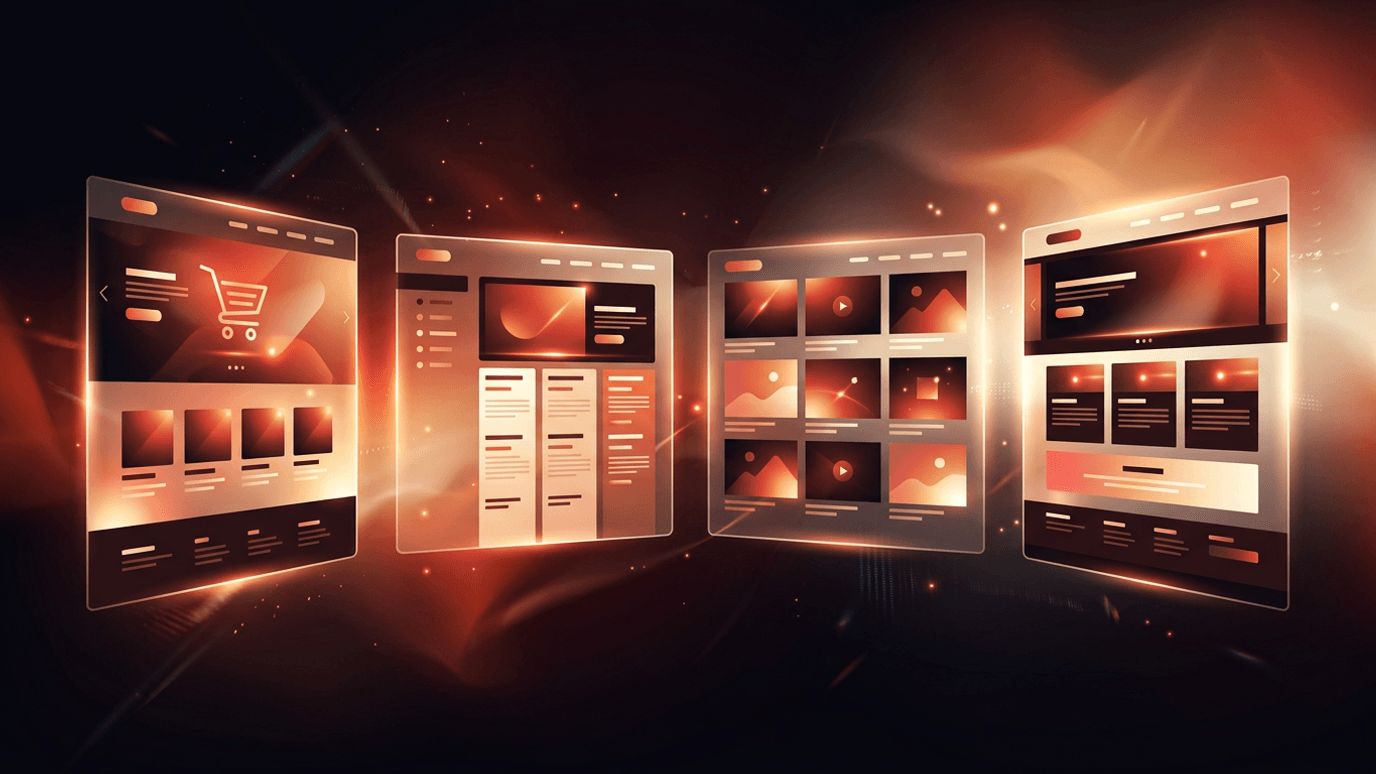
The word "website" covers a huge range of things, from a one-page portfolio to a global online marketplace with millions of products. If you are planning your own site, looking at real examples is one of the best ways to understand what is possible and what might suit your goals. So, what is a website example? Simply put, it is any specific site that shows a type of website in action, such as an online store, a blog, or a company website. This article walks through the most common types of websites, gives examples of each, and explains what makes them effective.
How AAMAX.CO Creates Websites for Every Purpose
Every type of website has its own requirements, and building each one well takes experience. AAMAX.CO is a full-service digital marketing company providing web development, digital marketing, and SEO services worldwide. They design and build business websites, e-commerce stores, portfolios, blogs, landing pages, and custom platforms tailored to each client's industry and audience. Their website design services combine strong visuals with clear user journeys, so whatever type of site a business needs, the result is engaging, professional, and built to convert.
What Is a Website?
Before looking at examples, it helps to recall the basic definition. A website is a collection of related webpages under one domain name, hosted on a server and available on the internet. Websites share content, provide services, sell products, or help people connect. Their structure, features, and design depend heavily on their purpose.
Business and Corporate Websites
A business website is the online home of a company. It typically includes a homepage, an about page, services or product pages, testimonials, and contact information. Examples include the websites of law firms, dental clinics, accounting practices, construction companies, and large corporations. A good business website builds trust, explains what the company does, and makes it easy for potential customers to get in touch or request a quote.
E-Commerce Websites
E-commerce websites let customers browse products, add them to a cart, and pay online. Major examples include large online marketplaces and retail brand stores, but countless small businesses also run online shops selling clothing, handmade goods, electronics, and food. Key features include product listings, search and filters, secure checkout, payment processing, order tracking, and customer accounts. Fast loading, clear product photos, and a smooth checkout are essential for success.
Blogs and Content Websites
Blogs publish articles on a regular basis, often focused on a specific topic like travel, cooking, technology, or personal finance. News sites and online magazines are larger content websites with editorial teams. These sites rely on readable layouts, good categorization, search, and strong SEO to attract readers. Many businesses also add blogs to their main websites to share expertise and attract organic traffic.
Portfolio Websites
Portfolio websites showcase the work of creative professionals such as designers, photographers, architects, artists, and developers. They emphasize visuals, usually with galleries, case studies, and a short biography. A strong portfolio site lets the work speak for itself while making it simple for potential clients or employers to make contact.
Educational Websites
Educational websites include online course platforms, university websites, tutoring services, and free learning resources. They may offer video lessons, quizzes, progress tracking, and certificates. Clear organization and accessibility are crucial so learners of all abilities can find and use the content.
Nonprofit and Charity Websites
Nonprofit websites tell an organization's story, explain its mission, and encourage visitors to donate, volunteer, or take action. Strong examples use emotional imagery, impact statistics, simple donation forms, and event calendars to inspire support.
Social Media and Community Websites
Social networks, forums, and community platforms allow users to create profiles, share content, and interact with each other. These are some of the most complex websites to build, requiring user accounts, real-time features, content moderation, and massive scalability.
Web Applications and SaaS Platforms
Some websites function more like software. Online banking portals, project management tools, email clients, booking systems, and design tools are all web applications. Software-as-a-service platforms typically include a marketing website plus a logged-in application where customers use the product.
Landing Pages
A landing page is a single, focused page built for a specific campaign or offer, such as signing up for a webinar, downloading a guide, or buying a limited-time product. Landing pages remove distractions and guide visitors toward one clear action.
Personal Websites
Personal websites help individuals share their story, resume, writing, or projects. They are popular with job seekers, public speakers, authors, and consultants who want a professional online presence beyond social media profiles.
What Great Website Examples Have in Common
- Clear purpose: Visitors immediately understand what the site offers.
- Intuitive navigation: Information is easy to find.
- Responsive design: The site works well on phones, tablets, and desktops.
- Fast performance: Pages load quickly and respond smoothly.
- Strong calls to action: Visitors know what to do next.
- Consistent branding: Colors, fonts, and tone feel unified.
- Accessibility and security: Everyone can use it, and users feel safe sharing information.
How to Use Website Examples for Your Own Project
When planning a website, collect examples from your industry and from businesses you admire. Note which layouts, features, and messages appeal to you, and which frustrate you. Use these examples as inspiration rather than templates to copy. Share them with your designer or developer to communicate your vision, then work together to adapt the best ideas to your unique brand and audience.
Conclusion
A website example is any real site that demonstrates a type of website in action, from business sites and online stores to blogs, portfolios, web apps, and landing pages. Studying these examples shows how purpose shapes structure, design, and features. With a clear understanding of the type of website you need and a few inspiring examples in hand, you are well prepared to plan and build a site that truly serves your goals.